
Small breed dogs look harmless sitting in your lap, but preventing obesity in small breed dogs is one of the most underestimated challenges in pet ownership. A Chihuahua or Shih Tzu doesn’t need much food, which means even a few extra kibbles per meal can quietly push them into overweight territory over weeks and months. This article covers exactly how to feed your small dog precisely, choose the right diet, build a consistent exercise routine, and monitor their body condition before a weight problem becomes a health crisis.
Table of Contents
Key takeaways
| Point | Details |
|---|---|
| Precise portions matter most | Kitchen scales beat measuring cups every time for accurate small-breed feeding. |
| Treats count as calories | Cap treats at 10% of daily calories to avoid unintentional weight gain. |
| Meal frequency protects health | Feed 2-3 measured meals per day instead of free feeding. |
| Diet quality drives results | High-protein, nutrient-dense food supports lean muscle and a healthy metabolism. |
| Monitor body condition monthly | Use the Body Condition Score system to catch weight changes early. |
Why small breed dogs are prone to obesity
Most people assume small dogs burn through calories quickly and can eat freely. The reality is more complicated. Small dogs do have faster metabolisms relative to their body size, but they also have a much narrower caloric margin than larger breeds. That means the gap between the right amount of food and too much food is razor thin.
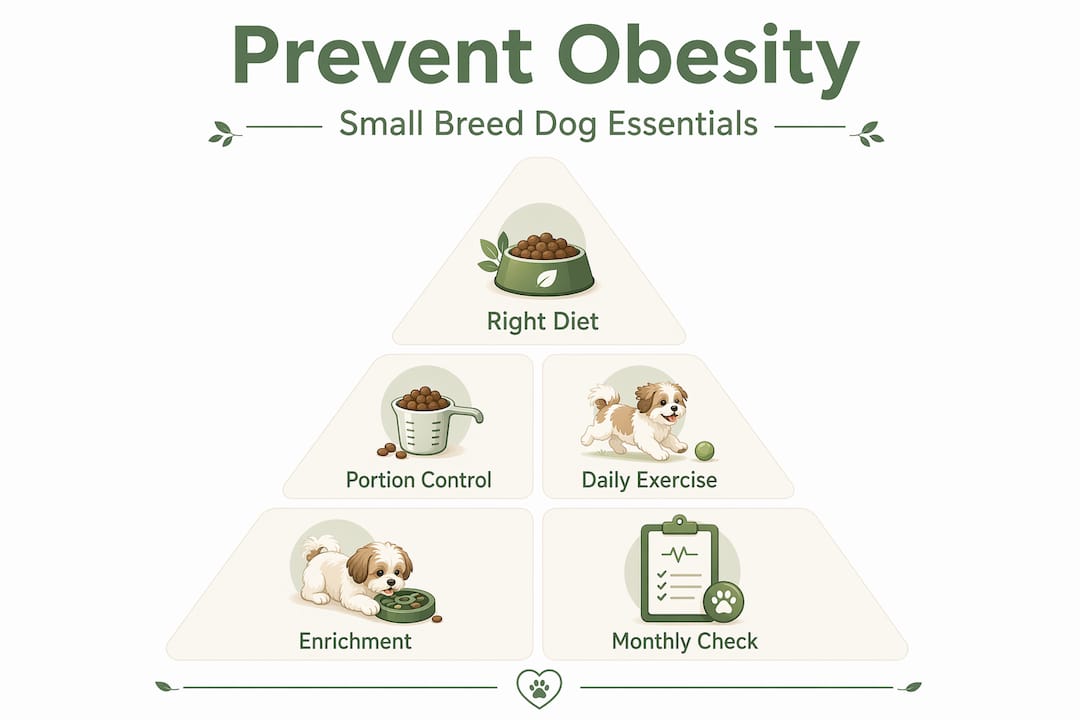
Here’s what that looks like in practice. A 10-pound Pomeranian might need only 300 to 350 calories per day. Adding just 50 extra calories daily, which is less than a single commercial dog treat, can translate to nearly a pound of fat gained over a few months. At 10 pounds, that’s a 10% increase in body weight from one small daily mistake.
Several factors compound this problem:
-
Breed predispositions: Dachshunds, Pugs, Beagles, and Cocker Spaniels are genetically more prone to weight gain than other small breeds.
-
Neutering: Spayed and neutered dogs have lower resting energy needs, sometimes by 20 to 30%, yet owners rarely adjust their food portions after the procedure.
-
Owner behavior: Small dogs are easy to carry, which means they often get less walking than they need. They’re also easier to overfeed because their small size makes extra food look insignificant.
-
Treat impact: A single standard treat can represent 5 to 10% of a small dog’s entire daily calorie budget.
Understanding these factors is the foundation of any effective weight management plan for small dogs.
Meal planning and portion control
Getting portions right is the single most impactful thing you can do for your small dog’s weight. Here’s a practical approach to building a feeding routine that works.
-
Weigh food on a kitchen scale. Measuring cups introduce a 10 to 20% variance in calories per serving. For a small dog eating 300 calories a day, that variance could mean 30 to 60 extra calories per meal. Over time, that’s significant weight gain from what looks like a normal portion.
-
Feed 2 to 3 meals per day. Splitting daily food into smaller meals supports stable energy and reduces begging. Dogs under 12 lbs or with a history of hypoglycemia specifically benefit from 3 smaller meals per day to maintain stable blood glucose.
-
Set a firm treat budget. Treats should make up no more than 10% of your dog’s total daily caloric intake. For a 15-pound dog eating 600 calories per day, that’s roughly 60 calories from treats. Two small commercial treats can hit that ceiling fast.If you use treats for training choose low-calorie options designed for frequent rewards to avoid unintentionally exceeding your dog's daily calorie allowance. Small treats may seem insignificant, but they can quickly add up and contribute to unwanted weight gain in small breed dogs.
-
Track treats the same way you track meals. Keep a small notepad or use your phone to log every treat given throughout the day. It sounds tedious, but most owners are genuinely surprised how quickly treats add up.
-
Eliminate free feeding entirely. Leaving food out all day removes your ability to control how to control dog weight with any accuracy. Structured mealtimes give you data, and data gives you control.
Pro Tip: Set your dog’s daily food portion in the morning using a kitchen scale, then divide it into the day’s meals. This way you never accidentally double-feed, and you always know exactly what your dog has eaten.
Here’s a quick reference for daily calorie ranges by weight:
| Dog weight | Approximate daily calories (neutered adult) |
|---|---|
| 5 lbs | 180–210 kcal |
| 10 lbs | 295–340 kcal |
| 15 lbs | 390–450 kcal |
| 20 lbs | 480–550 kcal |
These are general estimates. Your vet or a tool like Bowlful’s RER-based calculator can give you a number tailored to your specific dog.
Choosing the right diet for small breeds
Not all dog food is created equal, and small breed dog nutrition requires specific attention to ingredient quality and caloric density. A food that works fine for a Labrador can quietly pack weight onto a Maltese.
When evaluating food for your small dog, look for these qualities:
-
High protein content from whole sources. Nutrient-dense, high-protein diets support lean muscle mass and keep metabolism functioning well. Look for named proteins like chicken, turkey, or salmon listed as the first ingredient, not meat by-products or meals.
-
Small-breed-specific kibble size. Smaller kibble pieces encourage proper chewing, which supports digestion and slows eating. Dogs that eat too fast tend to overeat before their brain registers fullness.
-
Minimal fillers. Corn syrup, wheat gluten, and excessive starch add calories without nutritional payoff. They also cause blood sugar spikes that drive hunger cycles, making your dog beg more.
-
Low-calorie vegetable additions. Adding a small amount of steamed green beans, carrots, or zucchini to meals increases volume without adding significant calories. This is especially useful when reducing portions during a weight loss phase.
-
Fresh water at all times. Hydration supports digestion and can reduce the sensation of hunger between meals.
Prioritizing whole-food ingredients with balanced macros is one of the most effective long-term strategies for maintaining a healthy diet in small breed dogs. Cheap food often costs more in vet bills later.
Exercise and enrichment for weight control
Exercise is not optional for small dogs, even though it’s tempting to skip walks when your dog is tiny and seems content indoors. Daily walks and mental enrichment both contribute to cardiovascular health and healthy weight maintenance.
Here are exercise tips for small dogs that actually work:
-
Two short walks per day beats one long one. Small dogs tire faster and can overheat more quickly than larger breeds. Two 15-minute walks are often more sustainable and effective than a single 30-minute session.
-
Add interval bursts. Alternating between a normal walk pace and a short faster-paced stretch burns more calories and keeps your dog mentally engaged. Even 30-second bursts of brisk movement make a difference over time.
-
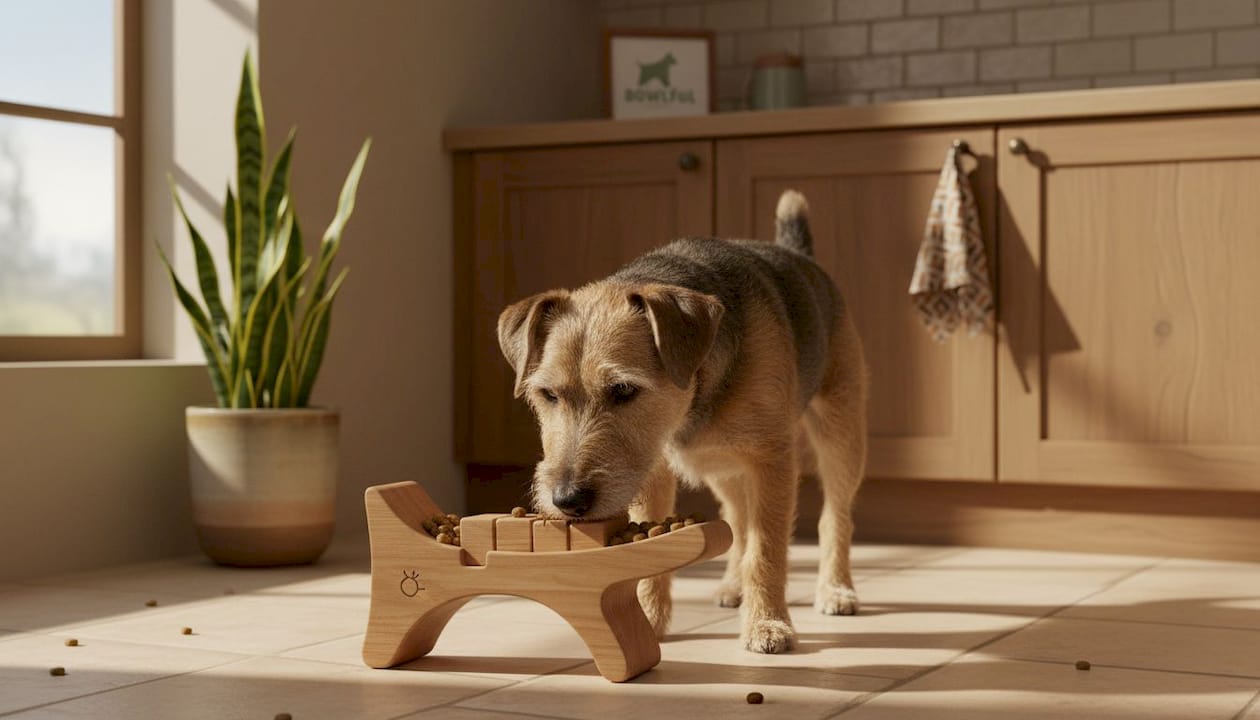
Use puzzle feeders and snuffle mats. Interactive feeding toys slow eating, reduce begging behavior, and provide mental stimulation that burns energy without physical strain. This is especially useful for dogs with joint issues. A slow feeder bowl can help reduce gulping and extend mealtime, making your dog feel more satisfied while consuming the same amount of food.
-
Rotate toys and games. Dogs get bored with the same enrichment. Rotating toys or introducing new games keeps activity levels higher throughout the day.
Pro Tip: Use part of your dog’s measured daily food portion inside a puzzle feeder instead of a bowl. Your dog works for the food, eats slower, and gets mental stimulation. It’s the same calories with far more benefit.
Begging is often a habit rather than genuine hunger. Structured feeding schedules combined with puzzle feeders break that cycle more effectively than willpower alone.
Monitoring your dog’s body condition
Weighing your dog once a month and tracking the number is a good start, but it’s not the full picture. The Body Condition Score (BCS) system gives you a more accurate read on whether your dog is at a healthy weight, regardless of the number on the scale.
A digital pet scale allows owners to monitor subtle weight changes before they become a significant health concern. Regular weigh-ins can help you spot trends early and make small adjustments to your dog's diet or activity level before excess weight becomes harder to manage.
The BCS runs from 1 to 9. A score of 4 to 5 is ideal. At that score, you can feel your dog’s ribs easily without pressing hard, see a visible waist from above, and notice a slight abdominal tuck from the side. A score of 6 or 7 means ribs are harder to feel and the waist is less defined. A score of 8 or 9 indicates significant obesity.
| BCS score | What it means | Action needed |
|---|---|---|
| 1–3 | Underweight | Increase calories, consult vet |
| 4–5 | Ideal weight | Maintain current plan |
| 6–7 | Overweight | Reduce calories by 10–15% |
| 8–9 | Obese | Vet-supervised weight loss plan |
A safe rate of weight loss for dogs is 3 to 5% of total body weight per month. Faster than that risks muscle loss and rebound weight gain.
If your dog hits a plateau after several months of dieting, don’t just cut more calories. Switching food formulation, such as moving from dry to wet food or adjusting fiber and protein ratios, often restarts progress without creating nutritional gaps. Schedule a vet check-in every 3 months during any active weight management period.
My honest take on small dog weight management
I’ve seen owners do everything right on paper and still struggle. The truth is, the hardest part of weight management for small dogs isn’t knowledge. It’s consistency under social pressure.
In my experience, the biggest obstacle is the people in the household who aren’t on the same page. One family member measuring food precisely while another slips the dog table scraps twice a day is a recipe for failure. I’ve found that making the feeding plan visible, literally writing it on a whiteboard in the kitchen, reduces those slip-ups dramatically.
What I’ve also learned is that owners underestimate how fast small dogs adapt to structured routines. Within two to three weeks of consistent mealtimes and no free feeding, most dogs stop begging as aggressively. The begging feels urgent and relentless at first, but it fades when the dog learns the schedule.
My real-world tip: weigh your dog on the same scale, at the same time of day, every two weeks. Don’t wait for a vet visit to catch a problem. Early detection means a small correction, not a major intervention. And if you’re unsure whether your dog’s current food is actually calibrated to their needs, that’s worth investigating before the scale tells you something you don’t want to hear.
— Robert
Let Bowlful take the guesswork out of feeding
Knowing the principles of small breed nutrition is one thing. Applying them precisely to your specific dog is another challenge entirely.
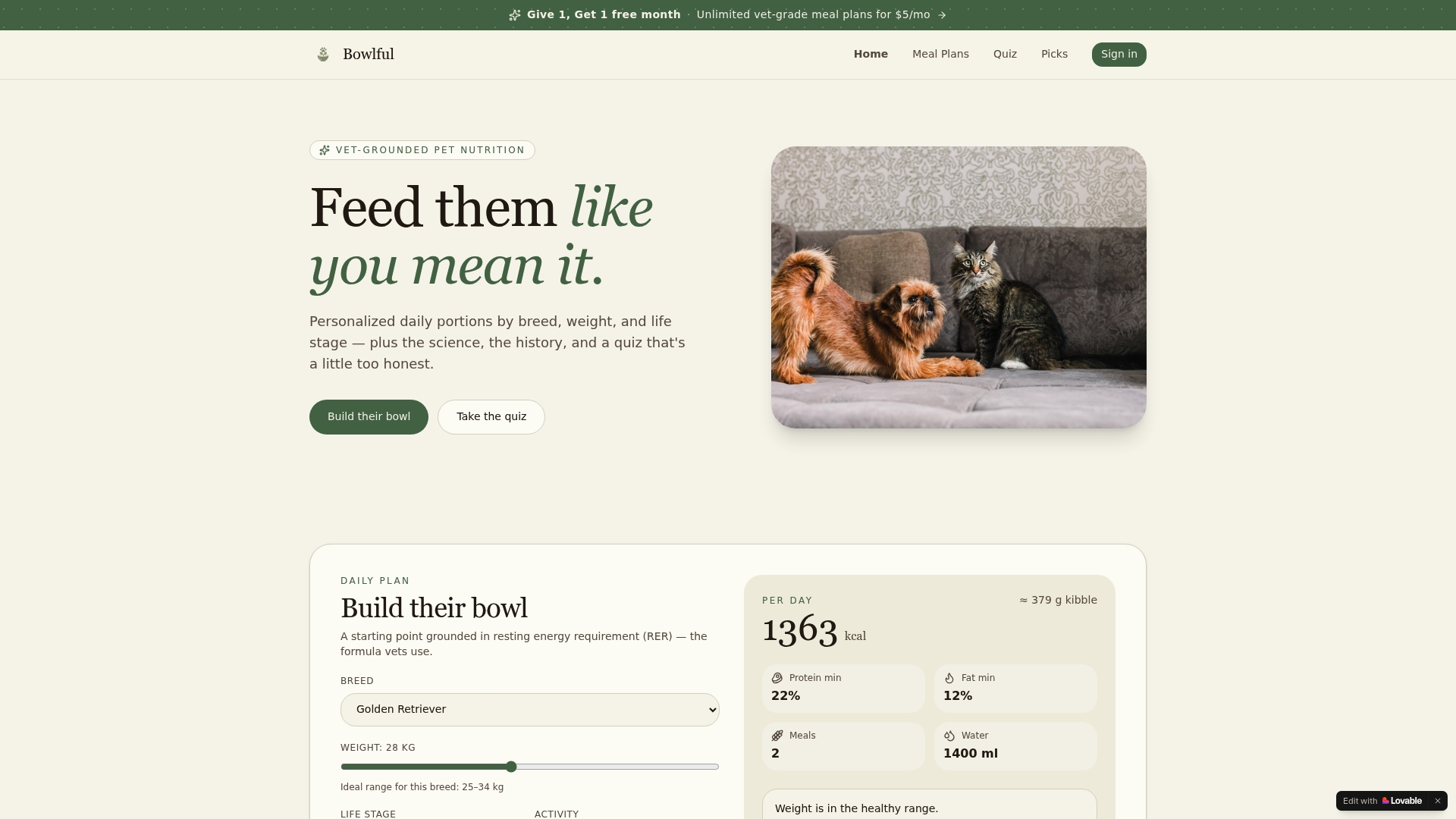
Bowlful builds personalized daily feeding plans using the same RER formula veterinarians rely on, calibrated to your dog’s breed, current weight, and life stage. Instead of guessing at portion sizes or relying on the generic feeding chart on the back of a kibble bag, you get a tailored nutrition plan built around your dog’s actual needs. For small breed owners serious about preventing obesity, that kind of precision isn’t a luxury. It’s the difference between maintaining a healthy weight and spending years trying to fix one.
FAQ
Why are small dogs more prone to weight gain?
Small dogs have a narrow caloric margin, meaning even minor daily overfeeding adds up quickly. A single extra treat can represent 5 to 10% of their daily calorie budget.
How many times a day should I feed my small breed dog?
Feed your small dog 2 to 3 measured meals per day. Dogs under 12 lbs or with a history of hypoglycemia do best with 3 smaller meals to keep blood sugar stable.
How do I know if my small dog is overweight?
Use the Body Condition Score system. At an ideal weight, you should feel your dog’s ribs easily, see a visible waist from above, and notice a slight tuck behind the ribs from the side.
What’s the safest rate of weight loss for a small dog?
A safe rate is 3 to 5% of total body weight per month. Losing weight faster than that risks muscle loss and rebound weight gain.
Can exercise alone prevent obesity in small dogs?
Exercise helps, but diet control is the primary driver of weight management in small dogs. Combining daily walks, puzzle feeders, and precise portion control gives you the best results.