
When a pet is seriously ill or nearing the end of life, food becomes something far more meaningful than fuel. Understanding what is palliative nutrition for pets means recognizing that the goal shifts from optimizing health to maximizing comfort. It’s not about curing disease. It’s about making every meal count in terms of quality of life, symptom relief, and emotional connection. This guide walks you through the core principles, practical feeding strategies, and real-world adjustments that help you support your pet through one of the hardest seasons of their life.
Table of Contents
Key Takeaways
| Point | Details |
|---|---|
| Comfort over cure | Palliative nutrition prioritizes symptom relief and quality of life, not disease reversal. |
| Diet changes by condition | Heart disease, kidney disease, and diabetes each require specific dietary modifications to manage symptoms. |
| Appetite support matters early | Addressing caloric deficits and muscle loss early in illness is more effective than late-stage intervention. |
| Feeding strategies evolve | As your pet’s condition changes, feeding methods and food choices must be reassessed regularly. |
| Veterinary guidance is non-negotiable | Palliative nutrition works best as part of a coordinated care plan with your veterinarian. |
What is palliative nutrition for pets
Most people assume palliative nutrition is simply about keeping a sick pet eating. That’s part of it, but the real picture is more nuanced. Palliative nutrition focuses on immediate symptom relief, appetite support, and quality of life enhancement rather than curing the underlying disease. It can run alongside ongoing medical treatments like chemotherapy or heart medication at any stage of illness.
The key distinction from standard feeding is intent. Everyday nutrition asks: what does my pet need to thrive? Palliative nutrition asks: what does my pet need to feel as good as possible right now? That shift in framing changes everything, from the foods you choose to how and when you offer them.
Palliative nutrition is also not a fixed plan. It’s a dynamic process that evolves as your pet’s condition, appetite, and preferences change. What works in month one may not work in month three. Flexibility is built into the approach by design.
-
Comfort and symptom relief are the primary objectives, not nutritional perfection
-
Individualized care matters because no two pets experience illness the same way
-
Veterinary collaboration keeps nutritional choices aligned with medical treatment goals
-
Quality-of-life assessment helps you and your vet know when the current approach is working
Pro Tip: Ask your vet to complete a formal quality-of-life assessment at each visit. These structured evaluations help you track changes in appetite, mobility, and pain over time, giving you concrete data to guide nutrition decisions rather than relying on guesswork.
Diet modifications by condition
Not all sick pets need the same diet. The specific illness your pet is managing shapes every nutritional decision. Adjusting diet can potentially slow disease progression and relieve symptoms in senior pets with chronic conditions, even when it cannot reverse the underlying problem.
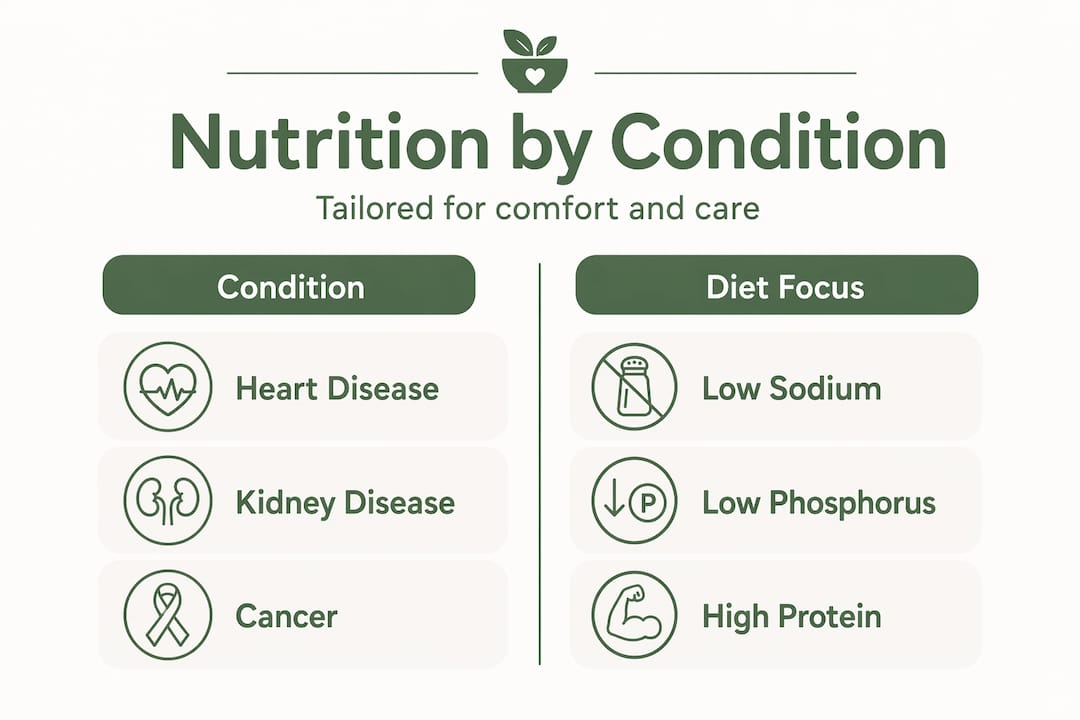
Here’s how dietary strategy shifts based on common palliative conditions:
| Condition | Dietary Focus | What to Avoid |
|---|---|---|
| Heart disease | Low-sodium foods to reduce fluid retention | High-salt treats, processed meats |
| Kidney disease | Low-protein, low-phosphorus diet | High-protein kibble, dairy, organ meats |
| Diabetes | High-fiber, low-carbohydrate meals | Sugary foods, high-starch grains |
| Cancer | Highly palatable, calorie-dense foods | Foods that trigger nausea or GI upset |
| Liver disease | Moderate protein, easily digestible sources | Red meat, fatty foods |
For pets dealing with appetite loss, which is one of the most distressing signs your pet needs palliative care, the priority shifts toward palatability over nutritional precision. Appetite stimulants, anti-nausea medications, and easy-to-digest foods are commonly recommended to encourage intake in pets with anorexia.
A few additional considerations worth knowing:
-
Wet food is often better tolerated than dry kibble for pets with nausea, dental pain, or reduced thirst
-
Small, frequent meals reduce digestive stress better than one or two large portions
-
Food for pets with cancer should be calorie-dense because cancer-related weight loss is aggressive and hard to reverse once it starts. Veterinarians may also recommend calorie-dense nutritional supplements or recovery foods to help maintain body weight during treatment.
-
Severe anorexia lasting three or more days requires veterinary intervention to prevent muscle wasting and immune impairment
Practical feeding techniques at home
Knowing what to feed is only half the challenge. How you feed your pet matters just as much, especially when appetite is unreliable and every meal feels like a negotiation.
-
Warm the food slightly. Heating wet food to just below body temperature releases aroma, which is one of the strongest appetite triggers for both dogs and cats. Even a few seconds in the microwave can make a meaningful difference.
-
Try hand feeding. Physical contact during meals reduces anxiety and makes eating feel safe. Many palliative pets eat more when fed by hand than when left alone with a bowl.
-
Rotate flavors and textures. Pets on long-term illness diets often develop food aversions. Offering small amounts of different protein sources or textures keeps meals from becoming associated with nausea or discomfort.
-
Create a calm feeding environment. Reduce noise, separate from other pets, and feed in a familiar spot. Stress suppresses appetite, and a quiet setting helps your pet focus on eating.
-
Consider syringe feeding for short-term gaps. If your pet refuses food for a day or two, a vet-approved liquid diet delivered by syringe can maintain caloric intake without force-feeding.
-
Ask about feeding tubes for prolonged anorexia. Feeding tubes can be placed safely in general practice to support pets with prolonged anorexia, allowing home care and avoiding hospitalization. Nasogastric, esophagostomy, and gastrostomy tubes are all options your vet can discuss based on your pet’s condition.
Pro Tip: Behavioral and environmental strategies like warming food and hand feeding are often more effective than supplements alone in overcoming appetite barriers. Before adding another product to your pet’s regimen, try adjusting the feeding environment first.
One thing owners often miss: early caloric intervention is more effective than trying to reverse late-stage malnutrition. If your pet is eating 70% of their normal intake, that’s the time to act, not when they’ve dropped to 30%.
Monitoring and adjusting as your pet changes
Palliative nutrition is not a set-it-and-forget-it plan. Regular quality-of-life assessments using standardized scales help evaluate mobility, appetite, and pain to guide nutrition adjustments over time.
Watch for these signs that your current feeding approach needs to change:
-
Consistent refusal of previously accepted foods, which may signal nausea, pain during eating, or disease progression
-
Visible weight loss or muscle wasting despite adequate caloric intake, which suggests the body is no longer absorbing nutrients effectively
-
Changes in water intake, particularly increases in kidney or diabetic patients, which can affect how food is processed
-
New behavioral cues around mealtime, like hiding, vocalizing, or walking away mid-meal, which often indicate discomfort rather than lack of hunger
-
Loose stools or vomiting after meals, which may mean the current food choice is no longer well-tolerated
At some point in palliative care, the goal shifts from maintaining body condition to simply providing comfort and enjoyment. Indulging preferences within reason is acceptable if it brings comfort and avoids additional pain or nausea. If your dog has always loved a particular treat and it doesn’t worsen their condition, there’s real value in offering it. Strict nutritional rules matter far less at this stage than your pet’s experience of each day.
Common concerns about palliative nutrition

Pet owners navigating palliative nutrition often carry a heavy mix of practical questions and emotional weight. Here are the concerns that come up most often.
“Is this going to be expensive?” Palliative nutrition doesn’t have to mean specialty prescription diets for every meal. Many adjustments, like warming food, feeding smaller portions more frequently, or switching to a higher-quality wet food, cost little to nothing extra. Prescription diets are sometimes necessary, but your vet can help you find options that fit your budget.
“What medications are typically involved?” Appetite stimulants like mirtazapine for cats and capromorelin for dogs are commonly prescribed. Anti-nausea medications such as maropitant (Cerenia) are also frequently used to make eating more comfortable. These are not permanent fixes, but they can meaningfully improve intake during difficult periods.
“Does nutrition really make a difference in terminal illness?” Yes, and the evidence is clear. Nutritional support for sick pets reduces muscle wasting, supports immune function, and improves energy levels even when the underlying disease cannot be stopped.
Supportive comfort measures like soft orthopedic beddingand low-stress feeding environments can also make daily routines easier for seriously ill pets. The goal is not to extend life artificially. It’s to make the life your pet has as comfortable as possible.
“How do I handle the emotional side of feeding a dying pet?” This is real and it’s hard. Many owners feel guilt when their pet won’t eat, as if they’ve failed. You haven’t. Appetite loss is a natural part of serious illness. Your job is to offer comfort, try different approaches, and follow your vet’s guidance. The act of trying is itself an act of love.
My take on palliative nutrition after years of watching pets age
I’ve spent years watching how nutrition plays out in the final chapters of a pet’s life, and the thing that surprises most owners is how much the small things matter. Not the prescription diet or the supplement protocol. The small things. Warming the food. Sitting with your pet while they eat. Offering a bite of something they actually enjoy.
What I’ve found is that owners often wait too long to start thinking about palliative nutrition. They treat it as a last resort rather than a proactive tool. By the time they’re asking how to feed a dying pet, they’ve already missed weeks of opportunity to preserve muscle mass and keep their pet stronger for longer.
The other thing I’ve learned is that flexibility beats perfection every time. I’ve seen pets in late-stage kidney disease refuse their prescription food entirely and thrive for weeks on small amounts of something more palatable. The vet and the owner worked together to find the middle ground between medical ideal and what the pet would actually eat. That balance is where palliative nutrition lives.
My honest advice: start the conversation with your vet earlier than you think you need to. Don’t wait for a crisis. Nutrition is one of the few things you can actively manage, and getting ahead of it makes a real difference in how your pet feels day to day.
— Robert
How Bowlful can support your pet’s nutritional needs
Caring for a sick or aging pet means every feeding decision carries more weight. Bowlful was built for exactly this kind of thoughtful, personalized approach to pet nutrition.
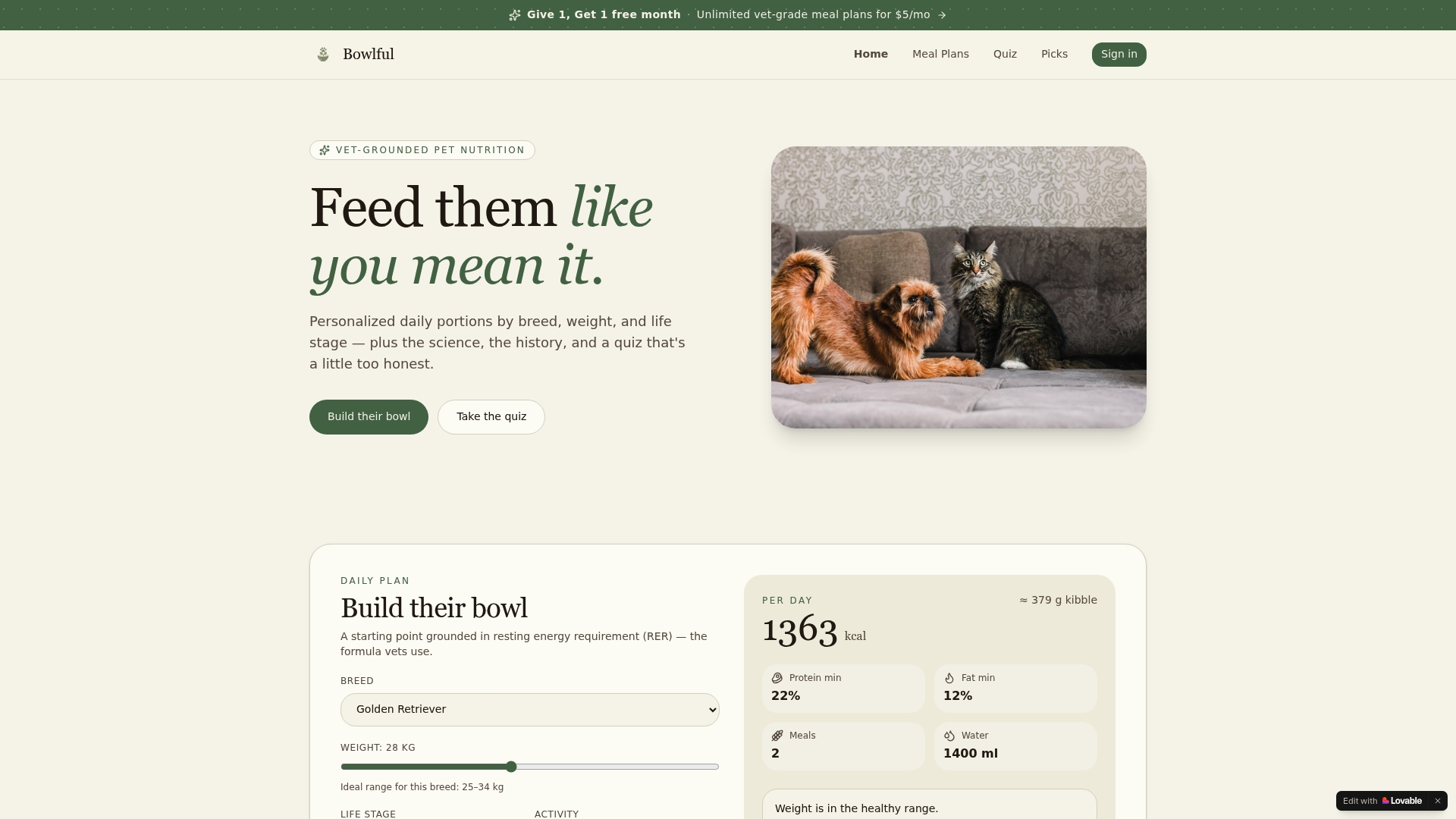
Bowlful uses the same RER formula that veterinarians rely on to calculate your pet’s precise caloric needs, then factors in breed, weight, and life stage to build a feeding plan that actually fits your pet’s situation. For pets in palliative care, that specificity matters. Overfeeding stresses compromised organs. Underfeeding accelerates muscle loss. Getting the numbers right is not a luxury. It’s part of the care. Whether you’re managing a dog with heart disease or a senior cat with kidney issues, Bowlful’s tailored approach gives you a science-backed starting point that you can refine with your vet’s guidance.
FAQ
What is palliative nutrition for pets?
Palliative nutrition for pets focuses on comfort, symptom relief, and quality of life rather than curing disease. It involves adjusting food choices, feeding methods, and caloric intake based on the pet’s condition and changing needs.
What are the signs your pet needs palliative care?
Signs include significant appetite loss lasting more than a day or two, visible weight loss, difficulty eating, persistent vomiting, and declining interest in normal activities. A veterinarian can conduct a formal quality-of-life assessment to confirm.
What are the best diets for terminally ill pets?
The best diet depends on the specific condition. Heart disease calls for low-sodium food, kidney disease requires low-protein and low-phosphorus options, and cancer patients often need calorie-dense, highly palatable meals. Your vet should guide the specific choice.
Can feeding tubes be used at home for pets?
Yes. Feeding tubes such as nasogastric or esophagostomy tubes can be placed safely in general veterinary practice and managed at home, reducing the need for hospitalization while maintaining adequate nutrition.
How do I encourage a sick pet to eat?
Warming food slightly, hand feeding, offering small frequent meals, and rotating flavors are among the most effective strategies. Some owners also find that elevated feeding bowls and shallow dishes make eating more comfortable for pets with neck pain, arthritis, or reduced mobility. If appetite loss persists beyond two to three days, contact your veterinarian about appetite stimulants or anti-nausea medications.