
If your older dog has been diagnosed with a heart condition, you've probably already discovered that feeding them isn't as simple as it used to be. How heart disease shapes senior dog diet choices is one of the most misunderstood topics in pet care. Get it wrong and you risk accelerating the disease. Get it right and you give your dog a genuinely better quality of life, possibly for years longer than expected. 25-30% of dogs with CHF survive beyond two years with proper diet and treatment. That number is worth fighting for.
Table of Contents
- Key takeaways
- How heart disease shapes senior dog diet needs
- Key nutrients that support canine heart health
- Managing weight and calories for cardiac dogs
- Hydration and feeding methods for heart patients
- Common diet mistakes that backfire
- My honest take on feeding a dog with heart disease
- How Bowlful supports senior dogs with heart conditions
- FAQ
Key takeaways
| Point | Details |
|---|---|
| Sodium restriction is non-negotiable | Keep dietary sodium under 0.2% to reduce fluid retention and ease cardiac workload. |
| Protein supports heart muscle | High-quality animal protein prevents muscle wasting; restrict it only if terminal kidney failure is confirmed. |
| Taurine is a cardiac nutrient | Taurine deficiency contributes directly to diet-related heart disease progression in senior dogs. |
| Calories need recalibrating | Senior dogs need up to 24% fewer calories, but obesity still worsens cardiac strain significantly. |
| Grain-free diets carry cardiac risk | Grain-free formulas have been linked to diet-associated cardiomyopathy and should be avoided without vet guidance. |
How heart disease shapes senior dog diet needs
Heart disease in senior dogs most often takes one of two forms. Mitral valve disease is by far the most common, particularly in small breeds, and occurs when the valve between the heart's chambers leaks, forcing the heart to work harder with each beat. Dilated cardiomyopathy, more common in large breeds, weakens the heart muscle itself so it can no longer pump efficiently. Both conditions fundamentally change how your dog processes nutrients, retains fluid, and maintains body condition.
One of the first things heart disease disrupts is fluid balance. A weakened heart struggles to maintain normal circulation, which triggers the body to retain sodium and water. That retention causes the fluid buildup in the chest or abdomen you may have already noticed in your dog. This is precisely why dietary sodium becomes such a critical control point. It is not just a precaution. It is a direct lever for managing symptoms.
Heart disease also accelerates muscle loss. The condition increases metabolic demands while simultaneously reducing appetite, so dogs burn through lean tissue faster than they rebuild it. Owners sometimes assume their dog is "just getting old" when they notice that thinning frame, but the reality is that cardiac disease is actively driving that change. Nutritional support is the counterweight.
- Reduced appetite and nausea are common symptoms that affect how much and how well a dog absorbs nutrients
- Fluid accumulation in the abdomen can press against the stomach, making large meals uncomfortable
- Medications like diuretics, which are commonly prescribed for heart disease, increase the rate at which the body loses electrolytes
- Reduced activity lowers baseline calorie needs, but protein needs often stay the same or increase
Pro Tip: Ask your vet for a full blood panel before changing your dog's diet. Kidney function, electrolyte levels, and body condition score all affect which dietary adjustments are appropriate.
Key nutrients that support canine heart health
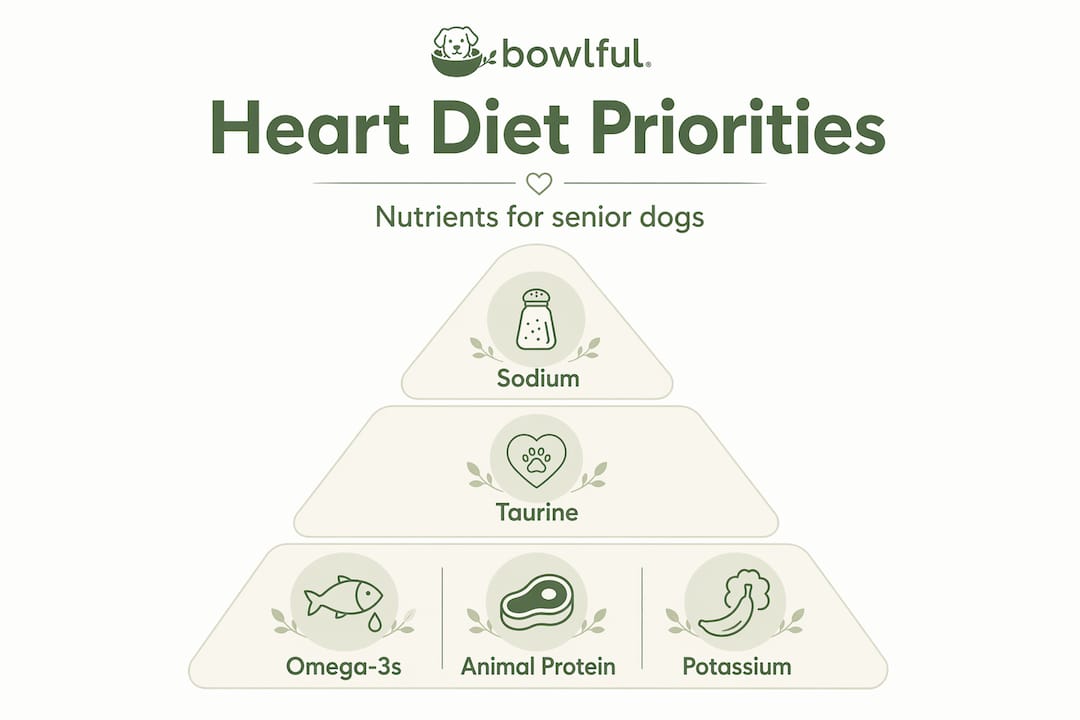
Once you understand the physiology, the nutrition strategy becomes clearer. Each nutrient below plays a specific role in managing cardiac disease rather than just maintaining general health.
| Nutrient | Why it matters | What to look for |
|---|---|---|
| Sodium | Excess sodium worsens fluid retention | Under 0.2% in diet composition |
| Taurine | Supports healthy heart muscle contraction | Named animal protein sources high in taurine |
| Omega-3 fatty acids | Reduce cardiac inflammation | Fish oil or oily fish as listed ingredients |
| High-quality protein | Prevents muscle wasting | Chicken, turkey, salmon as first ingredient |
| Antioxidants | Reduce oxidative stress on cardiac tissue | Vitamins E and C, selenium in ingredient list |
Sodium is the most urgent priority. Sodium over 0.2% of total ingredient weight worsens fluid retention and forces the heart to work even harder. Most standard adult dog foods run significantly above this threshold, which is why a cardiac-specific formula matters so much.
Taurine is a nutrient that many owners overlook, yet taurine deficiency contributes directly to diet-related heart disease progression. Taurine is found in high concentrations in animal muscle tissue, particularly in the heart itself. Dogs who eat diets low in animal protein, or grain-free formulas that substitute legumes for meat, often run short on it. For a deeper look at the essential nutrients dogs need from whole food sources, including taurine-rich options, it's worth understanding which ingredients actually deliver on that front.
Omega-3 fatty acids, specifically EPA and DHA from fish oil, have solid research behind them for cardiac support. They reduce inflammation in cardiac tissue, help maintain normal heart rhythm, and may slow the progression of certain heart conditions. They also support kidney function, which matters because the heart and kidneys are deeply interconnected in senior dogs.

Pro Tip: Look for dog foods where a named animal protein, such as chicken, salmon, or turkey, is listed as the very first ingredient. Vague terms like "meat meal" or "animal by-product" give you no insight into taurine content.
Managing weight and calories for cardiac dogs
This section is where owners run into trouble most often, and the reason is counterintuitive. You would expect a dog eating less and moving less to lose weight naturally. But many senior dogs with heart disease actually gain weight from fluid retention, which can mask dangerous muscle loss happening underneath. You need to distinguish between fat mass, lean muscle, and fluid when assessing your dog's body condition.
Senior dogs require up to 24% fewer calories than younger adults because their metabolism slows and activity decreases. But fewer calories does not mean poor nutrition. The goal is a diet that is calorie-appropriate and nutritionally dense. A dog carrying excess body fat puts additional workload on an already compromised heart. You can find practical guidance on preventing obesity in small breeds, which is directly relevant since small breeds are most prone to mitral valve disease.
Practical strategies that make a real difference include:
- Weigh your dog every two weeks and track trends rather than single readings. A gain of even half a pound per week over a month is worth discussing with your vet.
- Use a kitchen scale for meals rather than volume measures. Cup measurements vary widely depending on kibble size and density.
- Divide daily food into two or three smaller meals rather than one large one. This reduces abdominal pressure after eating, which is especially helpful for dogs with fluid buildup.
- Treat calories count. If your dog is on a cardiac diet, low-sodium treats are not optional. Many popular dog treats are surprisingly high in sodium.
- Specialist senior or cardiac diets are formulated with calorie control built in, which removes a lot of the guesswork.
Research also shows that obesity reduces lifespan in dogs significantly, and this effect is amplified in cardiac patients. Keeping your dog at a lean, healthy body weight is one of the most powerful things you can do outside of medication.
Hydration and feeding methods for heart patients
Hydration in cardiac dogs sits in a paradox. Their bodies retain too much fluid in the wrong places while simultaneously struggling to maintain adequate hydration at the cellular and kidney level. This is why simply restricting water is never the answer, and why the type of food your dog eats matters beyond just its nutrient content.
Here is a practical feeding approach to balance hydration and palatability for a senior dog with heart disease:
- Add wet food to the rotation. Wet food improves both hydration and appetite in cardiac seniors. Even replacing half the kibble with a wet cardiac formula increases moisture intake significantly without adding sodium risk. This approach is explored in detail in the context of palliative nutrition for pets.
- Use low-sodium broth as a topper. A tablespoon of unsalted chicken or vegetable broth over kibble can make a meal far more appealing to a dog with reduced appetite. Check labels carefully. Most commercial broths are high in sodium, so look for specifically unsalted versions.
- Transition diets gradually. A 7 to 10 day transition from old to new food dramatically reduces the risk of gastrointestinal upset, which is dangerous for dogs already dealing with compromised digestion and fluid balance.
- Monitor resting respiratory rate at home. Count your dog's breaths per minute while they are fully relaxed or asleep. A rate above 40 breaths per minute is an early warning sign of worsening heart failure and requires immediate veterinary attention. This is one of the most accessible monitoring tools available to owners.
Pro Tip: Set a weekly reminder to count your dog's resting respiratory rate. Ten to twenty breaths per minute is normal. Consistent counts above 30 warrant a call to your vet, even before hitting the critical 40 threshold.
Common diet mistakes that backfire
Several well-intentioned choices can actively harm a cardiac senior dog. Knowing what to avoid is just as important as knowing what to feed.
- Unnecessary protein restriction is one of the most damaging mistakes. Restricting protein without terminal kidney failure accelerates muscle wasting in heart patients. Unless your vet has confirmed advanced kidney disease alongside heart disease, do not reduce protein. Monitor phosphorus levels instead, which is the genuinely relevant kidney marker.
- Grain-free diets have been associated with diet-associated dilated cardiomyopathy, particularly formulas high in peas, lentils, and legumes. The FDA has investigated this connection, and while research is ongoing, the risk is real enough that most cardiologists recommend against grain-free formulas for cardiac patients without a specific medical reason.
- Highly palatable "treat" foods like rotisserie chicken, deli meat, and most commercial dog treats carry a sodium load that quietly undermines a carefully managed cardiac diet. One slice of deli turkey can contain more sodium than an entire day's recommended intake for a small cardiac dog.
- Homemade diets without veterinary oversight often miss critical micronutrients. A diet low in taurine, selenium, or proper electrolytes can worsen the very condition you are trying to manage.
- AAFCO labeling matters. Look for foods that state they meet AAFCO nutritional standards for adult maintenance or all life stages. This ensures the formula has passed a baseline completeness standard.
My honest take on feeding a dog with heart disease
I've worked alongside a lot of pet owners navigating this exact situation, and the thing I've noticed most is that the hardest part is not the science. It's the emotional weight of every meal feeling like a medical decision.
What I've found is that owners who do best are the ones who accept that feeding a cardiac dog is an ongoing process, not a one-time fix. The dog's needs shift as the disease progresses, as medications change, and as their appetite fluctuates. Locking into a single diet plan and never revisiting it is one of the more common mistakes I see.
I've also watched owners spiral into unnecessary anxiety over protein. The fear that protein damages kidneys is so widespread that people cut it far too aggressively, and their dog loses muscle mass as a result. The science here is clear. Monitoring phosphorus is more important than slashing protein in dogs without confirmed kidney failure. Trust the research over the rumor.
My take is this: diet is one part of a larger picture that includes medication, regular vet monitoring, vet check-ups every six months, and your own careful observation at home. None of these elements work in isolation. When you get all of them working together, you give your dog the best possible chance at comfortable, quality time with you.
— Robert
How Bowlful supports senior dogs with heart conditions
Managing a cardiac diet for your senior dog is genuinely complex. Bowlful was built specifically for situations like this. Using the same RER formula veterinarians rely on, Bowlful creates personalized daily feeding plans calibrated to your dog's breed, weight, and life stage. That means calorie targets that reflect your dog's actual needs, not a generic estimate off a bag.
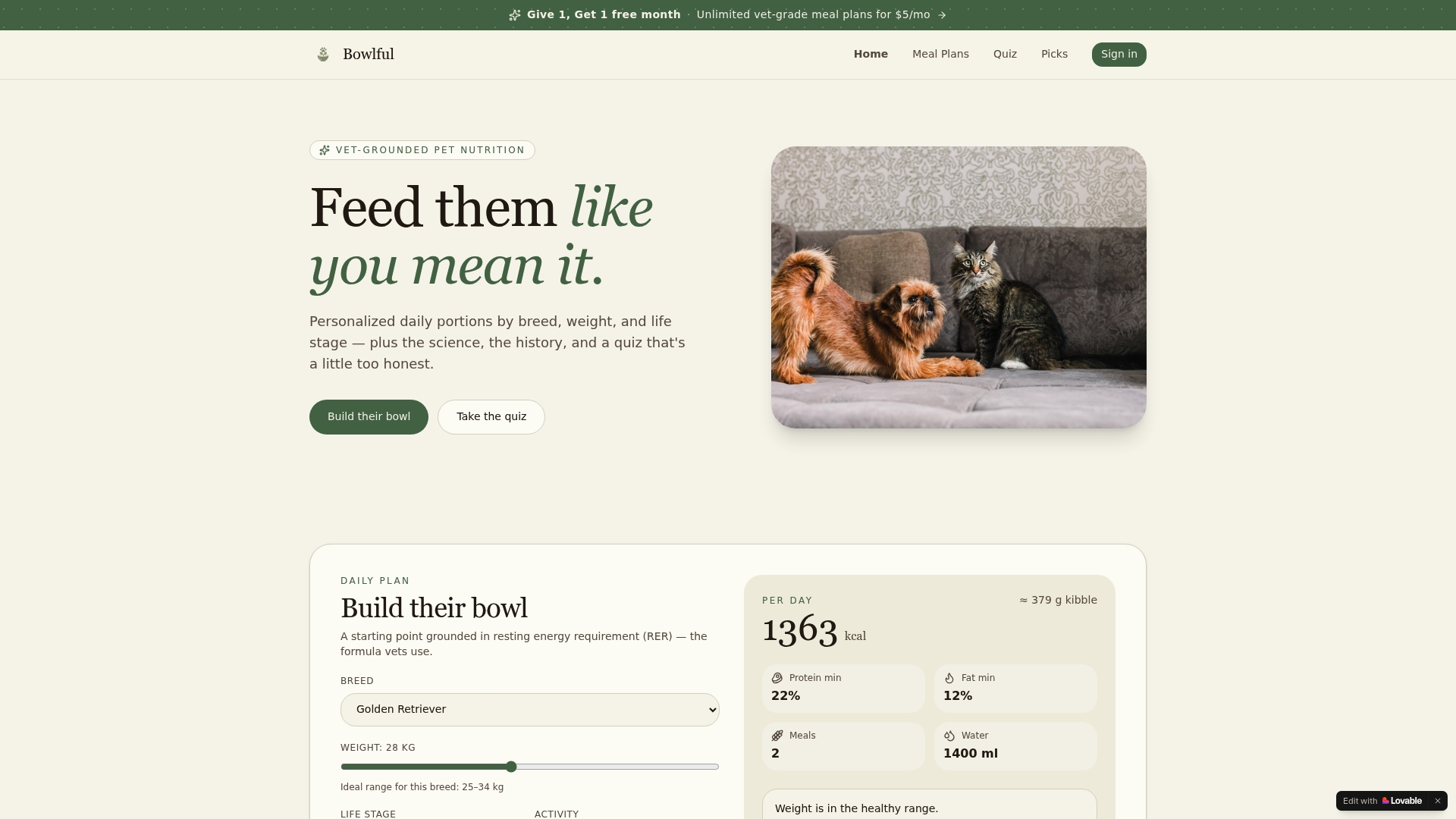
Bowlful's formulas account for the nutritional needs senior dogs face at this stage of life, with attention to sodium, protein quality, and nutrient density. Every plan is built around the kind of science that cardiac vets already use. If you want a starting point that takes the guesswork out of heart-friendly feeding, Bowlful's quiz takes under two minutes and gives you a plan grounded in evidence, not marketing.
FAQ
What is the most important dietary change for dogs with heart disease?
Sodium restriction is the single most urgent dietary adjustment. Keeping sodium under 0.2% of dietary composition reduces fluid retention and eases the cardiac workload directly.
Should I restrict protein in my senior dog with heart disease?
No, unless your vet has confirmed terminal kidney failure alongside the heart condition. Unnecessary protein restriction accelerates muscle wasting in cardiac patients. Focus on phosphorus levels instead.
Are grain-free diets safe for dogs with heart disease?
No. Grain-free diets high in legumes and lentils have been linked to diet-associated cardiomyopathy and are not recommended for cardiac patients without specific veterinary guidance.
How do I monitor my dog's heart disease at home?
Count your dog's resting respiratory rate while they sleep. A rate above 40 breaths per minute is an early warning sign of worsening congestive heart failure and requires immediate vet attention.
How often should senior dogs with heart disease visit the vet?
Every six months at minimum for cardiac monitoring, and sooner if you notice changes in breathing, appetite, or energy. Early detection allows timely treatment that delays heart failure progression.