
Supplements for aging dog nutrition are targeted products designed to support joints, brain function, skin integrity, and immune health in senior dogs when matched carefully to individual needs. The most clinically supported ingredients include EPA/DHA omega-3 fatty acids, glucosamine, chondroitin sulfate, antioxidants like vitamins E and C, and medium-chain triglycerides. These are not replacements for a balanced diet or veterinary care. They are precision tools that address specific gaps created by aging physiology. Used correctly, they can meaningfully improve your dog's quality of life. Used carelessly, they can cause harm.
What supplements for aging dog nutrition actually do
Aging changes how dogs process nutrients. Organ function declines gradually, inflammation increases, and the body becomes less efficient at synthesizing certain compounds it once produced in adequate amounts. Glucosamine, for example, is naturally produced in cartilage, but production slows with age. Supplementing it directly targets that gap. The same logic applies to omega-3 fatty acids, which aging dogs struggle to convert from plant sources into the EPA and DHA their tissues actually use.
The key distinction here is between supplementing a deficiency and adding nutrients indiscriminately. Veterinary experts recommend symptom-led supplement selection based on observed behaviors and conditions rather than age alone. A dog showing stiff movement after rest needs a different supplement protocol than one with dull coat and excessive scratching. Matching the supplement to the symptom is what separates effective use from expensive guesswork.
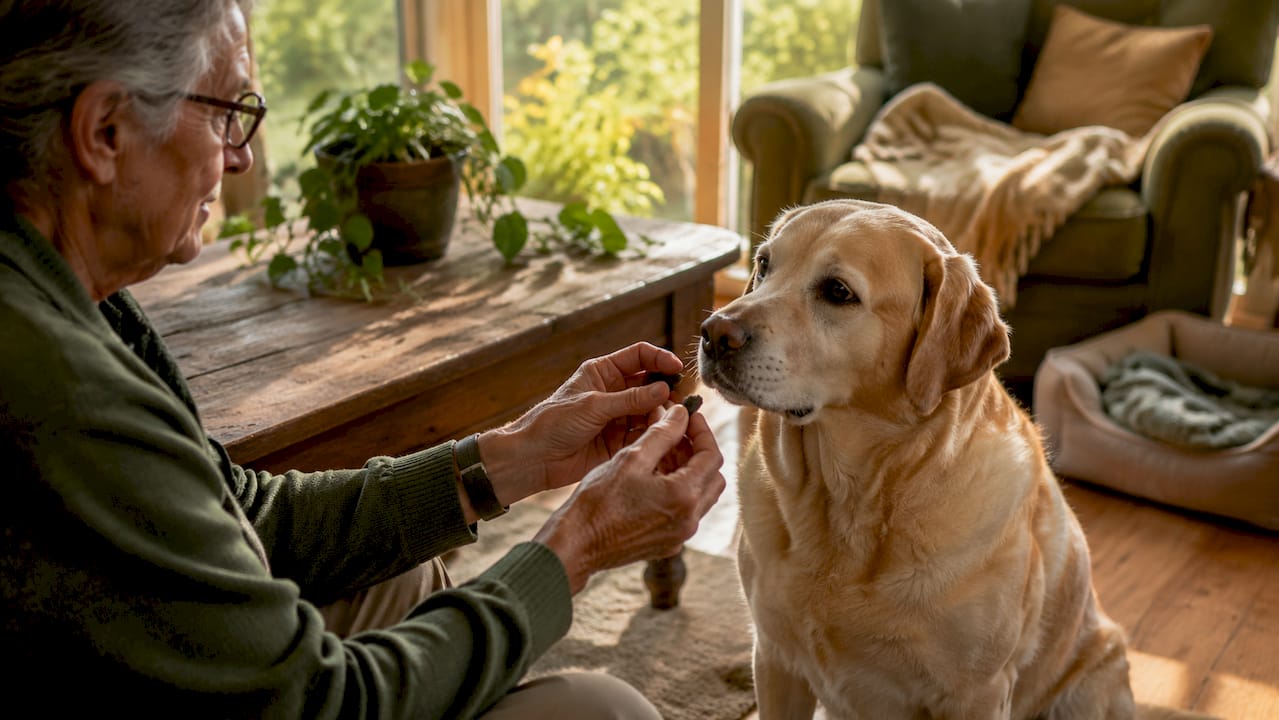
Bowlful's approach to senior dog nutrition is built on this same principle. Every feeding plan starts with the dog's specific life stage, weight, and health profile, not a generic "senior" label.
How to assess your aging dog's needs before buying anything
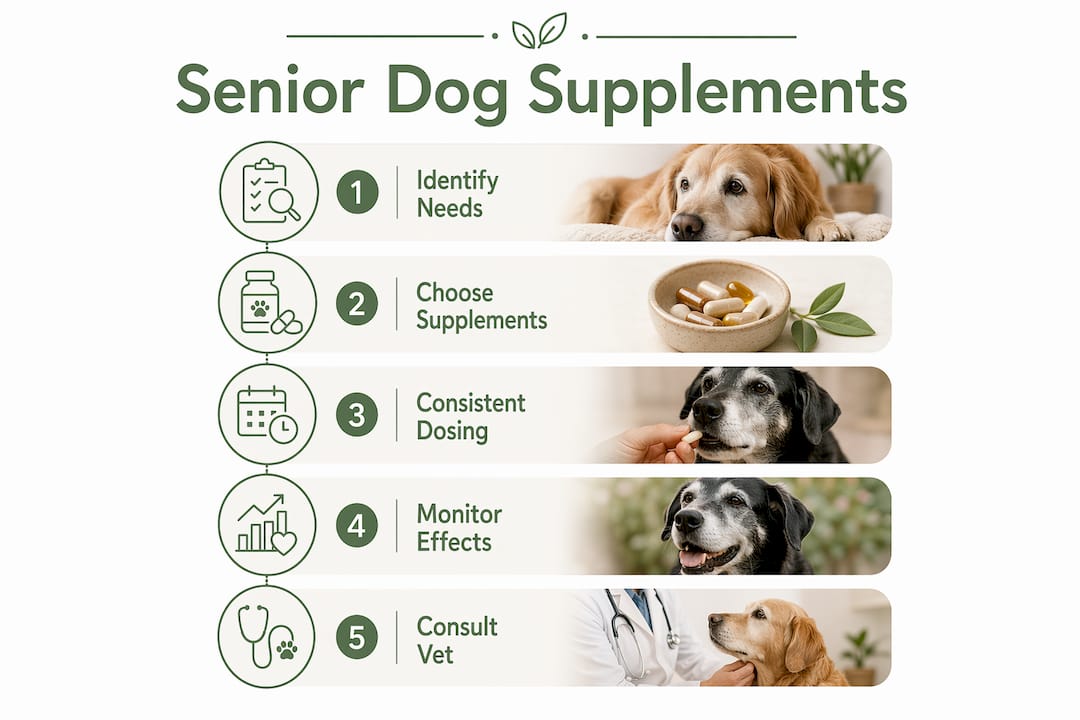
Before you purchase a single bottle, spend two weeks observing your dog systematically. The symptoms you notice will tell you more than any age-based recommendation.
Watch for these specific signals:
- Mobility changes: Hesitation before jumping, stiffness after naps, reluctance to climb stairs, or a shortened stride on walks
- Cognitive signs: Disorientation in familiar spaces, altered sleep cycles, reduced responsiveness to commands, or staring at walls
- Skin and coat issues: Increased scratching, flaky skin, dull or thinning coat, or slow wound healing
- Digestive shifts: Reduced appetite, loose stools, or weight loss without dietary changes
- Energy and behavior: Withdrawal from play, increased anxiety, or unusual vocalization
Once you have a symptom picture, bring it to your veterinarian along with a full list of your dog's current food and any supplements already in use. Request bloodwork that includes a complete metabolic panel. This identifies organ function levels and any measurable deficiencies before you add anything new.
One critical warning: most healthy senior dogs on balanced commercial diets do not require multivitamins, and indiscriminate supplementation risks vitamin toxicity. Fat-soluble vitamins A, D, E, and K accumulate in tissue rather than flushing out through urine. In a dog with subclinical kidney or liver decline, that accumulation becomes dangerous faster than most owners expect. A pet nutrition assessment before supplementing is not optional. It is the foundation of safe practice.
What are the best supplements for senior dog joint health?
Joint deterioration is the most common reason owners start supplementing aging dogs, and the research here is stronger than in almost any other area of canine nutrition.
-
EPA/DHA fish oil is the single most evidence-backed option available. EPA/DHA at 50 to 100 mg/kg/day is the only nutritional intervention with Grade A evidence across multiple aging systems in dogs. This means it supports joints, brain, skin, and cardiovascular health simultaneously. Products like Nordic Naturals Omega-3 Pet and Zesty Paws Pure Wild Alaskan Salmon Oil are widely used and third-party tested for purity.
-
Glucosamine and chondroitin sulfate work together to slow cartilage breakdown and support synovial fluid production. Glucosamine at 20 to 30 mg/kg/day and chondroitin at 10 to 15 mg/kg/day are the clinically supported doses. Products like Cosequin DS and Dasuquin with ASU are among the most studied formulations on the market.
-
MSM (methylsulfonylmethane) is often added to glucosamine and chondroitin formulas. It contributes sulfur compounds that support connective tissue repair and has a mild anti-inflammatory effect. It works best as an adjunct, not a standalone.
-
Green-lipped mussel from New Zealand contains a unique combination of omega-3 fatty acids, glycosaminoglycans, and antioxidants not found in standard fish oil. It is particularly useful for dogs that do not tolerate fish oil well or need additional joint support beyond omega-3s alone.
-
Weight management and daily movement are not supplements, but veterinarians prioritize these lifestyle factors over any pill or powder for extending senior dog lifespan. Every extra pound of body weight adds roughly four pounds of pressure to a dog's joints. No supplement overcomes that math.
Pro Tip: Some joint supplements use a loading dose strategy during the first four to six weeks, with higher initial doses to reach therapeutic tissue levels faster, followed by a lower maintenance dose. Ask your vet whether this approach is appropriate for your dog's weight and current joint status before starting.
Most joint supplements require six to eight weeks of consistent daily dosing before noticeable improvements appear. Stopping at week three because you see no change is the most common reason owners conclude that supplements do not work.
Which supplements support cognitive function in aging dogs?
Canine cognitive dysfunction (CCD) is the veterinary term for age-related brain decline in dogs, comparable to Alzheimer's disease in humans. The prevalence data is striking. CCD affects 8% of dogs at ages 11 to 12 and climbs to 28% by age 15. That means roughly one in four dogs reaching their mid-teens will show measurable cognitive decline. Early intervention matters because supplements work better before significant neurological damage occurs.
The supplements with the strongest evidence for cognitive support include:
- Medium-chain triglycerides (MCT oil): MCTs provide an alternative fuel source for neurons that can no longer efficiently metabolize glucose. Purina Pro Plan Bright Mind Adult 7+ is the most studied commercial product using this mechanism. MCT oil can also be added directly to food, though dosing should start low to avoid digestive upset.
- Vitamin E and vitamin C: These antioxidants reduce oxidative stress in brain tissue, which is a primary driver of cognitive decline. They work best in combination rather than individually.
- SAMe (S-adenosylmethionine): SAMe supports neurotransmitter production and has shown measurable improvement in CCD symptoms in clinical studies. Novifit is a veterinary-grade SAMe product specifically formulated for dogs.
- Phosphatidylserine: This phospholipid supports cell membrane integrity in neurons and has shown cognitive benefits in multiple species.
The subclinical gap period in aging dogs, the window before clinical symptoms appear, is the most effective time to begin cognitive supplements. If your dog is 9 or 10 years old and showing no signs yet, that is actually the ideal moment to start, not after the confusion and disorientation begin.
Mental stimulation through puzzle feeders, scent work, and new routes on walks supports the same neural pathways these supplements target. Supplementation and enrichment together produce better outcomes than either alone.
How do supplements address skin, coat, and immune health?
Senior dogs frequently develop dry, flaky skin, a dull coat, and increased susceptibility to infection. These are not cosmetic issues. They reflect underlying inflammation, reduced barrier function, and immune system changes that accelerate with age.
Omega-3 fatty acids are the first line of defense here. EPA and DHA reduce the production of pro-inflammatory cytokines in skin tissue, which directly addresses itching and flaking at the cellular level. Vitamin E supports skin barrier repair and works synergistically with omega-3s. Together, they address both the inflammatory cause and the structural damage.
For immune health, the picture is more nuanced. Medicinal mushrooms and curcumin modulate immune function rather than simply "boosting" it. The distinction matters because an overactive immune response causes as many problems as an underactive one, particularly in dogs with allergies or autoimmune conditions. Reishi, turkey tail, and shiitake mushrooms are the most studied options in canine applications.
Key points to keep in mind for this category:
- Curcumin (from turmeric) has poor bioavailability on its own. Look for formulations that include piperine or use liposomal delivery to improve absorption.
- Vitamin E supplementation above therapeutic levels can interfere with vitamin K function and blood clotting. Stay within veterinary-recommended doses.
- Probiotics like Purina FortiFlora support gut-associated immune tissue, which represents a significant portion of the immune system. Gut health and immune health are directly connected in dogs.
- Always review supplement interactions with your vet before combining multiple immune-support products.
Common mistakes that undermine senior dog supplementation
The most expensive mistake owners make is treating supplements like food. More is not better. Consistent and correct dosing is what produces results.
"The goal of supplementation is to fill specific gaps, not to flood the system with nutrients it cannot use or eliminate safely."
Over-supplementation of vitamins A, D, E, and K and minerals can be toxic, especially in senior dogs with declining organ function. A dog whose kidneys are operating at 70% capacity cannot clear excess minerals at the same rate a young, healthy dog can. This is why bloodwork before supplementing is not a formality. It is a safety check.
The second most common mistake is inconsistency. Supplements are not medications with immediate effects. They work through gradual tissue accumulation and metabolic adaptation. Skipping doses, switching products every few weeks, or stopping when results are not immediate all prevent therapeutic levels from being reached.
Pro Tip: Introduce new supplements one at a time, with at least two weeks between additions. This lets you identify which product is causing any adverse reaction, such as loose stools or increased thirst, rather than having to eliminate everything and start over.
Dental health and weight control remain the two lifestyle factors most strongly associated with senior dog longevity, according to veterinary consensus. A dog carrying excess weight and suffering from periodontal disease will not respond to supplements the way a lean, dentally healthy dog will. Supplements work within a system. If the system is compromised, their effect is blunted.
Key takeaways
Targeted, symptom-led supplementation with EPA/DHA fish oil, glucosamine, and antioxidants is the most evidence-backed approach to supporting aging dog health across joints, cognition, and skin.
| Point | Details |
|---|---|
| Start with symptoms, not age | Observe mobility, cognition, and skin before choosing any supplement. |
| EPA/DHA fish oil is the top priority | It carries Grade A evidence for joint, brain, and skin support at 50 to 100 mg/kg/day. |
| Allow six to eight weeks for joint results | Consistent daily dosing is required before therapeutic levels produce visible change. |
| Avoid multivitamins without bloodwork | Fat-soluble vitamin toxicity is a real risk in dogs with subclinical organ decline. |
| Lifestyle factors come first | Weight management and dental care outperform any supplement for extending senior dog lifespan. |
Why I think most owners supplement their aging dogs backward
I have spent years reading veterinary research on senior dog nutrition, and the pattern I keep seeing is this: owners reach for supplements the moment a dog turns seven or eight, buying a generic senior multivitamin because the label says "for older dogs." That is exactly the wrong approach, and it is also the approach most supplement marketing encourages.
The dogs I have seen benefit most from supplementation are the ones whose owners watched carefully, noticed something specific, and then matched a supplement to that observation. A dog that started hesitating at the bottom of the stairs got fish oil and glucosamine. A dog that began staring at walls at night got MCT oil and SAMe. A dog with a dull, itchy coat got omega-3s and a probiotic. Each intervention was targeted. Each had a measurable outcome to track.
What I find genuinely underappreciated is the subclinical gap concept. The window between "aging normally" and "showing clinical symptoms" is where supplements do their best work. By the time a dog is visibly struggling, you are managing decline rather than preventing it. Starting fish oil and antioxidants at age eight or nine in a dog that still looks healthy is not premature. It is strategic.
My honest advice: partner with your vet, get baseline bloodwork done, and treat supplementation as a long-term commitment rather than a quick fix. The dogs that benefit most are the ones whose owners are paying attention and staying patient.
— Robert
Support your senior dog with Bowlful's personalized nutrition plans
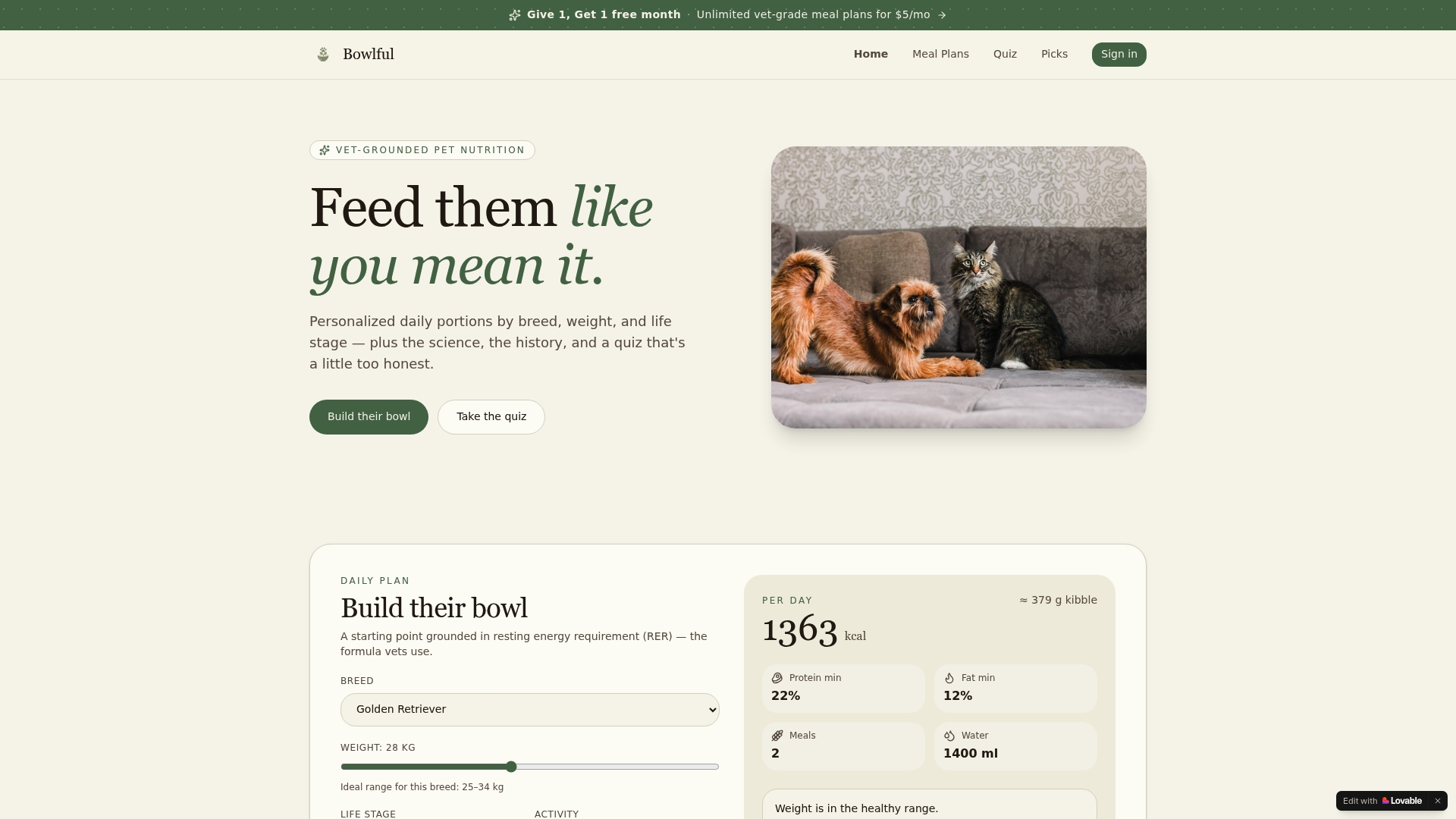
Choosing the right supplements starts with knowing exactly what your dog needs, and that requires more than a generic senior formula. Bowlful builds personalized feeding plans using the same Resting Energy Requirement formula veterinarians use, calibrated to your dog's breed, weight, and life stage. Whether your senior dog needs heart-healthy dietary support or a full nutritional review before adding supplements, Bowlful gives you a data-driven starting point. Take the interactive quiz at bowlful.org to get a meal plan built specifically for your dog, not the average dog on the bag.
FAQ
What supplements do vets recommend most for senior dogs?
EPA/DHA fish oil is the most consistently recommended supplement for senior dogs, with Grade A clinical evidence supporting joint, brain, and skin health at 50 to 100 mg/kg/day. Glucosamine and chondroitin are the next most recommended for dogs showing mobility issues.
How long before joint supplements work in older dogs?
Most joint supplements require six to eight weeks of consistent daily dosing before noticeable improvement appears. Stopping early is the most common reason owners conclude the supplements are not effective.
Can I give my senior dog a multivitamin every day?
Most senior dogs on a balanced commercial diet do not need a daily multivitamin. Indiscriminate use risks fat-soluble vitamin toxicity, particularly in dogs with subclinical kidney or liver decline. Always confirm with bloodwork first.
What are the signs of cognitive decline in aging dogs?
Canine cognitive dysfunction signs include disorientation in familiar spaces, disrupted sleep cycles, reduced responsiveness, and staring at walls. Prevalence rises from 8% at ages 11 to 12 to 28% by age 15, making early intervention with MCT oil and antioxidants worth discussing with your vet.
Is fish oil safe for senior dogs with health conditions?
Fish oil is generally well tolerated, but dogs with pancreatitis, bleeding disorders, or those on blood-thinning medications need veterinary clearance before starting. High doses can affect platelet function, so dosing within the 50 to 100 mg/kg/day range and monitoring for side effects is the safest approach.