
The 10 top breeds of dogs in 2026 are the French Bulldog, Labrador Retriever, Golden Retriever, German Shepherd, Dachshund, Poodle, Beagle, Rottweiler, German Shorthaired Pointer, and Bulldog. These popular dog breeds dominate American Kennel Club registration data and represent a wide range of sizes, temperaments, and care demands. Knowing what each breed actually requires before you commit is the difference between a great match and a costly mistake. Resources like the American Kennel Club and PetMD confirm that popularity alone should never drive a breed decision.
What are the 10 top breeds of dogs and their defining traits?
The breeds of dogs ranking below reflects 2025 AKC registration data, the most current national measure of breed popularity. Each entry covers personality, care needs, and who the breed suits best.
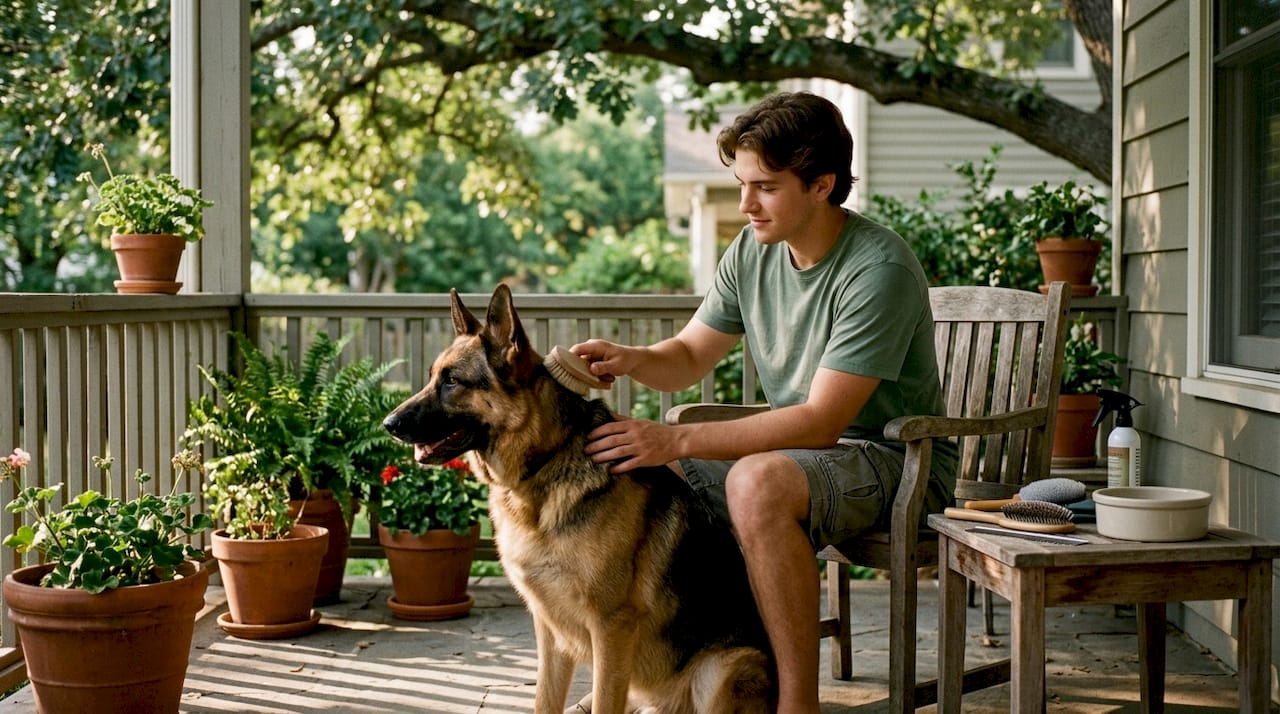
1. French Bulldog
The French Bulldog has held the #1 spot since 2022, ending the Labrador Retriever's 31-year reign. That streak reflects genuine demand. Frenchies are compact, affectionate, and low-energy, which makes them ideal for apartment living. The tradeoff is real: their flat faces cause brachycephalic syndrome, which drives higher veterinary costs over a dog's lifetime. Budget accordingly before you fall for the ears.
- Best for: Apartment dwellers, low-activity households
- Watch out for: Breathing issues, heat sensitivity, snoring
- Grooming: Minimal coat care, but skin fold cleaning required
2. Labrador Retriever
The Labrador Retriever held the top spot for 31 consecutive years before the French Bulldog took over. That record exists for a reason. Labs score 94 out of 100 in child-tolerance and carry the lowest bite risk of any breed over 50 lbs. They are energetic, trainable, and genuinely forgiving of beginner mistakes. Labs need daily exercise and can develop obesity without portion control, so feeding by weight matters more than most owners realize.
- Best for: Active families, first-time owners, homes with children
- Watch out for: Weight gain, hip dysplasia, destructive behavior when under-exercised
- Grooming: Moderate shedding, weekly brushing
3. Golden Retriever
The Golden Retriever is the gold standard for family dogs, and that reputation is earned. Goldens are patient, eager to please, and highly trainable, which is why experts consistently recommend them for first-time owners. They need significant daily exercise and thrive with a job to do. Goldens are prone to certain cancers and joint issues as they age, so preventive vet care is non-negotiable.
- Best for: Families, first-time owners, active individuals
- Watch out for: Cancer risk, joint problems, heavy shedding
- Grooming: High. Regular brushing and professional grooming every 6–8 weeks
4. German Shepherd
The German Shepherd is the top working dog in America, used by police, military, and search-and-rescue teams. That intelligence cuts both ways. German Shepherds learn commands fast, but they also develop behavioral problems quickly when bored or under-stimulated. They are loyal and protective, making them excellent family dogs when properly trained. New owners should invest in structured obedience training from day one.
- Best for: Experienced owners, active families, working roles
- Watch out for: Hip dysplasia, anxiety without mental stimulation, strong prey drive
- Grooming: Heavy shedding twice a year, regular brushing year-round
5. Dachshund
The Dachshund entered the top 5 for the first time since 2003, which signals a real shift in American preferences toward smaller breeds. Dachshunds are bold, curious, and surprisingly stubborn for their size. Their long spines make them prone to intervertebral disc disease, so jumping on and off furniture is a genuine health risk. Ramps and weight management are not optional extras for this breed.
- Best for: Singles, couples, low-activity households
- Watch out for: Spinal injury, stubbornness, excessive barking
- Grooming: Low for smooth-coated; moderate for long-haired varieties
6. Poodle
The Poodle is one of the most intelligent breeds in the world and comes in three sizes: Standard, Miniature, and Toy. All three share the same sharp mind and low-shedding coat, which makes Poodles a top pick for allergy-sensitive households. Experts list Poodles among the best breeds for first-time owners because they respond quickly to positive reinforcement. Standard Poodles need vigorous daily exercise; Miniature and Toy versions adapt well to smaller spaces.
- Best for: Allergy sufferers, first-time owners, families
- Watch out for: Separation anxiety, ear infections, high grooming costs
- Grooming: High. Professional grooming every 4–6 weeks
Pro Tip: Poodle mixes like Goldendoodles and Labradoodles inherit the low-shed coat but vary widely in temperament. Always meet both parent dogs before committing to a mixed breed.
7. Beagle
The Beagle is a scent hound built for tracking, and that nose drives everything about the breed. Beagles are friendly, curious, and great with children, but they follow their noses off-leash with zero hesitation. A secure yard is not optional. They are vocal dogs, prone to howling, which matters in apartments or close neighborhoods. Beagles are sturdy, healthy dogs with fewer genetic issues than many popular breeds.
- Best for: Families with yards, active households
- Watch out for: Escape artistry, howling, obesity
- Grooming: Low. Weekly brushing, regular ear cleaning
8. Rottweiler
The Rottweiler is a confident, powerful breed that is deeply loyal to its family. Rottweilers have an undeserved reputation as dangerous dogs. With proper socialization and consistent training, they are calm, affectionate companions. They are not the right choice for passive or inexperienced owners. Rottweilers need clear boundaries, daily exercise, and an owner who understands dominant breed dynamics.
- Best for: Experienced owners, homes with space, protection-focused families
- Watch out for: Joint problems, weight gain, aggression without proper training
- Grooming: Low. Short coat, minimal maintenance
9. German Shorthaired Pointer
The German Shorthaired Pointer is the best dog breed for active families who want a true athletic partner. GSPs are high-energy hunting dogs that need at least 90 minutes of vigorous exercise daily. They are affectionate, intelligent, and excellent with children, but they will destroy a home if left under-exercised. Their feeding schedule needs to match their energy output, which is considerably higher than most household breeds.
- Best for: Runners, hunters, active families with outdoor space
- Watch out for: Destructive behavior when bored, high exercise demands
- Grooming: Low. Short coat, occasional brushing
10. Bulldog
The Bulldog rounds out the top 10 dogs list as a calm, gentle breed that suits low-activity households. Bulldogs are affectionate and good with children, but they share the brachycephalic traits of French Bulldogs. Heat is a serious risk. Bulldogs also carry above-average veterinary costs due to skin fold infections, joint issues, and breathing problems. They are not a budget breed despite their laid-back personality.
- Best for: Apartment dwellers, families with young children, low-activity owners
- Watch out for: Heat stroke, joint problems, high vet costs
- Grooming: Low coat maintenance, but skin fold cleaning is daily
How do these breeds compare for temperament, lifestyle, and family fit?
Choosing among the best dog breeds means matching the dog's actual daily needs to your actual daily life. The table below cuts through the noise.
| Breed | Size | Energy | Grooming | Child-friendly | Training ease |
|---|---|---|---|---|---|
| French Bulldog | Small | Low | Low | Yes | Moderate |
| Labrador Retriever | Large | High | Moderate | Excellent | Easy |
| Golden Retriever | Large | High | High | Excellent | Easy |
| German Shepherd | Large | High | Moderate | Yes | Easy (needs structure) |
| Dachshund | Small | Moderate | Low/Moderate | Moderate | Challenging |
| Poodle | Small–Large | Moderate–High | High | Excellent | Easy |
| Beagle | Medium | Moderate | Low | Excellent | Moderate |
| Rottweiler | Large | Moderate | Low | Yes (with training) | Moderate |
| German Shorthaired Pointer | Large | Very High | Low | Yes | Easy |
| Bulldog | Medium | Low | Low | Excellent | Moderate |
Breed rankings do not reflect family compatibility. A Border Collie ranks highly in intelligence but fails in low-activity homes. The same logic applies across this list. A Labrador Retriever is the safest family bet on paper, but an under-exercised Lab becomes destructive fast.
What do these popular dog breeds cost to maintain?
Annual dog ownership costs run from $1,000 to $3,000 when you account for premium nutrition, routine veterinary care, and supplies. That range widens significantly for breeds with known health issues. French Bulldogs and Bulldogs regularly exceed the upper end of that estimate due to brachycephalic-related surgeries and skin care. Poodles add professional grooming costs every 4–6 weeks on top of standard expenses.
Nutrition is the single most controllable cost in dog ownership. Overfeeding is the fastest route to obesity-related vet bills, and preventing obesity in small breeds like Dachshunds and French Bulldogs is especially critical given their spinal and joint vulnerabilities. Feeding the right amount for a dog's specific weight and life stage is not guesswork. It is math.
Pro Tip: Use the Resting Energy Requirement (RER) formula, the same tool veterinarians use, to calculate your dog's precise daily calorie needs. Bowlful builds this calculation into a personalized feeding plan based on your dog's breed, weight, and age.
Training costs add another variable. German Shepherds, Rottweilers, and GSPs benefit from professional obedience classes, which typically run $100–$200 for a group session series. Budget for this upfront rather than after a behavioral problem develops.
Which breeds suit first-time owners, apartment dwellers, and active families?
The right breed depends on your living situation and experience level. Popularity lists are a starting point, not a decision. Here is how the top 10 break down by lifestyle:
- First-time owners: Golden Retriever, Labrador Retriever, and Poodle. All three are forgiving, eager to please, and respond well to positive reinforcement training.
- Apartment dwellers: French Bulldog, Bulldog, and Miniature Poodle. Low energy and compact size make these breeds manageable without outdoor space.
- Active families: German Shorthaired Pointer, Labrador Retriever, and Golden Retriever. All three need significant daily exercise and reward an active lifestyle.
- Experienced owners only: German Shepherd and Rottweiler. Both breeds need consistent structure and an owner who understands dominant behavior patterns.
- Allergy-sensitive households: Poodle in all three sizes. The low-shedding coat is a genuine advantage, not just a marketing claim.
No single breed fits every household. Active families might thrive with a high-energy German Shorthaired Pointer, while apartment dwellers will find a French Bulldog far more manageable. Matching the breed's energy and temperament to your daily routine prevents behavioral issues and, more seriously, prevents relinquishment.
Key takeaways
The most important decision in choosing a dog breed is matching the breed's energy and care demands to your actual lifestyle, not its ranking on a popularity list.
| Point | Details |
|---|---|
| French Bulldog leads rankings | The French Bulldog has held the #1 AKC spot for four consecutive years, but carries high vet costs. |
| Labrador Retriever is safest for families | Labs score 94/100 in child-tolerance and carry the lowest bite risk among large breeds. |
| Annual costs run $1,000–$3,000 | Brachycephalic breeds like Bulldogs and French Bulldogs regularly exceed the upper estimate. |
| First-time owners need forgiving breeds | Golden Retrievers, Poodles, and Labs are the top picks for new owners due to trainability. |
| Popularity does not equal suitability | AKC rankings reflect registration trends and social media influence, not lifestyle compatibility. |
Why I think you should ignore the popularity list and start with your calendar
The breeds of dogs ranking published by the AKC every year is a registration count, not a compatibility score. AKC data reflects owner registration choices and social media trends as much as genuine demand. French Bulldogs became famous on Instagram before most owners understood what brachycephalic syndrome actually costs.
The question I always ask prospective owners is simple: what does your Tuesday look like? Not your ideal Saturday. Your actual Tuesday. A German Shorthaired Pointer needs 90 minutes of hard exercise on a Tuesday when you are tired and it is raining. A Rottweiler needs a confident, consistent owner on the days when you do not feel like enforcing rules. The dogs do not take days off from being what they are.
The Dachshund's return to the top 5 is a good example of trend-driven adoption. They are charming, portable, and photogenic. They are also stubborn, prone to serious spinal injury, and louder than most people expect. None of that shows up in the social media posts.
My honest recommendation is to spend as much time researching the breed's worst-case health scenarios as you do admiring photos. The puppy nutrition guide matters. The vet budget matters. The daily exercise commitment matters. The dog you choose will live 10–15 years. Make that decision based on your real life, not the life you plan to have.
— Robert
Bowlful makes breed-specific nutrition simple
Every breed on this list has different calorie needs, and getting that number wrong accelerates the health problems each breed is already prone to. A French Bulldog fed for a Labrador's appetite will develop joint and breathing problems faster. A German Shorthaired Pointer underfed for its activity level will lose muscle and condition.
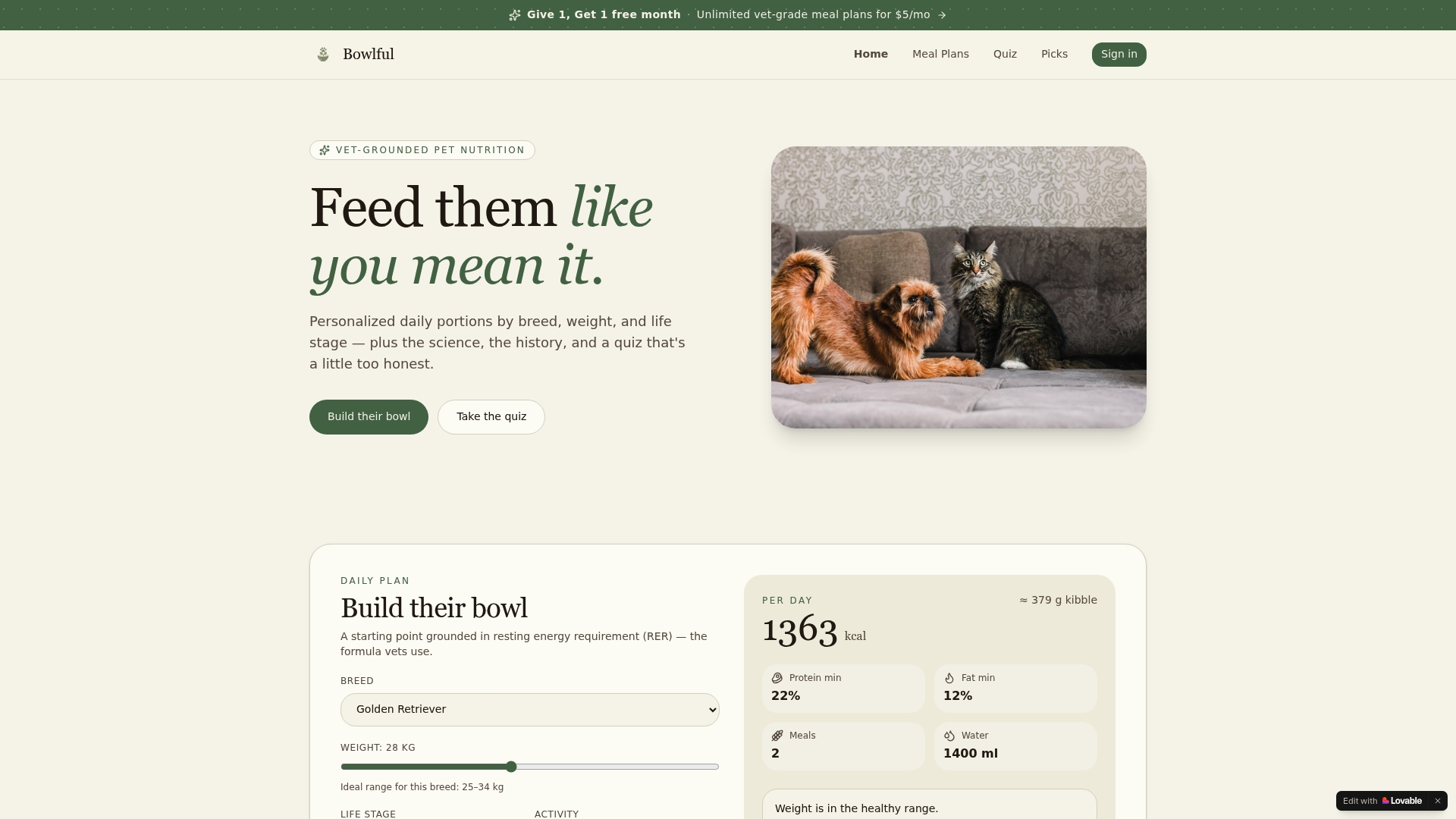
Bowlful uses the veterinarian-standard RER formula to build a personalized feeding plan based on your dog's specific breed, weight, and life stage. The process starts with a short quiz and ends with a meal plan your dog's body actually needs. Research shows lean-fed pets may live 1.8 years longer. That is not a small number. Start with Bowlful's quiz and give your dog the nutrition that matches who they are.
FAQ
What is the most popular dog breed in the U.S. in 2025?
The French Bulldog is the most popular breed in the U.S. for the fourth consecutive year, according to 2025 AKC registration data, ending the Labrador Retriever's 31-year run at the top.
Which dog breed is best for first-time owners?
Golden Retrievers, Labrador Retrievers, and Poodles are the top picks for first-time owners. All three are forgiving, trainable, and eager to please, which makes early training far more manageable.
Are French Bulldogs expensive to own?
French Bulldogs carry above-average veterinary costs due to brachycephalic traits, including breathing issues and skin fold infections. Annual ownership costs can exceed $3,000 for this breed.
Which top 10 dog breed is best for apartments?
French Bulldogs, Bulldogs, and Miniature Poodles are the best apartment breeds from the top 10 list. All three are low-energy, compact, and adapt well to smaller living spaces.
How do I choose the right breed for my family?
Match the breed's energy level, grooming demands, and temperament to your actual daily routine and living situation. Popularity rankings reflect registration trends, not lifestyle compatibility.