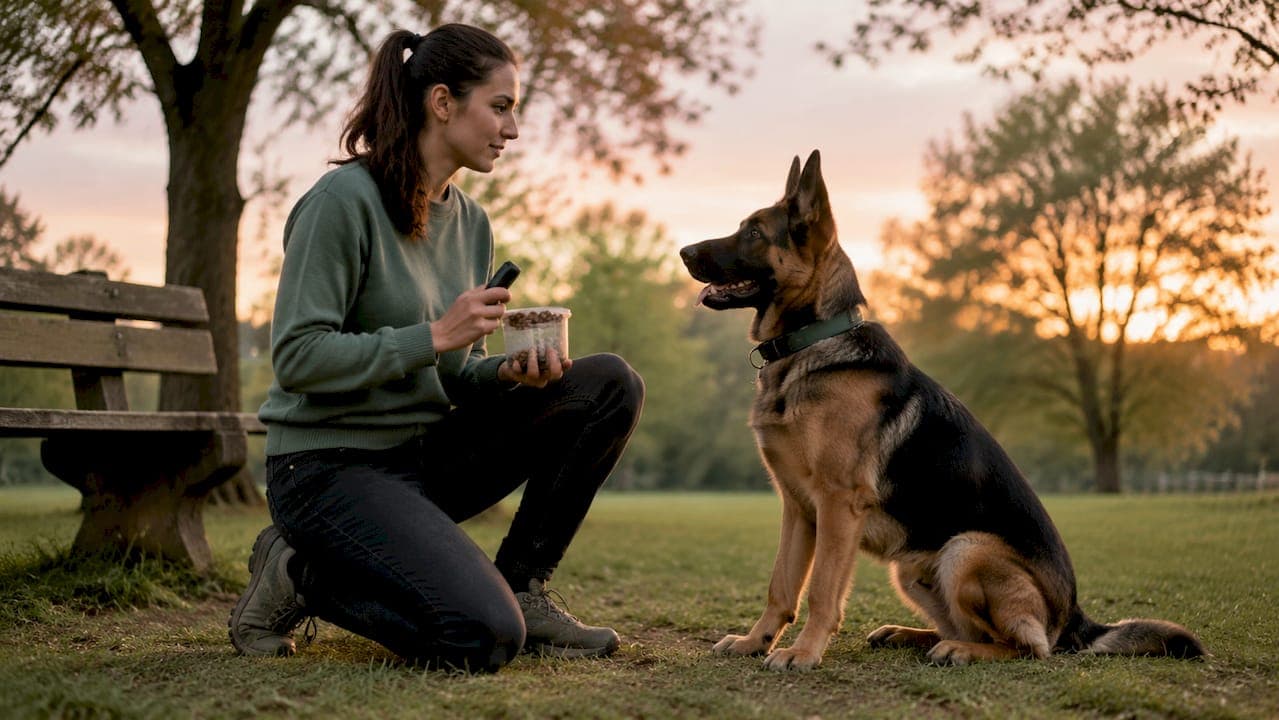
The best feeding schedule for working dogs is built around one principle: time meals to fuel performance without disrupting digestion or recovery. Working dogs in herding, hunting, search and rescue, and service roles require 34–38% protein and 22–28% fat in their diet, far above what a companion dog needs. The timing of those nutrients matters just as much as the amounts. Feed too close to a work session and you risk gastric torsion. Feed too late after work and you slow muscle recovery. This guide gives you a practical, science-backed dog feeding routine built for dogs that earn their keep.
1. Best feeding schedule for working dogs: the core framework
The foundation of any effective feeding plan for a working dog is the 4–6 hour pre-work meal buffer. Feed your dog a full main meal at least four hours before intense activity. This gives the stomach time to empty and reduces the risk of bloat, especially in deep-chested breeds like German Shepherds, Labrador Retrievers, and Belgian Malinois.
After work, do not feed immediately. Allow a 30–60 minute cooling period before offering a recovery meal. Delayed post-exercise feeding beyond 30 minutes can slow recovery by up to 40%, so the window matters. The recovery meal should be protein-rich to support muscle repair and include some digestible carbohydrates to replenish glycogen.
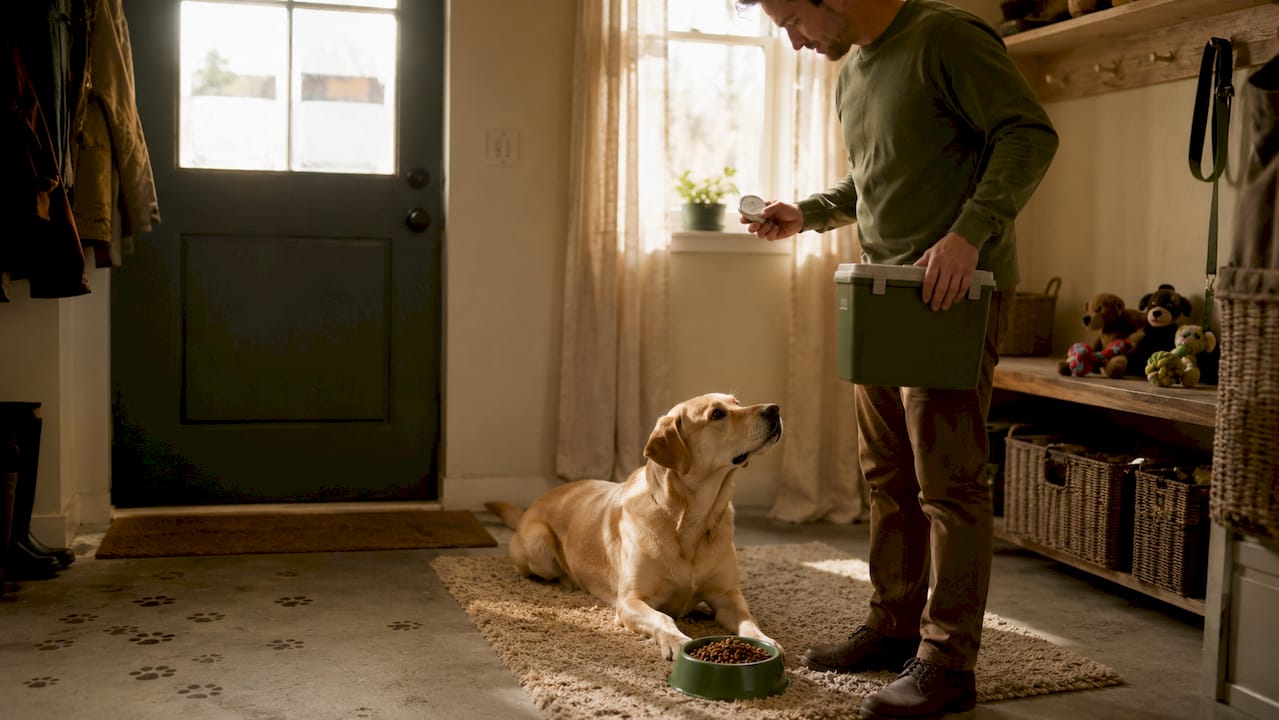
On rest days, reduce total calorie intake by 10–20% and keep meal timing consistent. Consistency in feeding times improves nutrient absorption and supports predictable bathroom breaks, which is critical for dogs working in structured environments.
2. How often should you feed a working dog each day?
Splitting the daily ration into 2–3 smaller meals reduces digestive load, stabilizes energy levels, and lowers the risk of gastric dilatation-volvulus (GDV). One large meal per day is the single biggest feeding mistake working dog owners make.
Two meals per day works well for most working dogs on moderate schedules. Three meals per day suits dogs with very high output days, such as all-day herding or multi-hour hunting sessions. The third meal is typically a small midday portion or a structured mid-session snack.
Free feeding, where food is left out all day, is not appropriate for working dogs. It removes your ability to monitor intake, control timing, and adjust portions based on workload. Measured meals at fixed times are the standard for performance dogs.
Pro Tip: Check the 2026 feeding frequency guidelines to see how updated veterinary recommendations apply to your working breed specifically.
3. What to feed during long work sessions
Small, high-energy snacks every 60–90 minutes during extended work sessions support sustained energy without overloading the digestive system. These are not full meals. They are brief fuel top-ups delivered during rest breaks, not during active exercise.
Freeze-dried liver, xylitol-free peanut butter, and small pieces of cooked chicken are effective options. They are calorie-dense, easy to carry, and digest quickly. Avoid large treats, biscuits with high fiber content, or anything that requires significant digestion time.
The key rule: snacks go in during rest breaks only. Feeding a dog while it is still physically active diverts blood flow from muscles to the gut, reducing both performance and digestive comfort.
4. Best diet composition for working dogs
Working dogs need a diet built around fat as the primary energy source. Fat delivers 9 kilocalories per gram, compared to 4 kilocalories per gram for protein or carbohydrates. That caloric density means your dog gets the energy it needs from a smaller meal volume, which directly reduces bloat risk.
The table below compares nutritional targets for working dogs versus companion dogs:
| Nutrient | Companion dog | Working dog |
|---|---|---|
| Protein (dry matter) | 18–22% | 34–38% |
| Fat (dry matter) | 10–15% | 22–28% |
| Calorie multiplier | 1x baseline | 1.5–2.5x baseline |
| Omega-3 / DHA | Minimal | Recommended daily |
Omega-3 fatty acids and DHA are not optional for working dogs. DHA-enriched formulas support cognitive function and trainability, which matters as much for a service dog as raw stamina does. Brands like Eukanuba, Royal Canin, and Purina Pro Plan all offer performance-specific formulas that meet these targets.
Pro Tip: Check why food amounts vary by dog type before calculating portions. A 60-pound herding dog working six hours daily needs a very different calorie load than a 60-pound dog in light service work.
5. How to adjust portions based on workload and body condition
Adjust food volume weekly based on workload, not daily. Daily fluctuations in activity are normal, but weekly patterns tell you whether your dog is consistently burning more or less than it is eating. Experienced handlers use biweekly body condition scoring as their calibration tool.
Body condition scoring for working dogs is simple. Run your fingers along your dog's ribcage. You should feel the ribs easily without pressing hard, but not see them prominently from a distance. If you cannot feel the ribs at all, reduce portions. If the ribs are visually prominent, increase them.
The goal is a body condition score of 4–5 on a 9-point scale. Dogs that are too lean lose stamina and recover slowly. Dogs that are overweight carry unnecessary load and face higher joint stress. Neither extreme serves a working dog well.
6. Sample feeding schedules by working dog role
Different roles demand different timing structures. The table below gives you a starting framework for four common working dog types.
| Role | Morning meal | Mid-session snack | Post-work meal |
|---|---|---|---|
| Herding dog (4–6 hrs/day) | 5:30 AM, full meal | 10:00 AM, small snack | 30–60 min after work ends |
| Hunting dog (6–8 hrs/day) | 4:00 AM, full meal | Every 90 min in field | 30 min after return |
| Service dog (8 hrs/day) | 6:00 AM, full meal | Midday small meal | Evening, 30 min post-duty |
| Endurance/sled dog | 5:00 AM, full meal | Every 60 min on trail | Immediately post-run (light) |
Endurance dogs like sled dogs are the exception to the 30-minute post-work rule. Their energy depletion is extreme enough that a light, easily digestible meal immediately after stopping is standard practice among competitive mushers. For all other roles, the 30–60 minute cooling window applies.
On lighter workload days or rest days, drop total intake by roughly 15% and keep the same meal times. Consistency in timing matters more than exact calorie precision on any single day. Consistent daily feeding times optimize digestive function and behavioral predictability across the board.
For a fully worked-out example, the balanced meal plans for 2026 from Bowlful show how to structure these schedules across a full week.
7. Common feeding mistakes that harm working dogs
Most performance problems in working dogs trace back to one of five feeding errors. Here is what to watch for:
- Feeding too close to work. A large meal within four hours of intense exercise is the leading cause of GDV in deep-chested breeds. The 4–6 hour pre-work buffer is non-negotiable for breeds like Great Danes, Dobermans, and Standard Poodles.
- Feeding immediately after work. Skipping the cooling period spikes digestive stress on an already taxed system. Wait 30–60 minutes before the recovery meal.
- Free feeding. Leaving food out removes all timing control. You cannot adjust for workload, monitor intake, or prevent overeating.
- Ignoring rest day adjustments. Feeding the same volume on a rest day as on a full work day leads to gradual weight gain over weeks.
- Relying on treats as meals. High-value training treats are calorie-dense. If your dog receives significant treats during training, reduce the main meal accordingly.
"Feed the job, not just the dog. A dog working six hours in cold weather needs a different plate than the same dog on a warm rest day." — Veterinary performance nutrition principle
Slow-feed bowls are worth using for dogs that eat quickly, particularly in the pre-work meal. They reduce air ingestion and slow gastric filling, both of which lower bloat risk.
Key takeaways
The best feeding schedule for working dogs requires timed meals, adjusted portions, and a diet built around fat and protein, not guesswork.
| Point | Details |
|---|---|
| Pre-work meal timing | Feed the main meal 4–6 hours before intense activity to prevent bloat and digestive stress. |
| Post-work recovery window | Wait 30–60 minutes after work before feeding; missing this window slows recovery by up to 40%. |
| Diet composition targets | Working dogs need 34–38% protein and 22–28% fat, plus DHA for cognitive performance. |
| Portion adjustment method | Adjust food volume weekly using biweekly rib palpation, not daily guesswork. |
| Avoid free feeding | Measured meals at fixed times are the standard for any dog in an active working role. |
What I've learned from feeding dogs that actually work
I have seen handlers obsess over premium kibble brands while feeding their dogs one giant meal an hour before a full day of herding. The food was excellent. The timing was a disaster. That dog was sluggish by midday and at real risk of GDV every single morning.
The uncomfortable truth about working dog nutrition is that timing beats ingredients. A well-timed meal of a solid mid-range performance food outperforms a poorly timed meal of the most expensive formula on the market. Most owners get this backwards because marketing focuses on what is in the bag, not when the bag gets opened.
What actually works is treating the feeding schedule like a training protocol. You would not run a dog through a demanding drill without a warmup. Do not ask its digestive system to handle a full stomach during peak physical output either. The 4–6 hour pre-work rule and the 30–60 minute post-work cooling period are the two most impactful changes most working dog owners can make today, without changing a single ingredient.
The second thing I would push back on is the idea that one schedule fits all working dogs. A Border Collie herding for four hours in mild weather and a Malinois doing eight-hour protection work in summer heat are not the same animal nutritionally, even if they weigh the same. Build the schedule around the job, then refine it with biweekly body condition checks. That feedback loop is more reliable than any formula.
— Robert
Build your working dog's feeding plan with Bowlful
Getting the timing right is the first step. Getting the portions and composition right for your specific dog is where most owners need support.
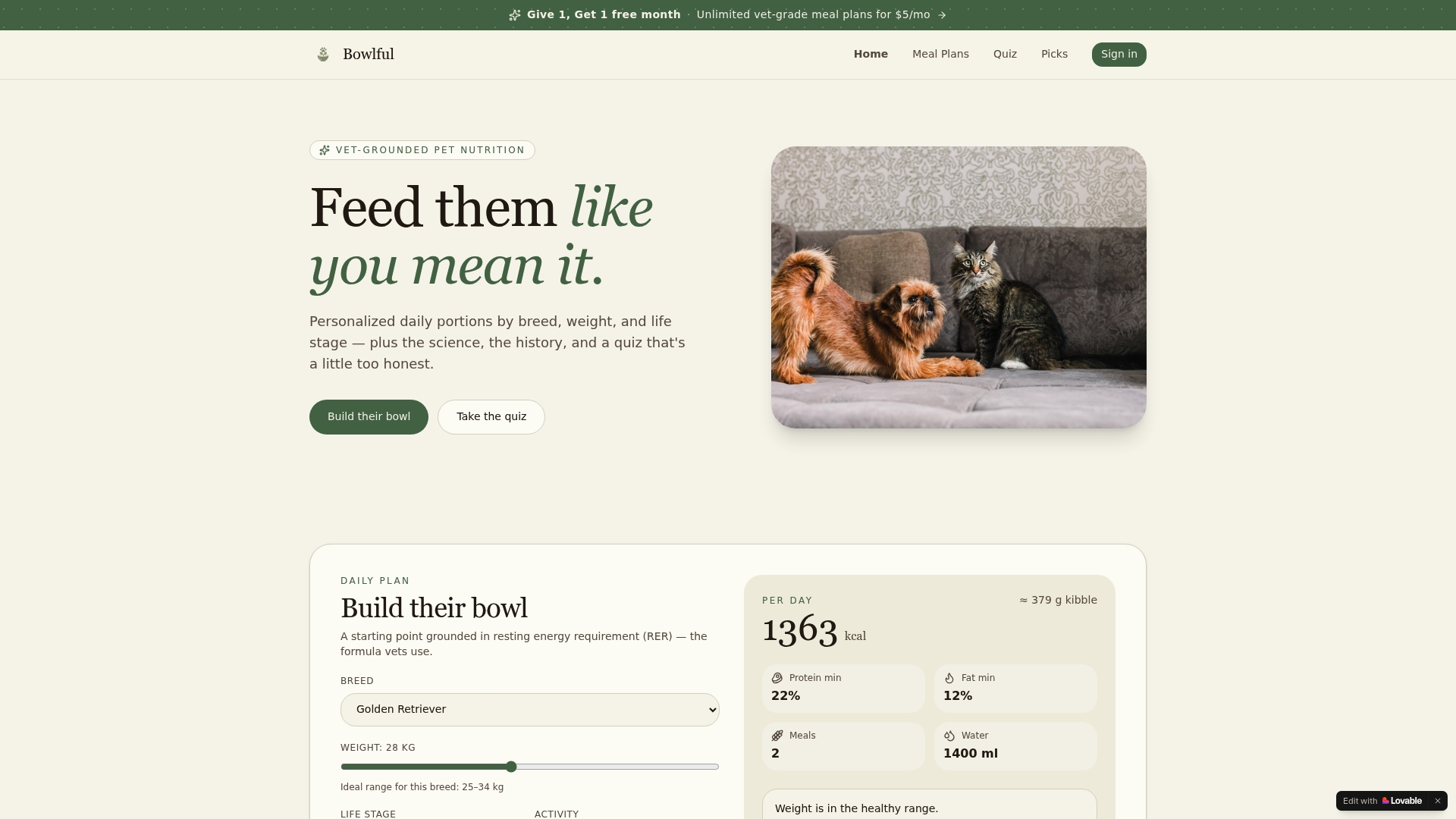
Bowlful uses the veterinary Resting Energy Requirement (RER) formula to build personalized meal plans based on your dog's breed, weight, activity level, and life stage. It is the same methodology vets use, delivered through an interactive quiz that takes minutes to complete. Whether your dog herds, hunts, or serves, Bowlful's personalized feeding plan removes the guesswork from portion sizes and meal timing. Start the quiz today and get a schedule built for the work your dog actually does.
FAQ
How many times a day should a working dog eat?
Most working dogs perform best on two to three measured meals per day. Splitting the daily ration reduces GDV risk and stabilizes energy levels better than one large meal.
Can I feed my working dog right before a training session?
No. Feed the main meal at least 4–6 hours before intense activity. Small, easily digestible snacks during rest breaks are acceptable for sessions lasting longer than two hours.
What is the best diet for a working dog?
Working dogs need a performance formula with 34–38% protein and 22–28% fat on a dry matter basis. Including omega-3 fatty acids and DHA supports both physical stamina and cognitive function and trainability.
How do I know if I'm feeding my working dog enough?
Perform a rib palpation check every two weeks. You should feel the ribs easily without pressing hard. Adjust weekly food volume based on workload patterns, not day-to-day variation.
Should I feed my working dog differently on rest days?
Yes. Reduce total calorie intake by roughly 15% on rest days while keeping meal times the same. Consistent feeding times support digestion and behavioral stability even when the workload drops.