
A border collie feeding schedule is the daily plan of meals and portions designed to meet the breed's unique nutritional needs for energy balance and long-term health. Border Collies are one of the most physically and mentally active breeds, which means their caloric and macronutrient needs shift significantly with age, weight, and activity level. Get the schedule wrong and you risk obesity, joint damage, and behavioral problems tied to blood sugar crashes. Get it right and you have a dog that performs, recovers, and lives well. This guide covers meal frequency, portion sizing, dietary composition, and how to adjust as your dog changes.
What is the optimal border collie feeding schedule by life stage?
Meal frequency is not one-size-fits-all for Border Collies. The right number of daily meals changes as your dog grows, and getting it wrong at any stage creates real health consequences.
Feeding frequency by age follows a clear pattern:
- 8–12 weeks old: Feed 3–4 small meals per day. Puppies at this stage have tiny stomachs and fast metabolisms. Spreading calories across four meals prevents hypoglycemia and supports steady growth.
- 3–6 months old: Drop to 3 meals per day. The puppy's digestive system is maturing, and three meals keep energy stable without overloading the gut.
- 6–12 months old: Move to 2–3 meals per day. Most Border Collies at this stage can handle larger portions, but splitting meals still supports energy regulation.
- Adult (1 year and older): Two meals daily is the standard. Feed half the daily amount in the morning and half in the evening.
- Senior (7 years and older): Stick with two smaller meals. Older dogs digest food more slowly, and two meals reduce the risk of bloat and post-meal lethargy.
Free feeding, meaning leaving food out all day, is the worst approach for this breed. Border Collies are prone to anxiety-driven eating, and unrestricted access to food makes portion control impossible. Single daily meals increase bloat risk and cause the large energy crashes that make Border Collies harder to manage.
Pro Tip: Set meal times at the same hours every day. Consistent border collie meal times reduce behavioral issues by preventing blood sugar dips that trigger restlessness and hyperactivity.
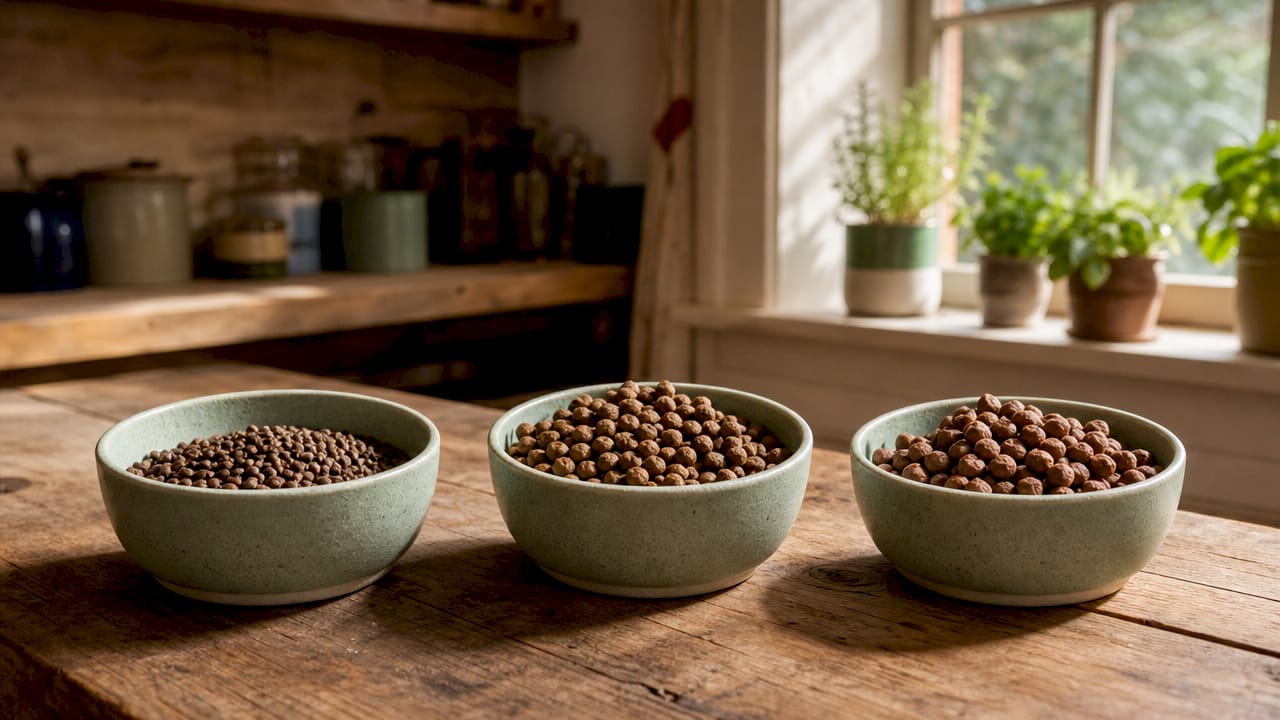
For a detailed breakdown of puppy feeding amounts at each growth stage, including exact gram ranges by week, the Bowlful puppy guide covers the full progression.
How do you calculate the right portion size for a Border Collie?
Portion sizing is where most owners go wrong. The number on the back of a food bag is a starting point, not a prescription. Caloric density varies by brand, and feeding tables assume an average dog with average activity. Your dog is neither.
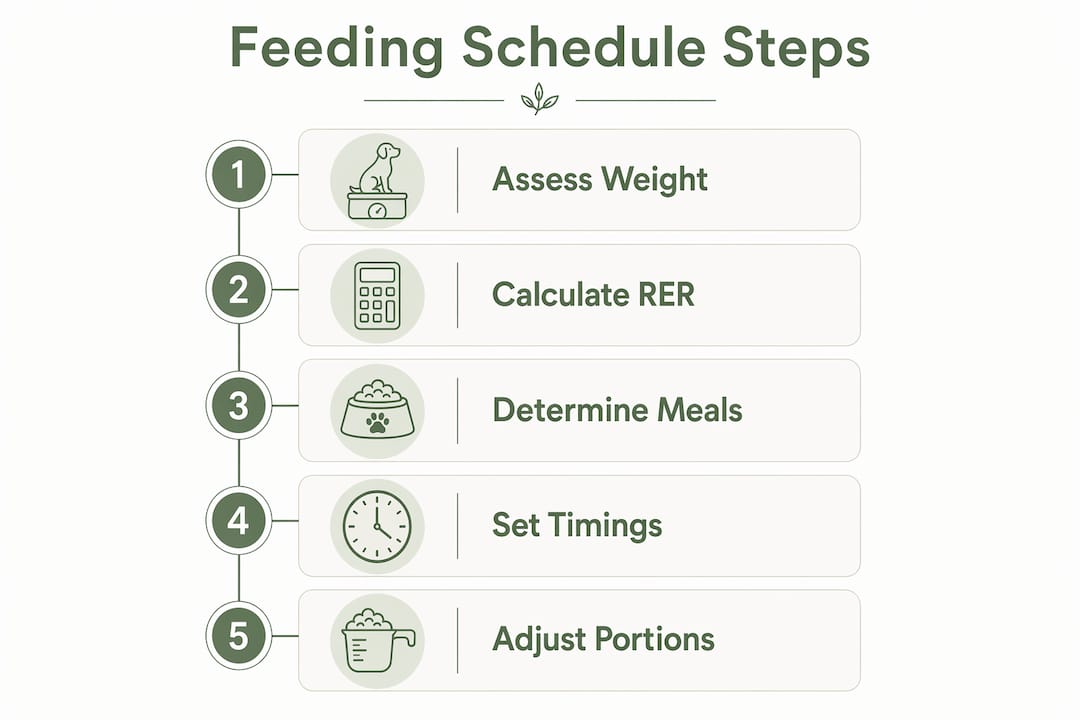
Caloric needs by activity level
Adult Border Collies need roughly 700–1,400 calories daily depending on activity level. Working or performance dogs need 20–30% more than that baseline. Senior dogs aged 7 and older typically need 600–1,100 kcal per day as their metabolism slows.
| Activity Level | Daily Caloric Range |
|---|---|
| Low activity (mostly indoor) | 700–900 kcal |
| Moderate activity (daily walks, play) | 900–1,200 kcal |
| High activity (agility, sport, herding) | 1,200–1,400 kcal |
| Working/performance dogs | 1,400+ kcal (20–30% above maintenance) |
Why measurement method matters
Volume-based measuring cups are unreliable. Kibble density varies between brands and even between bag sizes of the same product. A cup of one food can weigh 30% more than a cup of another. Weight-based measurement using a digital kitchen scale is the only way to feed consistent portions. It takes about 10 seconds per meal and eliminates the gradual overfeeding that causes slow, hard-to-notice weight gain.
Key factors to assess when setting portions:
- Current body weight: Weigh your dog monthly, not just at vet visits.
- Body condition score (BCS): You should feel your dog's ribs easily but not see them. If you cannot feel the ribs without pressing, reduce portions.
- Stool quality: Loose stools often signal overfeeding or a food that does not suit your dog. Firm, well-formed stools confirm the portion is appropriate.
- Activity changes: A Border Collie that moves from agility training to a recovery period after injury needs an immediate calorie reduction.
Pro Tip: Use a feeding schedule by weight as your baseline, then adjust up or down by 10% based on your dog's body condition score over two weeks.
What dietary composition best supports Border Collie health?
The best food for Border Collies delivers the right balance of protein, fat, and controlled calories. The breed's muscle mass and endurance demands make protein the most critical macronutrient to get right.
- Protein: The recommended range is 22–30% crude protein. Highly active and working dogs benefit from 28–30% or higher to support muscle repair and sustained output. Less active dogs do well at the lower end of that range.
- Fat: Target 12–18% fat content. Fat provides the sustained energy Border Collies need for long activity sessions. Too little fat causes coat and skin issues. Too much contributes to weight gain in dogs with moderate activity.
- Treats: Treat calories must stay under 10% of total daily intake. This is a firm limit, not a rough guideline. Border Collies in training receive frequent treats, and those calories add up fast.
- Carbohydrates: Complex carbohydrates from sources like sweet potato and brown rice provide steady energy. Avoid foods where refined grains or sugars appear in the first three ingredients.
High-protein performance diets benefit working Border Collies but cause weight gain in less active dogs if the calorie load is not matched to actual output. A dog that trains hard in summer and rests in winter needs two different feeding plans, not one year-round formula.
How do you safely transition a Border Collie to a new food or schedule?
Switching food too fast causes diarrhea, vomiting, and food refusal. A gradual transition over 7–10 days protects your dog's digestive system and makes the new food more likely to be accepted.
Follow this sequence:
- Days 1–2: Feed 75% old food and 25% new food. Mix thoroughly so the dog cannot sort out the new kibble.
- Days 3–4: Move to a 50/50 split. Watch stool quality closely. Loose stools at this stage mean the transition is moving too fast.
- Days 5–6: Shift to 75% new food and 25% old food. If stools remain firm, continue.
- Days 7–10: Feed 100% new food. If any digestive upset appears, slow down and hold at the previous ratio for two more days.
Rescue dogs coming from neglect require a different approach entirely. Refeeding neglected dogs too quickly causes refeeding syndrome, a serious metabolic complication. Start with small, frequent meals of easily digestible food over 2–3 weeks, ideally under veterinary supervision. Do not assume a rescue dog's appetite signals readiness for full portions.
The same patience applies when changing meal times. Shift feeding windows by no more than 30 minutes per day to avoid digestive disruption and anxiety-driven food guarding.
How do you monitor and adjust feeding to prevent obesity?
Obesity is the most preventable health threat facing Border Collies, and the feeding schedule is the primary tool for managing it. Every extra kilogram of body weight increases joint load by 3–4 times during physical activity. For a breed with a genetic predisposition to hip and elbow dysplasia, that math is serious.
Practical monitoring habits that work:
- Monthly weigh-ins: Track weight on a log. A slow upward trend over three months is a clear signal to reduce portions, even if the dog looks fine.
- Body condition scoring: Run your hands along the dog's ribs and spine monthly. The BCS scale runs from 1 (emaciated) to 9 (obese). A score of 4–5 is ideal for most Border Collies.
- Activity tracking: When exercise drops, calories must drop too. A dog recovering from injury or in a low-activity season needs adjusted food amounts immediately, not after weight gain appears.
- Treat accounting: Log treat calories the same way you log meal calories. Training sessions that use 20 small treats can add 100–200 kcal to a dog's day without the owner realizing it.
Avoid free feeding at every life stage. It removes your ability to monitor intake and makes early weight gain invisible until it becomes a problem requiring veterinary intervention.
Key Takeaways
A structured border collie diet plan built on measured portions, consistent meal times, and life-stage-appropriate frequency is the single most effective way to prevent obesity and protect long-term joint health.
| Point | Details |
|---|---|
| Meal frequency by life stage | Puppies need 3–4 meals daily; adults thrive on 2 meals; seniors do best with 2 smaller meals. |
| Caloric range varies widely | Adult Border Collies need 700–1,400 kcal daily; working dogs need 20–30% more. |
| Weigh food, do not cup it | A digital scale eliminates the portion drift that causes gradual, unnoticed weight gain. |
| Protein and fat targets matter | Aim for 22–30% crude protein and 12–18% fat, adjusted for your dog's actual activity level. |
| Transition food slowly | Move to any new food over 7–10 days to prevent digestive upset and food refusal. |
What I have learned from years of watching Border Collies eat
The mistake I see most often is owners trusting the bag. Food manufacturers print feeding guidelines based on average dogs at average activity. Border Collies are almost never average. I have watched owners feed the "recommended" amount and slowly watch their dog gain weight over six months because the dog's actual output was lower than the label assumed.
The second mistake is treating training treats as free calories. Border Collies are trained constantly, and those small rewards stack up. I started logging treat calories the same way I log meals, and the difference in weight management was immediate and obvious.
The third thing I have noticed is that feeding consistency changes behavior. A Border Collie on a predictable schedule is calmer, easier to train, and less prone to food-related anxiety. The schedule is not just about nutrition. It is about giving a high-drive dog a reliable structure it can count on. That predictability matters more than most owners expect.
— Robert
Bowlful's approach to personalized Border Collie nutrition
Getting the feeding plan right for a Border Collie takes more than a chart. It requires matching calories, meal frequency, and macronutrients to your specific dog's weight, age, and activity level.
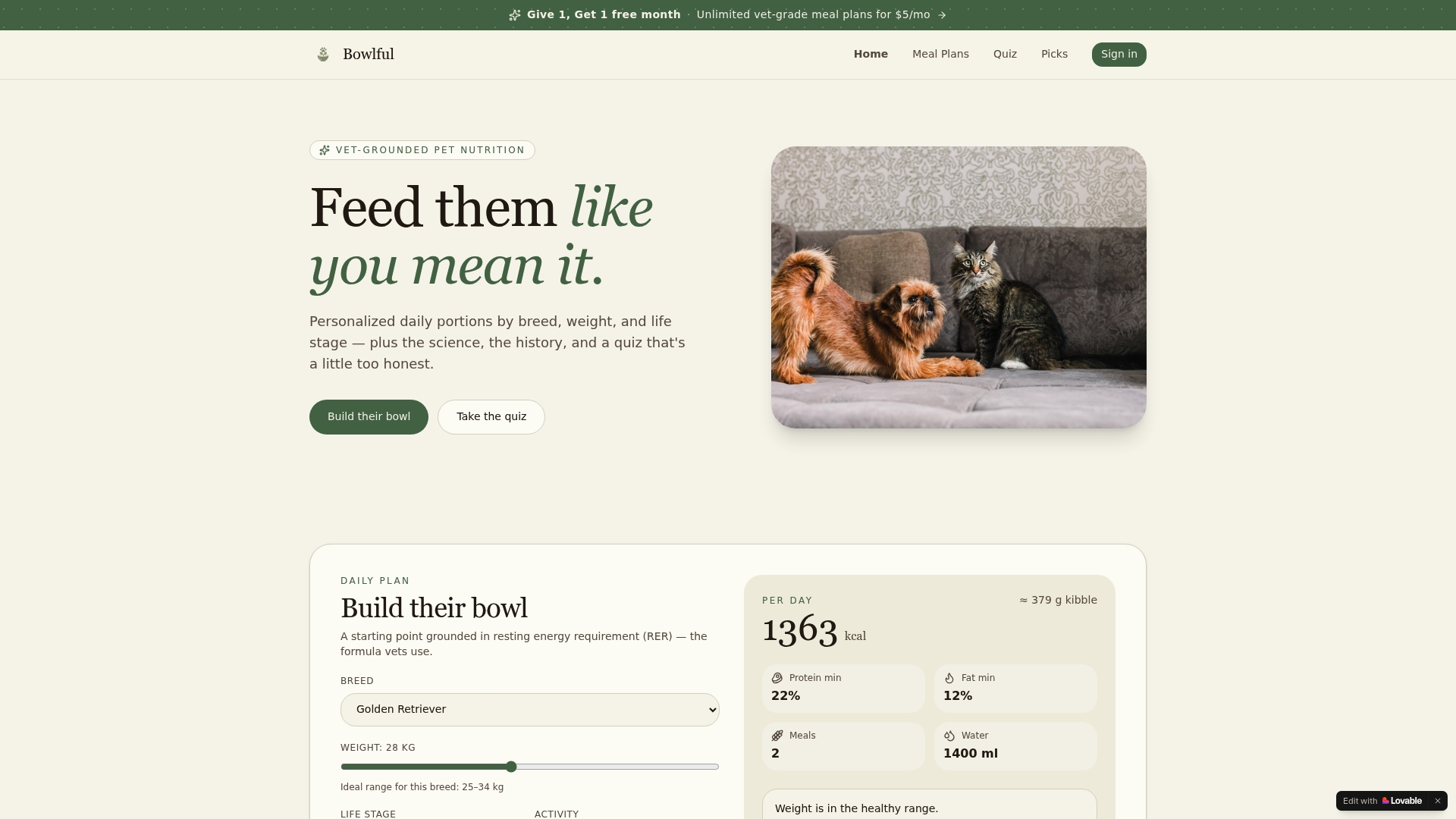
Bowlful builds personalized feeding plans using the Resting Energy Requirement (RER) formula, the same calculation veterinarians use to set clinical nutrition targets. You answer a short quiz about your dog's breed, weight, and life stage, and Bowlful generates a plan built for your dog, not a generic average. Research shows lean-fed dogs may live 1.8 years longer. A plan calibrated to your Border Collie's actual needs is the most direct way to protect that outcome.
FAQ
How many times a day should I feed my Border Collie?
Adult Border Collies do best on two meals per day, split evenly between morning and evening. Puppies under 6 months need 3–4 meals daily to support growth and stable energy.
How much food does a Border Collie need daily?
Most adult Border Collies need 700–1,400 kcal per day depending on activity level. Working dogs need 20–30% more than that baseline, while seniors aged 7 and older typically need 600–1,100 kcal.
What protein percentage should Border Collie food contain?
Look for food with 22–30% crude protein. Highly active and working Border Collies benefit from 28–30% or higher to support muscle repair and sustained endurance.
Can I free-feed my Border Collie?
Free feeding is not recommended for Border Collies. It removes portion control, makes weight monitoring impossible, and can trigger anxiety-driven overeating in a breed already prone to compulsive behaviors.
How do I know if my Border Collie is at a healthy weight?
Use the body condition score method. You should feel your dog's ribs easily without pressing hard, but not see them visually. A score of 4–5 on the 9-point BCS scale is the target for most Border Collies.