
Bored dog eating habits are defined as behavioral changes in how a dog approaches food, driven by insufficient stimulation rather than genuine dissatisfaction with the food itself. Dogs don't experience food boredom the way humans do. When your dog suddenly picks at meals, plays with kibble, or demands food constantly, the cause is almost always behavioral or environmental. Inconsistent feeding schedules, too little exercise, or anxiety are the real culprits. Enrichment tools like frozen Kongs, puzzle feeders, and strict feeding windows of 20–30 minutes are the evidence-backed starting points for fixing these patterns.
How do bored dog eating habits actually develop?
Bored dog eating habits develop when a dog's environment fails to meet its physical and mental needs. Food becomes a substitute for activity, attention, or stimulation. The dog isn't rejecting its food because the flavor is wrong. It's telling you something else is missing.
The distinction matters because the wrong response makes things worse. Owners who switch proteins or rotate flavors to "fix" perceived food boredom often create picky eaters and digestive issues instead. A dog's digestive system is built for consistency. Sudden diet changes cause gastrointestinal distress and train the dog to hold out for something better.
Dog boredom eating is the informal term for this pattern. The veterinary and behavioral term is food-related displacement behavior, where a dog redirects unmet energy or attention needs toward food. Recognizing the behavioral root is the first step toward correcting it without making the problem worse.
Does feeding routine affect dog boredom and eating behavior?
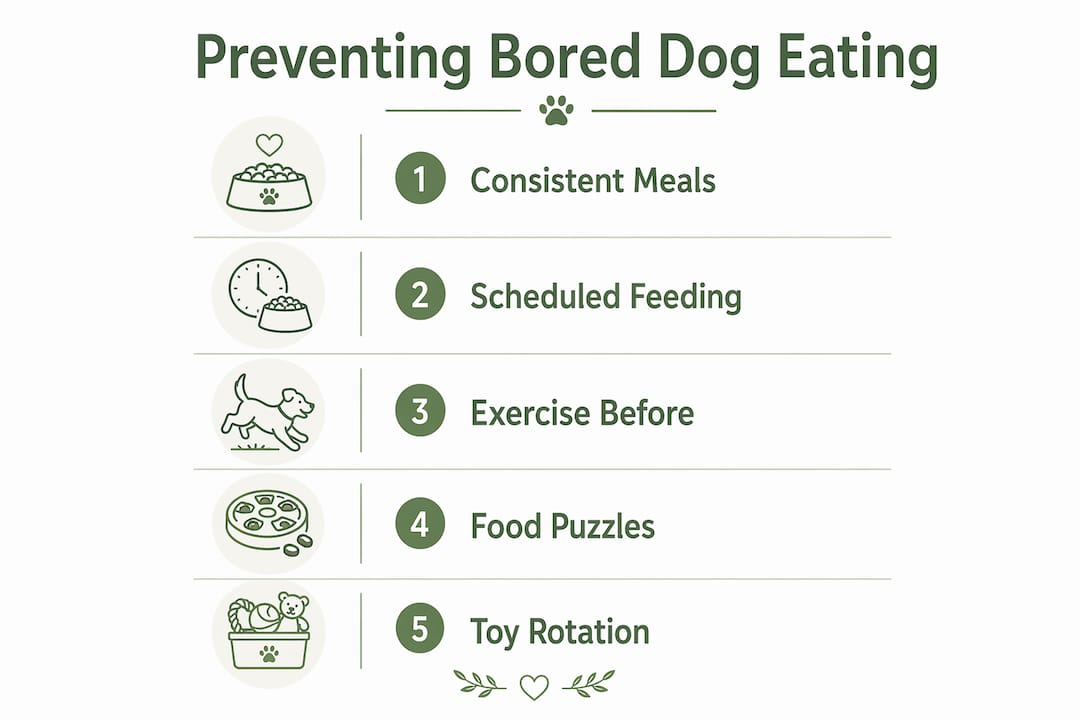
Feeding routine is the single most controllable factor in preventing unhealthy eating habits in dogs. A consistent schedule teaches your dog when to expect food, which builds appetite and reduces anxiety around meals. Without that structure, dogs become unpredictable eaters.
Free feeding, or leaving food out all day, removes the dog's incentive to eat consistently. It also makes it nearly impossible to monitor intake, which is how overweight dog eating habits quietly develop over months. A dog with constant access to food learns to graze, ignore meals, or treat the bowl as background noise.
The fix is straightforward. Offer food at set times and remove the bowl after 20–30 minutes whether the dog has eaten or not. This conditions the dog to eat when food is available rather than waiting for a better offer. Most dogs adjust within a week.
Pro Tip: Set a phone timer for every meal. When it goes off, pick up the bowl. No exceptions. Consistency is what trains the behavior, not the food itself.
Treats also factor into this equation. Treats should make up no more than 10% of a dog's daily caloric intake. Exceeding that threshold reduces appetite at mealtimes and increases obesity risk over time. If your dog is turning away from its bowl but accepting treats eagerly, the treat ratio is likely the problem.
For a practical framework on building this structure, the Bowlful guide on establishing a pet feeding routine walks through the daily mechanics in detail.
- Set two fixed meal times daily, spaced 8–12 hours apart.
- Measure portions using your dog's weight and life stage, not the bag's generic guidelines.
- Place the bowl in a calm, consistent location away from foot traffic.
- Remove the bowl after 20–30 minutes, regardless of how much was eaten.
- Do not offer treats or table scraps between meals to compensate for skipped food.
How does exercise reduce bored dog eating behaviors?
Exercise before meals aligns with a dog's natural work-then-eat cycle, which increases food motivation and reduces food play at mealtimes. A dog that has burned energy is primed to eat. A dog that has been sitting on the couch all day has no appetite drive and plenty of restless energy to redirect toward the food bowl.
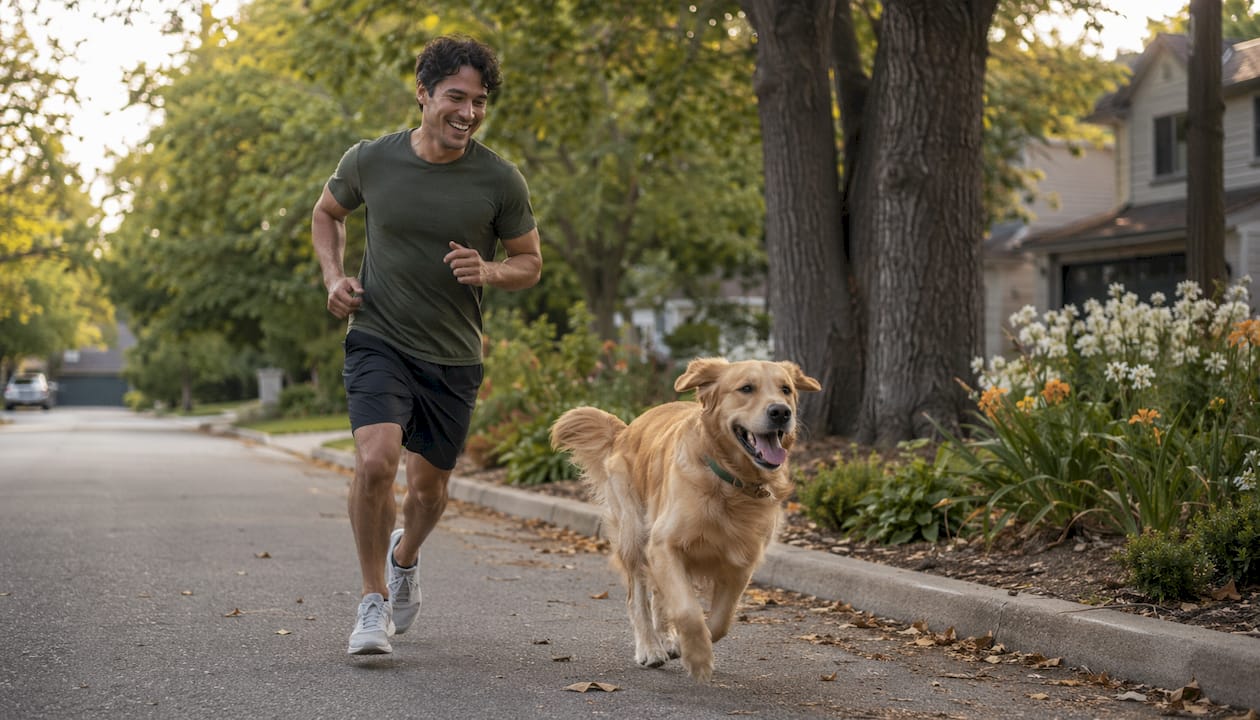
The volume of exercise matters less than the timing and intensity. Five to ten minutes of high-intensity training before a meal, such as fetch, tug, or recall drills, produces noticeably calmer behavior. That calm translates directly to better eating behavior.
Mental stimulation produces an equally powerful effect. Problem-solving and cognitive tasks tire the brain in ways that physical exercise alone cannot replicate. A dog that has worked through a puzzle toy or practiced obedience commands before dinner is mentally satisfied. That satisfaction reduces the urge to treat the food bowl as entertainment.
Here are the most effective pre-meal enrichment strategies:
- Fetch or tug sessions (5–10 minutes): High-intensity bursts burn energy fast and trigger the work-then-eat instinct.
- Obedience drills: Sit, stay, down, and recall sequences engage focus and build impulse control.
- Sniff walks: Letting a dog sniff freely on a short walk releases serotonin and endorphins, making sniff-based outings one of the most effective forms of mental enrichment available.
- Puzzle feeders before the main meal: These slow the eating process and engage the brain simultaneously.
Pro Tip: Rotate enrichment toys weekly to prevent novelty from fading. A toy your dog ignores on day five will feel new again after a week in the closet.
Why do some dogs play with or avoid their food?
Dogs that treat mealtime like playtime are almost always bored or seeking attention, not confused about what the bowl is for. The behavior starts as a bid for engagement and becomes a habit when owners respond to it. A laugh, a scolding, or even eye contact teaches the dog that food play gets a reaction.
Accidental reinforcement is the most common reason this behavior persists. The owner engages, the dog learns the pattern, and the cycle repeats at every meal. Stopping the behavior requires removing the reward entirely, which means no reaction at all when food play occurs.
Practical strategies for correcting food play and avoidance:
- Separate feeding and play areas. Feed in the kitchen, play in the yard. Physical context helps dogs distinguish between the two activities.
- Do not hand feed. Hand feeding during food avoidance reinforces the idea that refusing the bowl produces special treatment.
- Avoid table scraps entirely. Scraps teach dogs that better food is always coming if they wait long enough.
- Reduce portion size temporarily. A dog that is genuinely hungry is less likely to play with food. Slightly smaller portions for a few days can reset appetite.
- Rule out anxiety. Dogs with separation anxiety or environmental stress sometimes use food as a displacement behavior. If the pattern persists despite routine changes, a veterinary behaviorist can assess whether anxiety is the root cause.
Adjusting portion sizes is also worth examining through a caloric lens. Bowlful uses the Resting Energy Requirement (RER) formula, the same calculation veterinarians use, to determine how much a dog actually needs. Generic bag guidelines frequently overfeed, which means the dog simply isn't hungry enough to take the meal seriously.
How do food puzzles prevent boredom-related eating issues?
Food puzzles slow the eating process and engage the brain, which addresses two problems at once: overeating and boredom. A dog that has to work for its food is less likely to inhale a meal and immediately seek more. The mental effort involved also reduces restlessness after eating.
Frozen Kongs and treat-dispensing toys provide 15–30 minutes or more of sustained engagement. That duration is long enough to satisfy chewing instincts and reduce food-seeking behavior for the rest of the day. Stuffing a Kong with the dog's regular food mixed with a small amount of plain pumpkin or unsalted broth keeps the calorie count controlled while extending the activity.
Key guidelines for introducing enrichment tools safely:
- Start easy. A dog that fails repeatedly at a puzzle feeder will give up and lose interest. Begin with low-difficulty options and increase complexity gradually.
- Supervise initially. Watch for chewing on the toy itself rather than working the food out. Replace any toy that shows significant damage.
- Check part sizes. Small detachable pieces on cheap puzzle toys are a choking hazard. Choose feeders rated for your dog's size.
- Rotate weekly. Novelty drives engagement. Keeping four or five feeders in rotation and swapping them out prevents habituation.
For owners comparing feeder options, the Bowlful guide on slow feeder alternatives covers the practical differences between snuffle mats, lick mats, and dispensing balls.
Pro Tip: Freeze a stuffed Kong overnight and offer it right before you leave the house. It occupies the dog during the highest-risk window for boredom-driven behavior.
Key Takeaways
Bored dog eating habits are behavioral signals that require routine, exercise, and enrichment to correct, not diet changes or flavor rotations.
| Point | Details |
|---|---|
| Food boredom is behavioral | Dogs don't need flavor variety; changes in eating signal unmet physical or mental needs. |
| Feeding windows matter | Offer food for 20–30 minutes at set times, then remove the bowl to build consistent appetite. |
| Exercise before meals | A 5–10 minute activity session before feeding aligns with the natural work-then-eat cycle. |
| Stop reinforcing food play | Remove all reactions to mealtime play; any response, even negative, teaches the dog it works. |
| Puzzles and enrichment tools | Frozen Kongs and puzzle feeders extend mealtime engagement and reduce post-meal food seeking. |
What I've learned from watching owners fix this the wrong way
Most owners I've seen struggle with dog boredom eating make the same mistake: they treat it as a food problem. They switch proteins, add toppers, try wet food, then raw food, then back to kibble. The dog's eating behavior doesn't improve because the food was never the issue. The environment was.
The owners who get results fastest are the ones who commit to boring consistency. Same bowl, same spot, same time, same 20-minute window. That predictability is what dogs actually need. It removes the anxiety and the attention-seeking that drives food play in the first place.
What surprises most people is how quickly the behavior shifts once exercise is added before meals. A dog that has been playing tug for eight minutes before dinner is a completely different animal at the bowl. The work-then-eat instinct is real, and it's one of the most underused tools available to owners.
The one caution I'd add: if you've tightened the routine, added exercise, introduced enrichment, and the eating behavior is still erratic after two to three weeks, talk to your vet. Persistent appetite changes can signal thyroid issues, dental pain, or gastrointestinal problems that no amount of puzzle feeders will fix. Behavioral solutions work for behavioral problems. Medical problems need medical attention.
— Robert
Bowlful's approach to healthy dog feeding routines
If the strategies in this article feel like a lot to coordinate at once, Bowlful makes the starting point much clearer. The platform builds personalized feeding plans using the RER formula, the same calculation veterinarians use to determine a dog's true caloric needs based on breed, weight, and life stage.
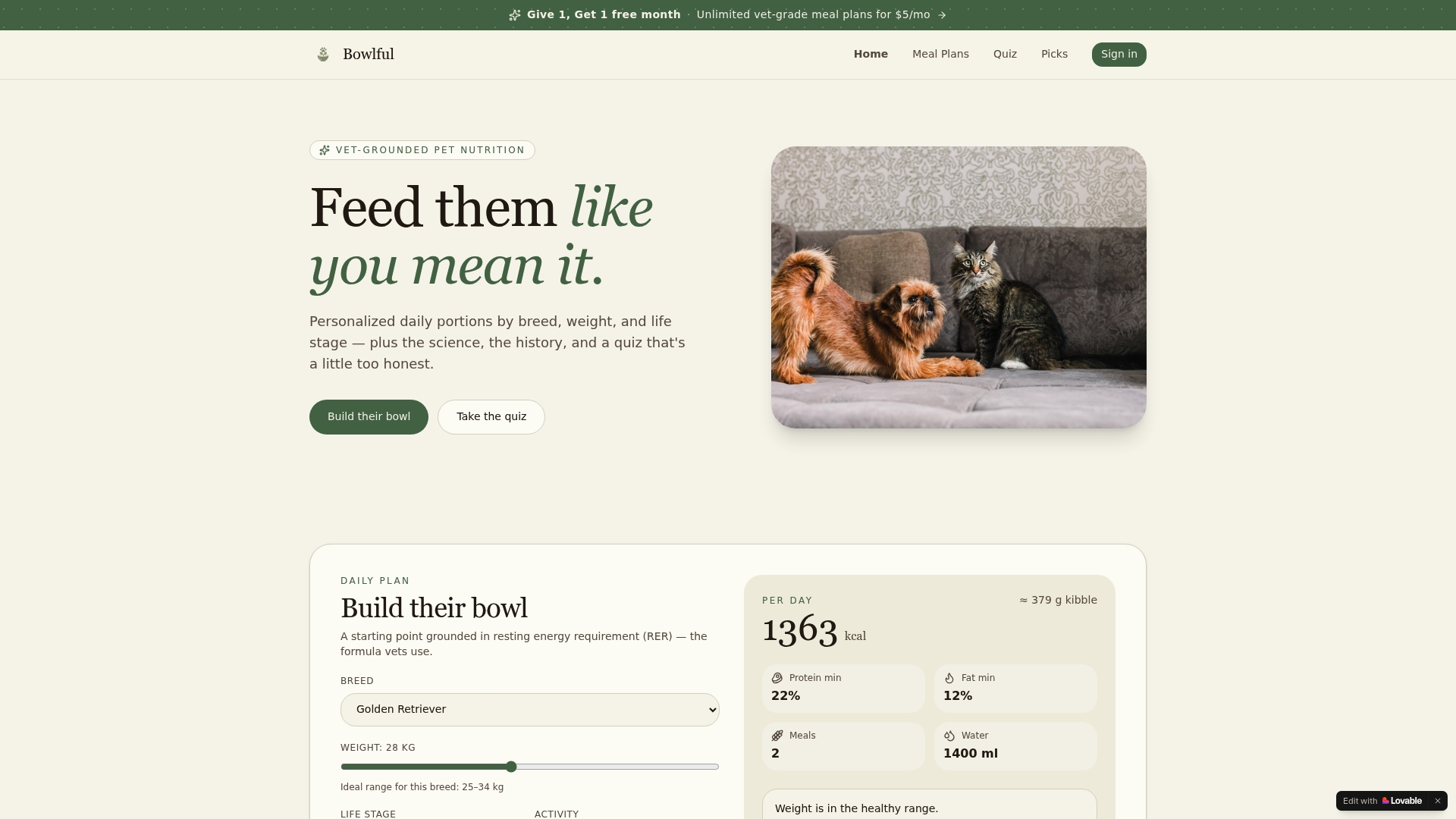
Generic bag guidelines frequently overfeed, which sets dogs up for the weight gain and appetite confusion that makes boredom-related eating worse. Bowlful's personalized meal plans give you an accurate daily calorie target and a feeding structure that supports everything covered here, from portion control to consistent meal timing. Research shows lean-fed dogs may live 1.8 years longer. Getting the portions right is where that outcome starts.
FAQ
Do dogs actually get bored of eating the same food?
Dogs do not experience food boredom the way humans do. Changing their diet frequently to add variety can cause digestive distress and create picky eating habits instead.
Why is my dog eating more than usual?
Increased eating often signals boredom, inconsistent feeding schedules, or insufficient exercise rather than genuine hunger. Rule out medical causes with your vet if the change is sudden or significant.
How do I stop my dog from playing with its food?
Remove all reactions when food play occurs and pick up the bowl after 20–30 minutes. Any engagement, including scolding, reinforces the behavior by giving the dog the attention it is seeking.
What are the best enrichment tools for bored dogs at mealtime?
Frozen Kongs, puzzle feeders, snuffle mats, and treat-dispensing balls are the most effective options. Rotate them weekly to maintain novelty and prevent the dog from losing interest.
Can overfeeding cause boredom-related eating problems?
Overfeeding reduces appetite at scheduled mealtimes, which makes dogs more likely to graze, play with food, or seek treats between meals. Accurate portion sizing based on the RER formula prevents this cycle.