
The best diet for an elderly cat is defined by high-quality protein, controlled phosphorus, and adequate moisture working together to preserve muscle mass, kidney function, and vitality. These are the core diet links for senior feline health that every cat owner needs to understand. Cats enter their senior life stage around age 7, and from that point forward, nutrition becomes the most powerful tool you have. Brands like Hill's Science Diet and Royal Canin have built entire product lines around these standards. Bowlful takes it further by calculating each cat's Resting Energy Requirement (RER) to deliver a feeding plan that fits the individual animal, not a generic life stage label.
1. Common elderly cat health diet links: what the research actually says
The most persistent myth in senior cat nutrition is that older cats need less protein. Protein restriction is outdated for healthy senior cats and causes irreversible muscle wasting when applied unnecessarily. The nutrient that actually requires restriction is phosphorus, not protein. This distinction matters because many owners and even some older feeding guides conflate the two, leading to cats that lose muscle mass while their kidneys are no better protected.
Modern research confirms that healthy senior cats need 30 to 40% protein on a dry matter basis to prevent sarcopenia, the age-related loss of muscle tissue. Sarcopenia in cats looks like a bony spine, sunken temples, and reduced activity. It is not a normal part of aging. It is a nutritional failure that can be prevented.
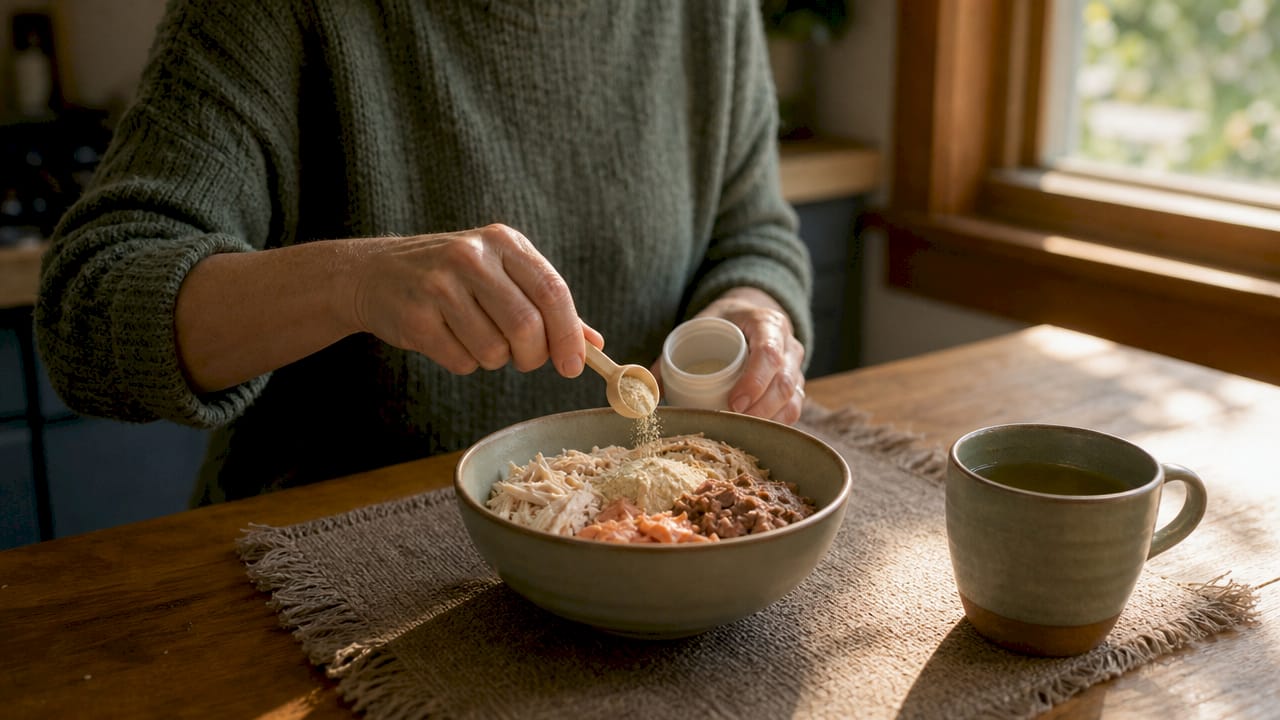
Phosphorus control is where kidney protection actually lives. Phosphorus below 0.6 to 0.8% dry matter is the target for healthy seniors, dropping to below 0.5% if early chronic kidney disease (CKD) is diagnosed at IRIS stage 1 or 2. Controlling phosphorus slows CKD progression without stripping the cat of the protein it needs to stay strong.
2. Key nutrients every aging cat needs
A well-structured senior cat diet covers six nutrient categories, each with a specific job.
- Protein (30 to 40% dry matter basis): Prevents sarcopenia and supports immune function. Choose chicken, turkey, or fish as the first ingredient.
- Fat (15 to 25% dry matter basis): Provides energy and enables absorption of fat-soluble vitamins A, D, E, and K.
- Phosphorus (below 0.6 to 0.8%): Protects kidney tubules from excess mineral load. Lower thresholds apply if CKD is present.
- Omega-3 fatty acids (EPA and DHA): Omega-3s paired with antioxidants reduce inflammation and lower the risk of cognitive decline. This is one of the most consistently supported findings in feline aging research.
- Antioxidants (vitamins E and C): Combat oxidative stress, which accelerates cellular aging in cats over 10 years old.
- B vitamins: Support nerve function and metabolic efficiency, both of which decline with age.
Water content deserves its own line. Wet food contains 75 to 80% moisture, while dry food contains roughly 10%. For a senior cat with reduced kidney reserve, that gap is clinically significant. Hydration is not optional nutrition. It is the foundation everything else sits on.
Pro Tip: Check the guaranteed analysis panel on your cat's food and convert values to dry matter basis before comparing products. The as-fed percentages on wet and dry foods are not directly comparable.
3. Which types of senior cat food best meet aging feline needs
| Food type | Key benefit | Main limitation |
|---|---|---|
| Wet/canned food | 75 to 80% moisture; supports kidneys and urinary tract | Higher cost; shorter shelf life once opened |
| Dry kibble | Convenient; some dental abrasion benefit | Only 10% moisture; increases dehydration risk in seniors |
| Prescription renal diet | Restricts phosphorus and includes omega-3s; improves CKD survival | Requires vet diagnosis and ongoing monitoring |
| Raw or home-prepared | Owner control over ingredients | High risk of nutritional imbalance without formulation expertise |
| Blended wet plus dry | Balances hydration with convenience | Requires careful calorie tracking to avoid overfeeding |
Wet food is the strongest default choice for most senior cats because hydration and kidney support outweigh the convenience of dry food. Prescription renal diets from Hill's (k/d) or Royal Canin (Renal Support) are appropriate once a veterinarian confirms CKD staging. Orijen Senior is a strong option for cats without kidney disease who need high protein density.
Raw and home-prepared diets carry real risk unless you work with a board-certified veterinary nutritionist. The American College of Veterinary Nutrition maintains a directory of specialists who can formulate balanced recipes if that route interests you.
Pro Tip: If your cat refuses wet food after years on dry kibble, mix a small amount of warm low-sodium chicken broth into the dry food as a transition step. It adds moisture and aroma without a full diet switch.
4. Feeding routines that improve appetite and nutrition intake
Senior cats eat better when feeding is adapted to their physical and sensory changes. These six adjustments make a measurable difference.
- Serve smaller, more frequent meals. Two to four small meals daily reduce digestive discomfort and prevent the blood sugar swings that affect diabetic or pre-diabetic cats.
- Warm food to body temperature. Warming food to 37°C significantly increases palatability for cats with diminished smell and taste. Cold food from the refrigerator is one of the most common reasons senior cats refuse meals.
- Use elevated feeding bowls. Cats with arthritis or cervical spine stiffness eat more comfortably when the bowl is raised 4 to 6 inches off the floor.
- Increase wet food proportion. Even replacing 30% of daily dry food calories with wet food meaningfully improves daily water intake.
- Adjust texture for dental issues. Moistening dry kibble with warm water or switching to pâté-style wet food helps cats with tooth resorption or missing teeth.
- Track muscle condition score (MCS), not just weight. MCS alongside body weight more accurately reflects nutritional status than the scale alone. A cat can maintain stable weight while losing muscle if fat is replacing lean tissue.
A consistent feeding routine also reduces anxiety in senior cats, which itself suppresses appetite. Predictability is underrated as a nutritional tool.
5. Dietary modifications for common senior cat health conditions
Different conditions require different nutritional strategies. Here is how the most common senior cat diagnoses map to specific dietary changes.
Chronic kidney disease (CKD, IRIS stages 1 to 2): Restrict phosphorus below 0.5% dry matter and add omega-3 supplementation. Individualized nutrition plans based on IRIS staging improve outcomes. Do not restrict protein at early stages. Prescription renal diets from Hill's or Royal Canin are the clinical standard here.
Arthritis: Omega-3 fatty acids, glucosamine, and chondroitin reduce joint inflammation and support cartilage integrity. Glucosamine doses for cats are typically 125 to 250 mg daily, but confirm with your vet before adding any supplement.
Diabetes mellitus: High-protein, low-carbohydrate wet food is the dietary foundation. Carbohydrates should ideally fall below 10% of calories. This approach, combined with insulin therapy when prescribed, reduces insulin resistance and supports glycemic control. Dry food is generally a poor choice for diabetic cats because of its higher carbohydrate load.
Hyperthyroidism: Iodine-restricted diets (Hill's y/d is the primary option) can manage thyroid hormone production without medication in some cats. This approach requires strict dietary compliance. Any iodine from treats or other food sources breaks the therapeutic effect.
Unintentional weight loss: Before increasing calories, rule out hyperthyroidism, diabetes, and CKD through bloodwork. Once underlying disease is addressed, senior cat weight loss strategies focus on calorie-dense, high-protein foods rather than volume feeding.
Obesity: Reduce calories while protecting protein intake. Cutting protein to reduce calories is the wrong approach. Use a lower-fat food at the same protein percentage, and track intake precisely. Bowlful's RER-based feeding calculator is built for exactly this kind of precision.
At least two vet checkups annually from age 7 onward, including bloodwork and urinalysis, are the minimum standard for catching these conditions early enough for dietary intervention to matter.
Key takeaways
Senior cat nutrition requires high protein, controlled phosphorus, and consistent hydration to prevent muscle loss, protect kidney function, and manage age-related disease.
| Point | Details |
|---|---|
| Protein stays high | Healthy seniors need 30 to 40% protein dry matter basis; restriction causes muscle wasting. |
| Phosphorus is the kidney lever | Keep phosphorus below 0.6 to 0.8% for healthy seniors, below 0.5% if CKD is present. |
| Wet food is the hydration default | Wet food delivers 75 to 80% moisture versus 10% in dry food, critical for kidney health. |
| Warm food to improve intake | Serving food at 37°C restores palatability for cats with reduced smell and taste. |
| Track MCS, not just weight | Muscle condition score detects sarcopenia before body weight changes become visible. |
What I've learned feeding elderly cats that the guidelines don't tell you
I have watched owners do everything right on paper and still lose ground with their senior cats. The most common reason is that they wait for obvious symptoms before adjusting the diet. By the time a cat looks thin, muscle loss has been progressing for months.
The second pattern I see constantly is unnecessary protein restriction. Owners read something about kidney disease and immediately switch their 9-year-old, perfectly healthy cat to a low-protein senior formula. That decision accelerates the very muscle loss they are trying to prevent. Phosphorus is the variable to control. Protein is the variable to protect.
What actually works is a nutrition assessment every six months, not just when something looks wrong. Muscle condition scoring takes 30 seconds to learn and gives you real data between vet visits. Combine that with a vet who understands current IRIS staging guidelines, and you have a system that catches problems early.
The cats I have seen thrive into their late teens share one thing: owners who treat nutrition as an ongoing practice, not a one-time decision made at the pet store.
— Robert
How Bowlful helps you feed your senior cat with precision
Managing a senior cat's diet gets complicated fast, especially when health conditions stack up and every nutrient seems to pull in a different direction.
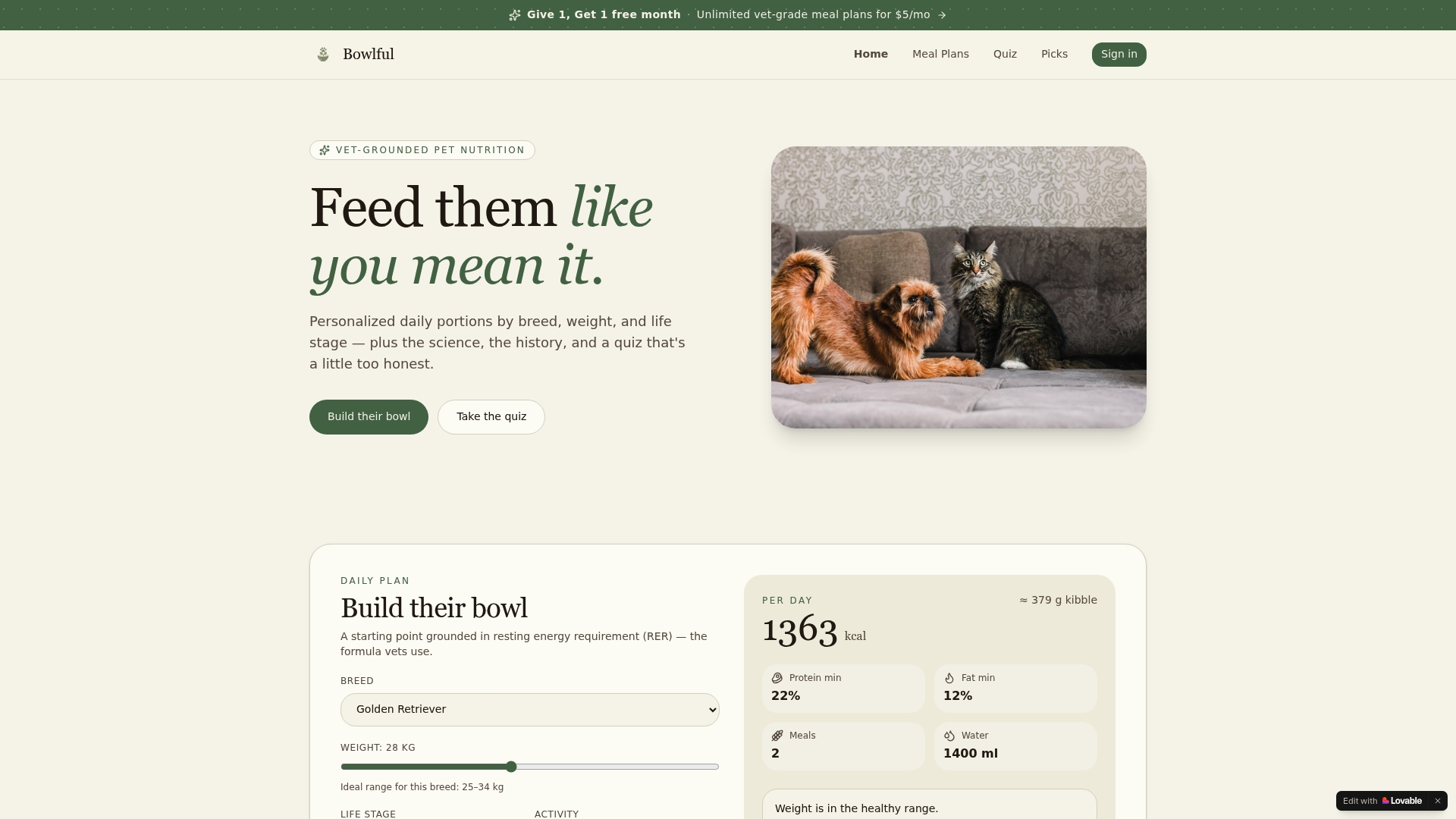
Bowlful uses the veterinarian-standard RER formula to calculate exactly how many calories your senior cat needs based on breed, weight, and life stage. The interactive quiz takes under three minutes and produces a personalized feeding plan that accounts for the specific nutritional priorities of aging cats. You can also explore Bowlful's library of vet-approved nutrition guidance and resources on reading pet food labels accurately. Start your cat's personalized plan at Bowlful.
FAQ
What protein percentage should senior cat food contain?
Healthy senior cats need 30 to 40% protein on a dry matter basis to prevent muscle loss. Protein restriction is only appropriate at advanced CKD stages, not as a general senior cat practice.
Is wet or dry food better for elderly cats?
Wet food is the stronger choice for most senior cats because it provides 75 to 80% moisture versus 10% in dry food, directly supporting kidney and urinary health.
How do I know if my senior cat is losing muscle?
Use the muscle condition score (MCS) by feeling along the spine and shoulder blades for muscle coverage. Weight alone does not detect early sarcopenia, since fat can replace lost muscle while the scale stays stable.
When should a senior cat switch to a prescription renal diet?
A veterinarian should confirm CKD staging using IRIS criteria before prescribing a renal diet. At IRIS stages 1 to 2, phosphorus restriction and omega-3 supplementation are the primary dietary interventions.
How often should an elderly cat see the vet for diet reviews?
At minimum, two comprehensive checkups per year from age 7 onward, including bloodwork and urinalysis. Diet adjustments should follow each checkup based on current health markers.