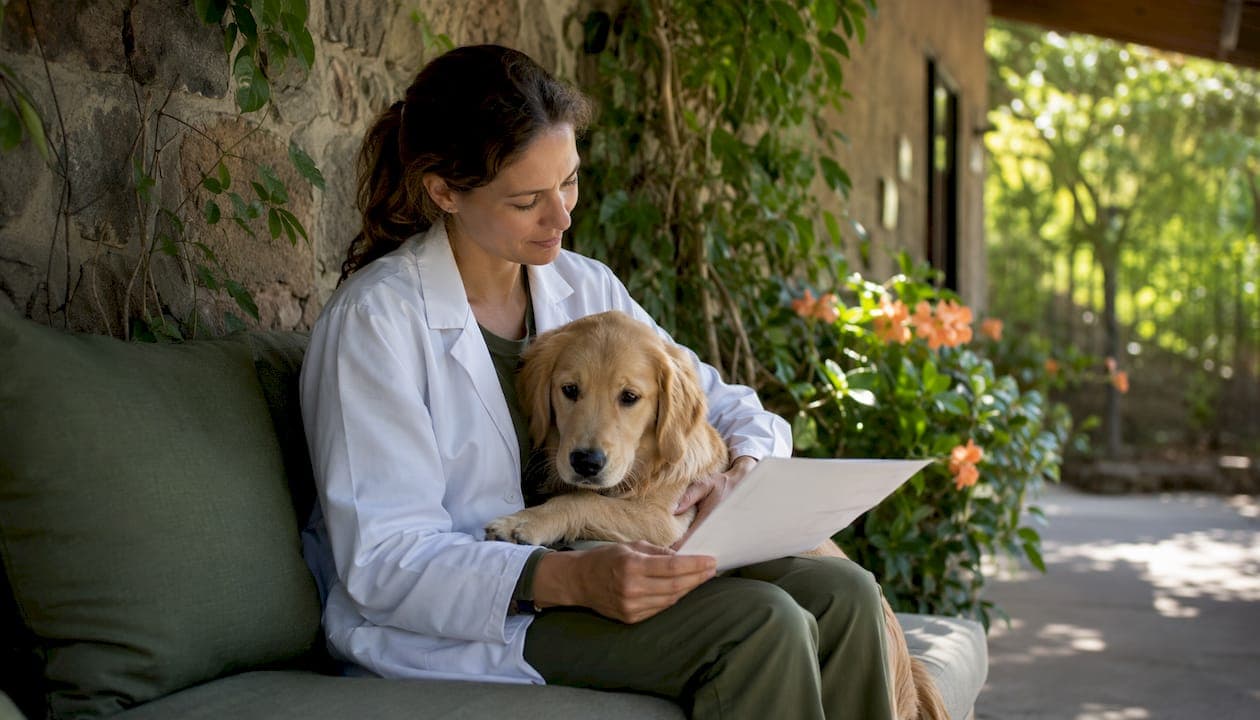
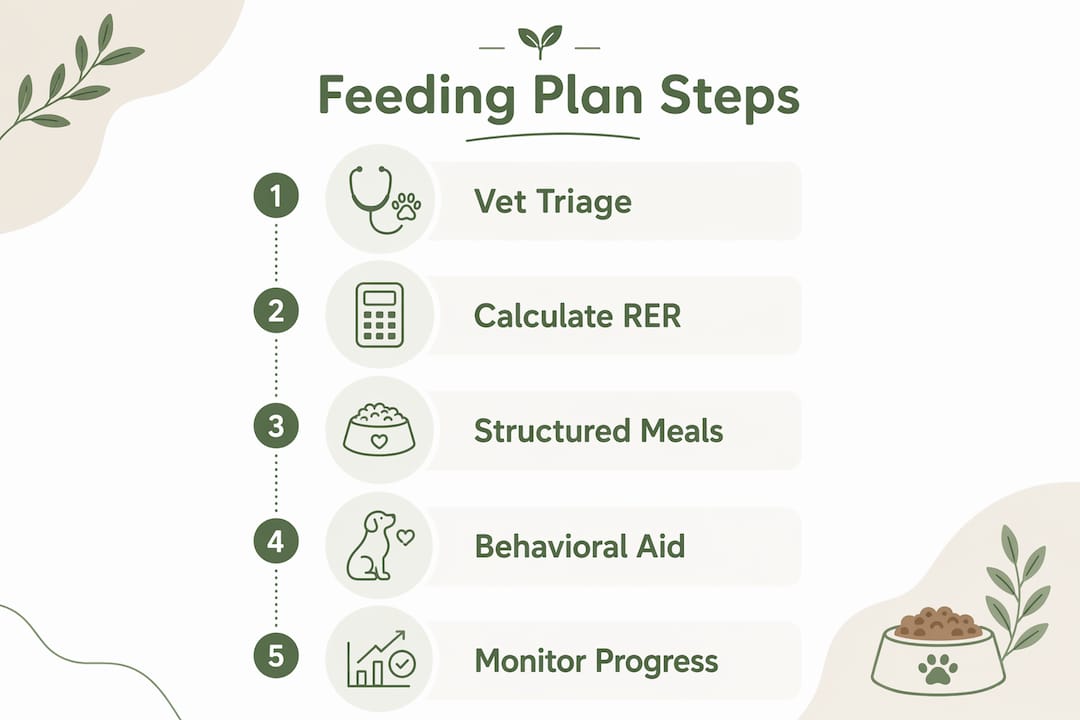
Rule out medical causes first. If your dog has stopped eating or is eating erratically, the safest immediate move is to treat it as a potential medical issue until a veterinarian says otherwise. Once pain and illness are ruled out, a Resting Energy Requirement (RER)-based feeding plan combined with behavioral supports is the most reliable path to restoring normal intake.
Your 24-hour action plan:
- Observe and document: note exactly how much your dog ate, any vomiting or diarrhea, and any recent changes in environment or routine.
- Check for red flags (listed in the next section) and call your vet if any are present.
- Hold off on new treats, food toppers, or supplements until after the vet visit.
Three evidence anchors worth bringing to your appointment: the Merck Veterinary Manual on pain as an anxiety driver, Tufts Cummings School of Veterinary Medicine on behavioral signs requiring clinical evaluation, and Bowlful's RER-based feeding templates as a starting point for a tailored nutrition plan.
Pro Tip: Take a short video of your dog's behavior around mealtimes before the vet visit. Seeing the actual behavior — pacing, sniffing and walking away, hiding — gives your vet far more to work with than a verbal description.
Table of Contents
- When should you call the vet right now?
- How anxiety typically changes what and how your dog eats
- What the science says about the gut–brain connection
- How to calculate your dog's caloric needs and build a feeding plan
- Behavioral changes that help anxious dogs eat
- Safe clinical options: supplements, medications, and when to escalate
- How to monitor progress and know when to change course
- Key Takeaways
- Why the "just try a tastier food" advice misses the point
- Bowlful's tailored feeding plans for anxious dogs
- Useful sources
When should you call the vet right now?
Some appetite changes are behavioral. Others are emergencies. The distinction matters.
Call your vet immediately if you see any of these:
- Refusal to eat for more than 24 hours, especially with lethargy or dehydration (dry gums, skin that doesn't snap back)
- Vomiting more than twice in 12 hours, or any blood in vomit or stool
- Collapse, extreme weakness, or inability to stand
- Rapid, visible weight loss over days
- Signs of pain: hunching, guarding the abdomen, crying when touched
Before your appointment, document:
- Exact timeline of appetite change (date it started, meals skipped)
- Stool frequency and appearance over the past 48 hours
- Any recent medications, vaccines, or dietary changes
- Current weight if you have a scale at home
- Environmental changes: new pet, move, schedule disruption, construction noise
The Merck Veterinary Manual notes that pain is a commonly overlooked driver of anxiety and appetite loss, and recommends medical evaluation before any behavior modification begins. A dog that appears anxious may actually be hurting.
Statistic: Around 20–25% of dogs show fearfulness of new people, dogs, and situations — making anxiety one of the most common behavioral diagnoses in companion dogs.
Pro Tip: Photograph your dog's food bowl before and after each meal for three days. A visual record of how much was actually consumed is more reliable than memory and gives your vet a concrete baseline.
How anxiety typically changes what and how your dog eats
Anxiety doesn't produce one predictable eating pattern. It produces three, and telling them apart helps you respond correctly.
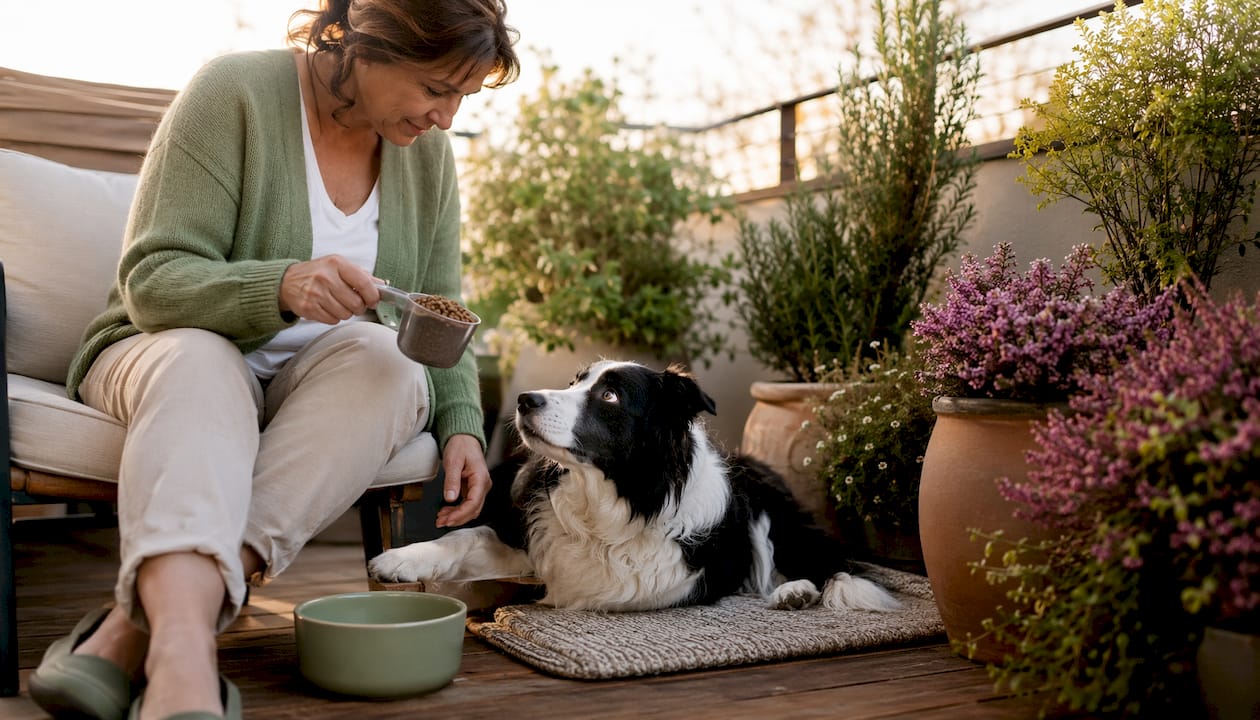
Hyporexia is the most common: reduced food intake driven by sympathetic nervous system activation. When cortisol and adrenaline flood the system, digestion becomes a low priority. A dog in this state may sniff the bowl and walk away, or eat only a few bites before stopping.
Pseudoanorexia looks like appetite loss but isn't. The dog will eat highly palatable food (warm chicken, wet food) but refuses its regular kibble. This pattern often points to dental pain, nausea, or a learned aversion rather than true anxiety, and it's a key distinction to flag for your vet.
Stress-driven polyphagia is less common but real: some dogs eat compulsively when anxious, particularly those with separation anxiety or boredom-driven habits. If your dog is eating erratically or gorging between periods of refusal, that pattern matters too.
Behavioral clues pointing toward anxiety rather than a medical cause:
- Pacing, whining, or hiding before or during meals
- Eating normally when the owner is present but refusing food when alone
- Appetite that improves dramatically in a calm, quiet environment
- Displacement behaviors (excessive licking, yawning) around the food bowl
Vomiting, fever, oral pain, or blood in stool points toward a medical cause and warrants immediate veterinary attention regardless of any anxiety history.
What the science says about the gut–brain connection
The relationship between anxiety and appetite in dogs isn't just behavioral. It's physiological, and the evidence is getting more specific.
When a dog perceives a threat, the sympathetic nervous system activates, releasing cortisol and adrenaline. Blood flow shifts away from the digestive tract. Gastric motility slows. Appetite suppression is a direct, measurable consequence of this stress response, not a choice the dog is making.
"Gut microbiota composition is related to anxiety and aggression scores in companion dogs — specific genera including Blautia were associated with anxiety classification, though causation has not yet been established." Scientific Reports, 2025
This emerging research suggests the gut–brain axis runs in both directions: anxiety alters gut function, and gut microbiome composition may in turn influence anxiety scores. The practical implication is that diet consistency matters more than most owners realize. Frequent food changes disrupt microbiota, which may compound behavioral instability.
Research note: The 2025 Scientific Reports findings on microbiome and anxiety are promising but preliminary. Probiotics and dietary fiber are reasonable adjuncts to discuss with your vet, not standalone treatments.
Pro Tip: If your vet approves a probiotic, choose one with published canine-specific strains rather than a human formulation. The microbiome research in dogs is still catching up, so vet-guided selection matters here.
How to calculate your dog's caloric needs and build a feeding plan
The RER formula is the veterinary standard for calculating a dog's baseline energy requirement:
RER = 70 × (body weight in kg)^0.75
For a 20 kg (44 lb) dog: 70 × (20)^0.75 = 70 × 9.46, giving a calculated baseline for daily energy requirement. Your vet will apply a multiplier based on neuter status, age, and activity level suited to your dog. For a detailed breakdown of RER-based feeding methodology, Bowlful's guide walks through the full calculation.
| Dog weight | RER (kcal/day) | Typical daily target (neutered adult, ×1.6) |
|---|---|---|
| 5 kg | 234 | 374 |
| 10 kg | 394 | 630 |
| 20 kg (44 lb) | 662 | 1060 |
| 30 kg | 898 | 1437 |
Sample feeding plan for an anxious 20 kg dog:
- Split daily calories across 3 smaller meals rather than 2 large ones. Smaller portions reduce the pressure of a full bowl and are easier to consume under stress.
- Warm the food slightly (body temperature, not hot) to increase palatability without adding calories.
- Use a portion of the daily ration in a food-dispensing toy or slow feeder for one meal. This converts eating into a calm, engaging activity rather than a high-stakes event.
- Log portions offered versus eaten daily for the first two weeks.
Pro Tip: Never cut calories by more than 10–15% per week when an anxious dog is underweight. Rapid restriction adds physiological stress on top of behavioral stress. Slow, steady adjustments protect both weight and mood.
Behavioral changes that help anxious dogs eat
Environment shapes eating behavior more than most owners expect. A dog that refuses food in a busy kitchen may eat readily in a quieter spot.
Set up a dedicated feeding zone:
- Choose a low-traffic area away from other pets, children, and household noise.
- Use the same bowl, same location, and same time every day. Predictability is calming. Cornell University's College of Veterinary Medicine notes that "what seems to work best is predictability" — dogs settle faster when they know what comes next.
- If you have multiple pets, feed them separately. Competition at the bowl is a significant stressor even when it looks mild.
Build a pre-meal calming ritual:
- Give a simple, familiar cue (sit or place) two minutes before placing the bowl down.
- Stay calm and neutral. Anxious hovering over the bowl communicates that mealtime is a high-stakes event.
- Remove the bowl after 15–20 minutes whether the dog ate or not. This prevents grazing anxiety and keeps meals structured.
Introduce enrichment gradually:
Start with a lick mat or snuffle mat using a small portion of the daily ration. Once the dog engages reliably, introduce a slow feeder or food-dispensing toy. The Merck Veterinary Manual recommends using food as a reinforcer to make feeding enriching and to address hyporexia tied to behavioral causes.
Pro Tip: For working breeds or high-drive dogs prone to anxiety, structured feeding with a task (nose work, a food puzzle) channels arousal productively. A working breed guide can help you match enrichment intensity to your dog's energy level.
Safe clinical options: supplements, medications, and when to escalate
Supplements are a reasonable first step when anxiety is mild and the vet has cleared medical causes.
Evidence-based options to discuss with your vet:
- Probiotics with canine-specific strains (Lactobacillus, Bifidobacterium) based on emerging microbiome research
- Dietary fiber to support gut motility and microbiota stability
- Calming supplements (L-theanine, casein hydrolysate) with modest but real evidence in dogs
When behavioral and nutritional interventions haven't produced improvement within two to four weeks, prescription options become relevant.
"Pharmacologic interventions for anxiety — including fluoxetine and other SSRIs — can cause lethargy or reduced appetite in some dogs, and may require alternative delivery or dosing strategies." PMC pharmacologic review
Commonly used medications (always vet-prescribed):
- SSRIs (fluoxetine): Long-term anxiety management; may initially reduce appetite.
- Trazodone: Situational anxiety; generally well tolerated.
- Mirtazapine: Appetite stimulant with anti-nausea properties; useful when weight loss is a concern.
- Capromorelin (Entyce): FDA-approved appetite stimulant for dogs; used when appetite loss is medically significant.
Escalate to a veterinary behaviorist when: behavioral and nutritional interventions have failed after four weeks, anxiety is worsening, pain has not been fully ruled out, or the dog is losing weight despite intervention.
Pro Tip: Ask your vet specifically about mirtazapine if your dog has lost more than 5–10% of body weight. It addresses both appetite suppression and nausea simultaneously, which matters when stress has disrupted gut motility.
How to monitor progress and know when to change course
Tracking doesn't need to be complicated. A simple daily log covers what matters.
Monitor daily:
- Grams or cups offered versus consumed at each meal
- Body weight (weekly, same scale, same time of day)
- Stool frequency and consistency (Bristol scale or simple firm/soft/loose)
- Hydration (gum color, skin turgor)
- Behavioral notes: pacing, hiding, engagement with enrichment
| Timeframe | What to watch | Action if no improvement |
|---|---|---|
| Day 1–3 | Acute red flags, hydration, vomiting | Call vet immediately if red flags appear |
| Day 4 | Appetite trend, stool quality | Contact vet if no improvement in intake |
| Week 2–4 | Weight stability, behavioral response | Reassess feeding plan; consider behavioral consult |
| Week 6 | Medication effect (if prescribed) | Follow up with vet; adjust dose or switch |
Cost note: A standard veterinary wellness visit in the U.S. typically runs $50–$250 depending on location and whether bloodwork is included. Behavioral consultations with a board-certified veterinary behaviorist generally range from $200–$500 for an initial appointment.
Change the plan if: weight continues to drop after two weeks of structured feeding, vomiting or diarrhea persists, new pain signs appear, or anxiety behaviors are intensifying rather than stabilizing.
Key Takeaways
Anxiety-driven appetite changes in dogs require medical triage first, then a structured RER-based feeding plan and behavioral supports before any supplement or medication is considered.
| Point | Details |
|---|---|
| Vet triage comes first | Rule out pain and illness before attributing appetite loss to anxiety. |
| Use the RER formula | Calculate baseline calories (70 × kg^0.75) and adjust with your vet for age, neuter status, and activity. |
| Environment shapes eating | A quiet, consistent feeding zone reduces mealtime stress and improves intake. |
| Monitor with a timeline | Track weight, intake, and stool daily; reassess with your vet at Day 4 and Week 2–4. |
| Bowlful's approach | Bowlful provides RER-based, personalized feeding plans built around your dog's breed, weight, and life stage. |
Why the "just try a tastier food" advice misses the point
The most common piece of advice anxious-dog owners receive is to switch to a more palatable food. It's not wrong, exactly. But it skips the part that actually matters.
Palatability tricks can temporarily mask a dog's refusal to eat. They don't address why the dog stopped eating. And when the underlying driver is pain, that masking is genuinely dangerous. A dog that starts eating again because you added warm broth to the bowl may still have an undiagnosed condition that's getting worse.
Bowlful's approach starts from the opposite direction: calculate what the dog actually needs calorically using the RER formula, rule out medical causes with a vet, and then build a feeding plan that accounts for behavioral state, life stage, and breed. The interactive quiz gathers the specifics — current weight, appetite history, activity level — and produces a plan that a vet can review and refine. That's a different category of help than "try wet food."
Bowlful's tailored feeding plans for anxious dogs
Anxious dogs don't need a generic feeding schedule. They need a plan built around their actual caloric requirements, behavioral triggers, and life stage.
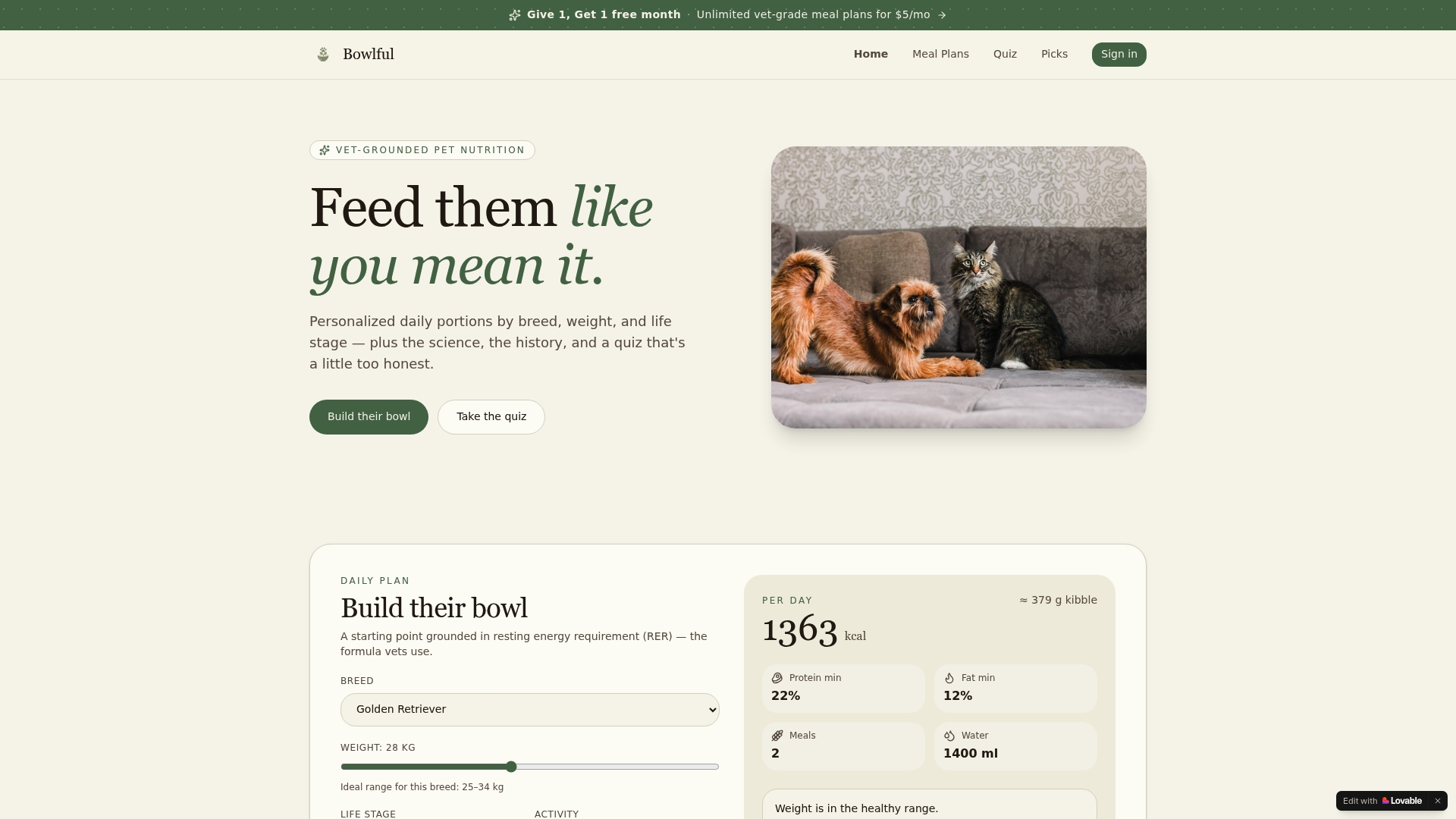
Bowlful uses the RER formula to calculate your dog's precise energy needs, then layers in meal frequency, portion size, and palatability strategies suited to dogs managing stress. The process starts with a short quiz: you'll want your dog's current weight, a rough appetite timeline, and any vet notes you already have. From there, Bowlful generates a personalized plan you can bring directly to your veterinarian for review and adjustment.
Take the quiz at bowlful.org and get a feeding plan your vet can actually work with.
Useful sources
The following sources were cited in this article. For vet visits, prioritize the clinical and veterinary school sources. The microbiome research is emerging and worth discussing with your vet, not acting on independently.
- Anxiety in Dogs | Tufts Cummings School of Veterinary Medicine
- Behavior Problems of Dogs | Merck Veterinary Manual
- Gut microbiota composition is related to anxiety and aggression scores in companion dogs | Scientific Reports, 2025
- Why Is My Dog Not Eating? Causes and What To Do | PetMD
- Dog Anxiety: Signs, Causes, and Treatment | PetMD
- Pharmacologic considerations for canine behavioral medications | PMC
- Anxious behavior: How to help your dog cope | Cornell University College of Veterinary Medicine
- How Stress and Anxiety Can Affect a Dog's Appetite | HealthyDogsMeals
This article is general information, not veterinary advice. Confirm current guidance with your veterinarian for your dog's specific situation.