
A cavoodle feeding guide is defined as a structured plan covering portion sizes, meal frequency, and nutrient requirements tailored to a Cavoodle's breed size, age, and activity level. Cavoodles are a Cavalier King Charles Spaniel and Poodle cross, which means they inherit the Cavalier's sensitive digestion and the Poodle's lean, active build. Getting nutrition right from puppyhood through senior years directly affects their coat quality, joint health, and lifespan. Research shows that lean-fed pets may live up to 1.8 years longer than overfed ones. This guide gives you the practical framework to feed your Cavoodle with confidence at every stage.
What does a cavoodle feeding guide recommend by age and size?
Feeding frequency and portion size change significantly as a Cavoodle grows. Puppies need more meals per day to support rapid development, while adults and seniors do well on a consistent two-meal schedule.
For adult Toy Cavoodles weighing 5–7 kg, daily food amounts sit at 1/2 to 3/4 cup split across two meals. Mini Cavoodles at 7–10 kg need 3/4 to 1 cup daily, also divided into two meals. These figures assume a standard premium dry kibble and a moderately active dog. A very active Cavoodle who runs and plays daily may need 10–15% more. A couch-loving dog needs the lower end of the range.
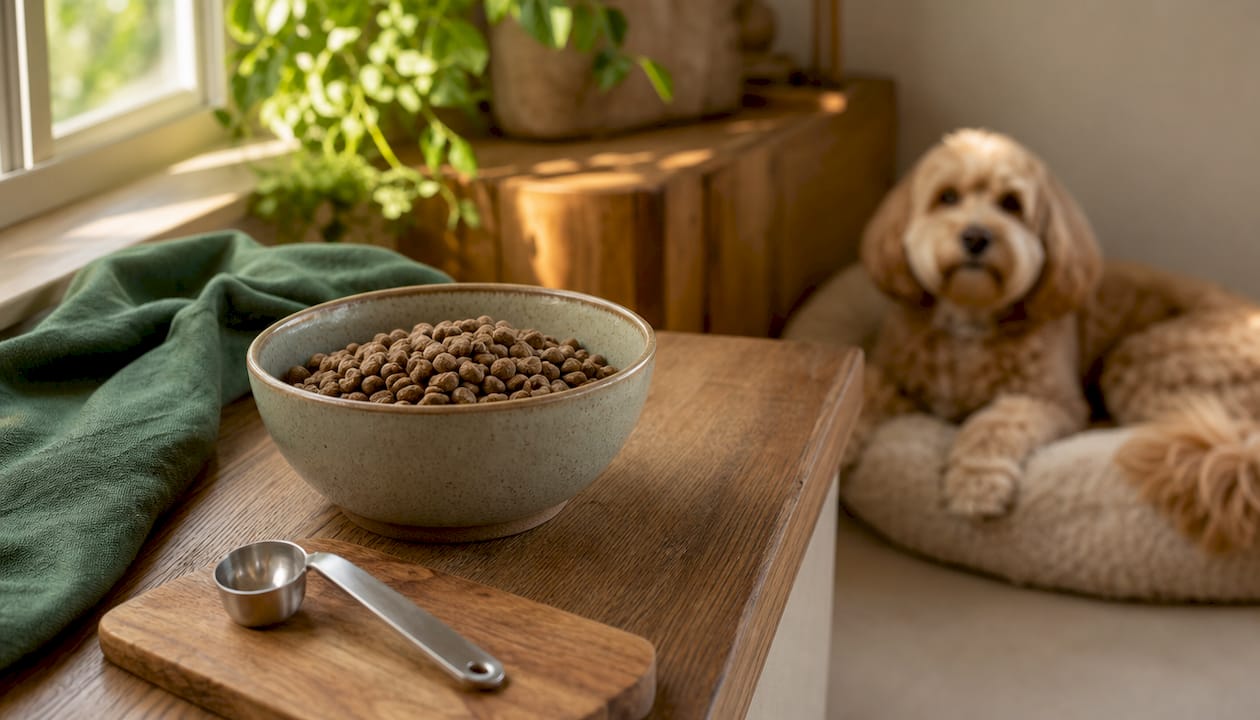
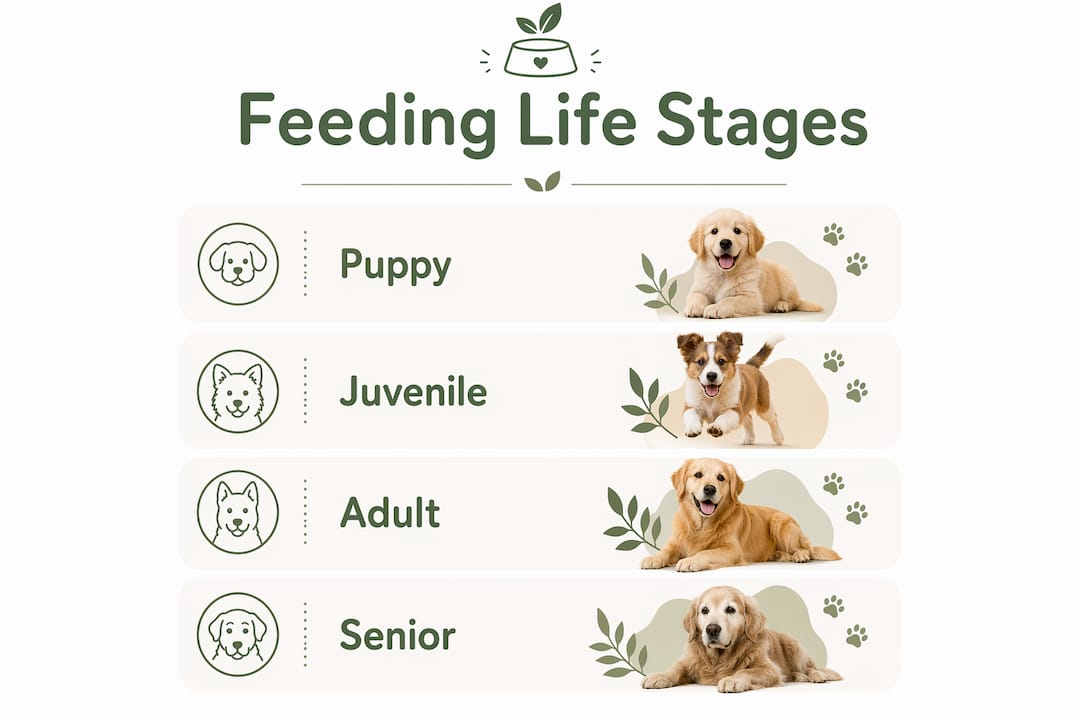
The table below summarizes the recommended schedule by age and size.
| Life stage | Age range | Meals per day | Toy Cavoodle (5–7 kg) | Mini Cavoodle (7–10 kg) |
|---|---|---|---|---|
| Young puppy | 8–12 weeks | 4 | 1/4 cup per meal | 1/3 cup per meal |
| Older puppy | 3–6 months | 3 | 1/3 cup per meal | 1/2 cup per meal |
| Junior | 6–12 months | 3 | 1/2 cup per meal | 2/3 cup per meal |
| Adult | 1–7 years | 2 | 1/2–3/4 cup daily total | 3/4–1 cup daily total |
| Senior | 7+ years | 2 | Reduce by 10–15% | Reduce by 10–15% |
Reducing meal frequency gradually from four to two meals mirrors how a Cavoodle's metabolism slows as it matures. Dropping meals too fast can cause hunger-driven gulping, which strains a sensitive stomach.
Pro Tip: Check your Cavoodle's body condition score monthly. Run your fingers along the ribs. You should feel them easily but not see them. If ribs are hard to find, cut portions by 10%. If they're visible, add a little more.
What are the best food types for Cavoodle dietary needs?
The best food for Cavoodles delivers high-quality animal protein, supports sensitive digestion, and includes key nutrients for heart and coat health. No single food format works for every dog, but understanding the options helps you choose wisely.
Premium dry kibble
Kibble designed for small breeds is the most practical daily option. Its texture provides a mechanical cleaning effect on teeth, which matters for Cavoodles prone to dental plaque. Choose a kibble where a named protein source, such as chicken, lamb, or salmon, appears as the first ingredient. Avoid formulas with vague labels like "meat meal" or "animal by-product" as the primary protein.
Fresh and gently cooked food
Fresh, gently cooked meals visibly improve coat luster and skin health in Cavoodles within 4–8 weeks, outperforming many dry food options. This format also increases water intake naturally, which supports joint health and digestion. The trade-off is cost and preparation time.
Mixed feeding
Mixed feeding combining kibble and fresh food is the most effective modern strategy for Cavoodles. It balances the dental benefits of kibble with the palatability and gut health benefits of fresh food, including prebiotics and probiotics. A common approach is kibble as the base meal with a tablespoon or two of fresh food mixed in.
Raw diets and wet food
Raw diets can work but require careful formulation to avoid nutritional gaps. Wet food alone is not ideal. Feeding exclusively soft or wet food can accelerate dental plaque buildup compared to kibble. If you use wet food, pair it with kibble or add regular tooth brushing.
Key nutrients to prioritize
- Taurine and L-carnitine: Vital for Cavoodle heart health, especially given the Cavalier's genetic predisposition to cardiac issues
- Omega-3 fatty acids: Support skin, coat, and joint health; found in fish, flaxseed, and fish oil supplements
- High-quality animal protein: Chicken, lamb, and fish are digestible sources that suit sensitive stomachs
- Prebiotics and probiotics: Support gut microbiome balance, reducing the risk of loose stools
- Complex carbohydrates: Sweet potato and brown rice provide steady energy without spiking blood sugar
Veterinary guidance cautions against grain-free diets unless a confirmed grain allergy exists. Grain-free formulas have been linked to taurine deficiency in some breeds. For senior Cavoodles, look for foods that also include glucosamine and chondroitin for joint support in aging dogs.
Pro Tip: Favor foods designed specifically for small breeds. They contain smaller kibble sizes, higher caloric density per cup, and nutrient ratios calibrated for a smaller body. Check that the label lists ingredient transparency, meaning every protein and carbohydrate source is named.
How do you transition a Cavoodle to new food safely?
A gradual transition over 7–10 days between foods prevents digestive upset in Cavoodles. Abrupt changes are the most common cause of vomiting, loose stools, and food refusal in this breed.
Follow this transition schedule:
- Days 1–2: Feed 75% old food and 25% new food mixed together.
- Days 3–4: Move to 50% old and 50% new.
- Days 5–6: Shift to 25% old and 75% new.
- Days 7–10: Serve 100% new food and monitor stool consistency for two more days.
If loose stools appear at any stage, hold at that ratio for an extra two days before moving forward. Do not rush the process.
Common feeding challenges and how to handle them
- Fussy eating: Cavoodles sometimes refuse food after a single bad experience. Warm the food slightly to increase aroma before assuming a full diet change is needed.
- Allergies: Skin itching, ear infections, and chronic loose stools after eating often signal a food sensitivity. Common culprits include beef, dairy, and wheat. An elimination diet under veterinary supervision is the most reliable diagnostic tool.
- Low water intake: Cavoodles fed exclusively dry kibble often drink too little water. Mixing warm water into kibble or adding fresh food increases hydration, which protects joints and digestion.
- Dental health: Brush your Cavoodle's teeth at least three times per week. Dental chews and kibble texture help, but they do not replace brushing.
Foods to avoid entirely include chocolate, grapes, raisins, onions, garlic, xylitol, macadamia nuts, and cooked bones. These are toxic to dogs regardless of breed.
Frequent diet changes without veterinary input often worsen sensitive digestion in Cavoodles. If your dog refuses two or three different foods in a row, consult your vet before trying another brand.
How do you monitor a Cavoodle's health through feeding?
Body condition monitoring is the most reliable way to know if your Cavoodle's diet is working. Strict adherence to a feeding chart without body condition checks risks overfeeding, which leads to obesity and joint strain. Ribs should be easily felt but not visible. A visible waist when viewed from above is a good sign.
Activity level changes require feeding adjustments. A Cavoodle recovering from surgery or spending a week indoors needs fewer calories. A dog that starts agility training or longer daily walks needs more. Adjust portions in 10% increments and reassess after two weeks.
The table below summarizes how feeding adapts across life stages and activity levels.
| Life stage | Activity level | Key adjustment | Supplement focus |
|---|---|---|---|
| Puppy | High | More meals, smaller portions | DHA, calcium, phosphorus |
| Adult (active) | High | Upper end of portion range | Omega-3s, probiotics |
| Adult (low activity) | Low | Lower end of portion range | Fiber, joint support |
| Senior | Moderate | Reduce calories by 10–15% | Glucosamine, taurine |
Coat and skin condition are reliable nutrition indicators. A dull coat, flaky skin, or persistent scratching often signals a deficiency in omega-3 fatty acids or protein quality. Switching to a food with a named fish source or adding a fish oil supplement typically shows results within four to six weeks.
Consistent feeding times also benefit digestion. Feeding at the same times each day regulates stomach acid production and reduces the risk of bloating. A reliable feeding routine also makes it easier to spot early signs of illness, since a dog that skips a regular meal is signaling something worth noticing.
For puppies, the essential nutrients for healthy growth include DHA for brain development, calcium and phosphorus for bone density, and adequate protein for muscle formation. These needs are distinct from adult requirements and justify a puppy-specific formula until 12 months of age.
Key Takeaways
A Cavoodle's long-term health depends on age-appropriate portions, nutrient-rich food, consistent meal timing, and regular body condition checks rather than rigid chart adherence alone.
| Point | Details |
|---|---|
| Portion size by size and age | Toy Cavoodles need 1/2–3/4 cup daily; Mini Cavoodles need 3/4–1 cup, both split into two adult meals. |
| Mixed feeding is most effective | Combining kibble and fresh food balances dental health, palatability, and gut support. |
| Transition food gradually | Use a 7–10 day transition to prevent digestive upset when switching foods. |
| Monitor body condition monthly | Feel for ribs and check for a visible waist; adjust portions in 10% increments as needed. |
| Key nutrients to prioritize | Taurine, L-carnitine, and omega-3 fatty acids are non-negotiable for heart and coat health. |
What I've learned from feeding Cavoodles the right way
The biggest mistake I see Cavoodle owners make is chasing the "best" brand instead of watching their actual dog. I've spoken with owners who switched foods four times in three months because they read a new review, and every switch made their dog's stomach worse. The research backs this up. Frequent diet changes without veterinary input consistently worsen sensitive digestion in this breed.
What actually works is simpler than most people expect. Pick a food your Cavoodle digests well, eats willingly, and thrives on. Then stay consistent. The coat tells you more than any ingredient label. When I started adding a small amount of gently cooked fish to a client's Cavoodle's kibble, the coat improvement within six weeks was visible to anyone in the room.
Hydration is the other thing owners underestimate. A Cavoodle eating only dry kibble is almost certainly not drinking enough water. Mixing warm water into the bowl at mealtimes is the simplest fix, and it costs nothing. I've seen it resolve mild constipation and improve energy levels within days.
My honest advice: spend less time reading brand comparisons and more time learning your dog's body condition score. That number tells you whether the food is working. Everything else is secondary.
— Robert
Bowlful's approach to personalized Cavoodle nutrition
Feeding a Cavoodle well means going beyond generic portion charts. Every dog has a different weight, activity level, and life stage, and those variables change the math significantly.
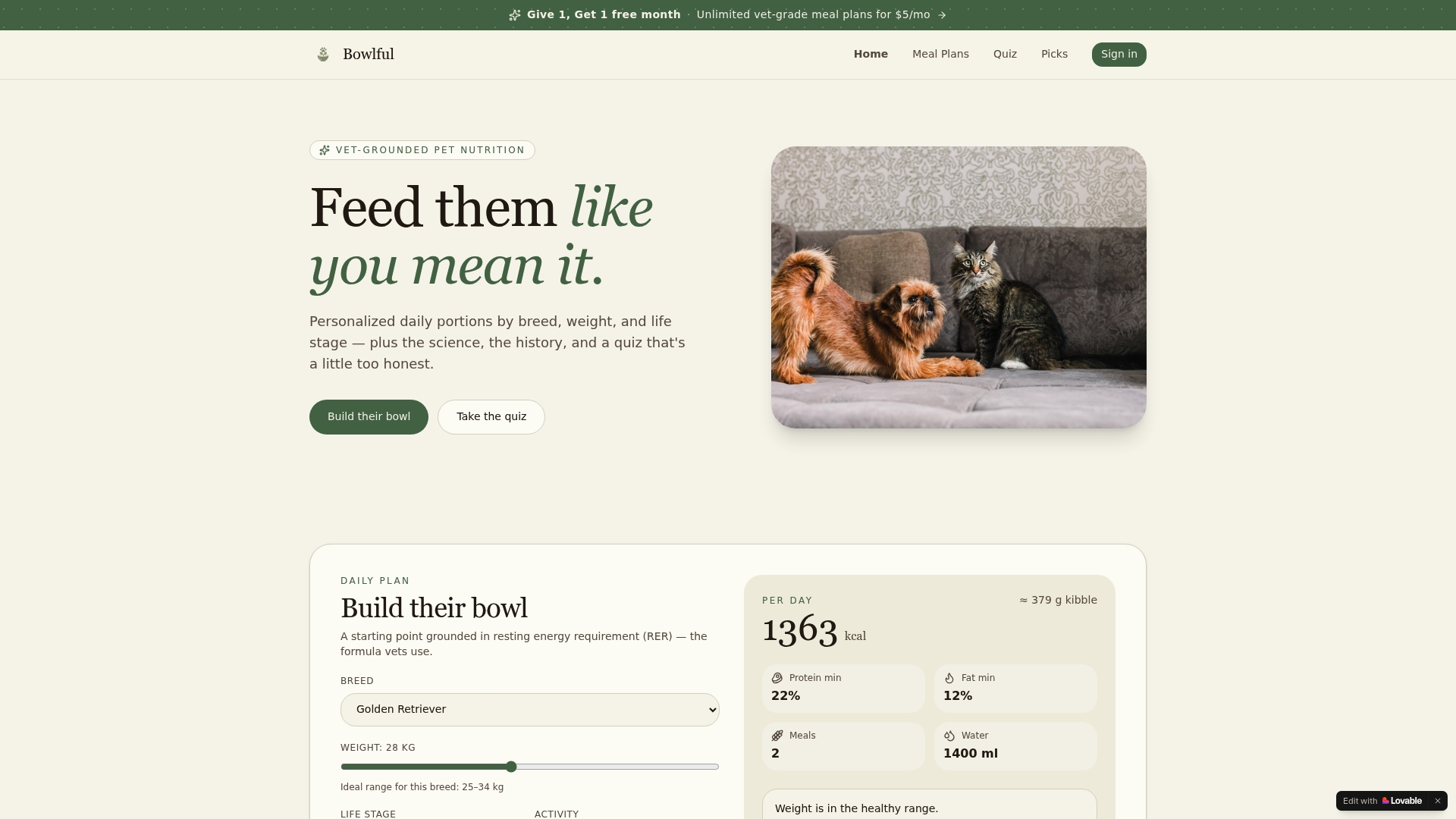
Bowlful builds personalized feeding plans using the Resting Energy Requirement (RER) formula, the same method veterinarians use to calculate precise caloric needs. You answer a short quiz about your Cavoodle's breed, weight, age, and activity level, and Bowlful generates a tailored meal plan. Studies show that lean-fed dogs may live up to 1.8 years longer than overfed ones. Getting the numbers right from the start is the most direct investment you can make in your Cavoodle's health and longevity.
FAQ
How many times a day should I feed my Cavoodle?
Adult Cavoodles do best on two meals per day, morning and evening. Puppies under six months need three to four smaller meals daily to support growth and maintain stable blood sugar.
What is the best food for Cavoodles with sensitive stomachs?
A premium small-breed kibble with a named protein source as the first ingredient, combined with a small amount of fresh or gently cooked food, suits most Cavoodles with sensitive digestion. Avoid frequent brand switching, which often worsens stomach sensitivity.
Can Cavoodles eat homemade food?
Homemade food for Cavoodles can work well when it includes high-quality protein, complex carbohydrates, and essential fats. Consult a veterinarian or canine nutritionist to confirm the recipe meets all nutrient requirements before making it a primary diet.
How do I know if my Cavoodle is eating the right amount?
Run your fingers along your Cavoodle's ribs monthly. You should feel them easily without pressing hard, but they should not be visible. A visible waist from above is another sign of healthy body condition.
Are grain-free diets safe for Cavoodles?
Grain-free diets are not recommended unless a confirmed grain allergy exists. Veterinary guidance links grain-free formulas to taurine deficiency in some breeds, which raises cardiac risk, particularly relevant given the Cavalier's heart health history.